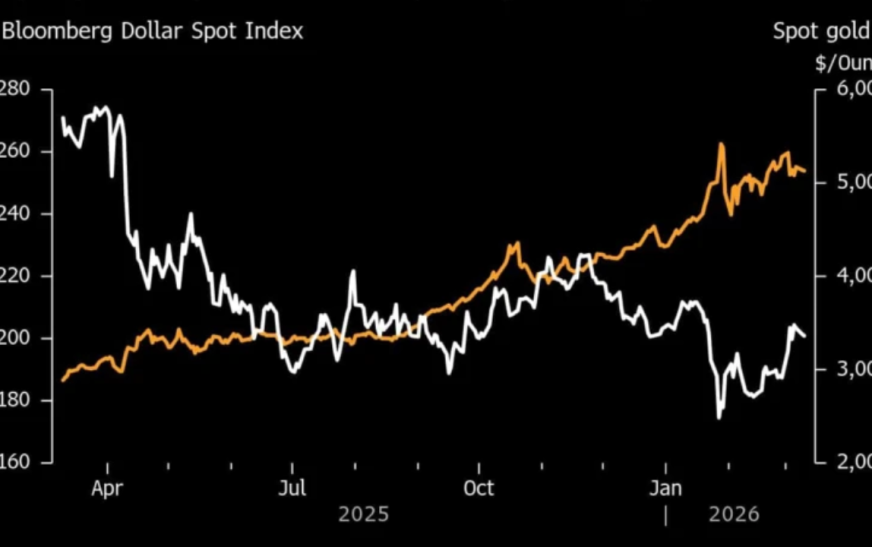
Gold prices rose more than 1% on Tuesday as optimism around an interim U.S.-Iran peace deal reduced oil-market stress, lowered inflation fears, and pushed traders to scale back expectations for another Federal Reserve rate hike later this year. The latest gold price forecast has turned more constructive in the short term, with bullion benefiting from lower energy prices and falling short-term rate pressure ahead of the Fed’s policy decision.
According to the original Reuters report published through TradingView, spot gold was up 0.8% at $4,338.86 per ounce as of 1:55 p.m. ET, after rising more than 1% earlier in the session. U.S. gold futures for August delivery settled around 0.1% higher at $4,354.40.
The move came as Brent crude futures dropped below $80 per barrel for the first time since early March, following the announcement of an interim deal that would extend a ceasefire by another 60 days and reopen the Strait of Hormuz. For gold traders, the key link is monetary policy: lower oil prices can reduce inflation pressure, which may reduce the need for the Fed to raise interest rates again.
Gold Rises as Rate-Hike Pressure Fades
Gold’s recovery reflects a shift in the rate outlook. Markets pared back expectations for a Fed rate hike in December to 60%, down from around 70% the previous week, according to the CME FedWatch tool cited in the source. That drop in probability helped bullion regain support because gold tends to perform better when rate-hike expectations ease.
Gold does not generate yield, so it can struggle when investors expect interest rates to rise. Higher rates make cash, short-term government bonds, and other income-producing assets more competitive relative to bullion. When rate expectations decline, that opportunity cost falls, improving gold’s appeal.
The recent rally therefore does not only reflect geopolitical optimism. It reflects a change in the inflation and interest-rate chain. The U.S.-Iran deal reduced pressure on oil prices. Lower oil prices reduced fears of persistent inflation. Reduced inflation pressure lowered expectations that the Fed would need to tighten again. That sequence supported gold.
This makes the gold price forecast highly dependent on whether the deal holds and whether energy prices remain contained. If oil rebounds, rate-hike fears could return quickly.
U.S.-Iran Deal Eases Energy-Market Stress
The interim U.S.-Iran deal is central to the current market reaction. The agreement announced by U.S. President Donald Trump would extend a fragile ceasefire agreed in April by another 60 days and reopen the Strait of Hormuz, which Iran had effectively blocked since February after U.S. and Israeli attacks on Iran.
The Strait of Hormuz is a critical chokepoint for global energy flows. When the Strait is threatened or blocked, oil prices can rise sharply because traders price in potential supply disruptions. Higher oil prices then feed into inflation expectations, especially through fuel, transport, production, and shipping costs.
By reducing the immediate risk around Hormuz, the deal removed part of the geopolitical premium in crude. Brent’s drop below $80 per barrel showed how quickly energy markets reacted. For gold, that mattered because oil-driven inflation had been one of the reasons traders expected the Fed to keep rates higher for longer.
David Meger, director of metals trading at High Ridge Futures, said the market had been supported over the previous two sessions by the prospect of an agreement between the U.S. and Iran to end the war. He linked that development to lower short-term rates, lower energy prices, and less likelihood that the Fed would need to raise rates later this year.
Why Lower Oil Can Support Gold
Gold is often called an inflation hedge, so it may seem counterintuitive that falling oil and lower inflation fears helped bullion. The explanation lies in the difference between inflation protection and interest-rate pressure.
Gold can benefit when investors fear currency weakness, financial instability, or long-term purchasing-power erosion. But when inflation forces central banks to raise rates, gold can suffer because higher yields make non-yielding assets less attractive.
That is why lower oil can be bullish for gold in the current environment. If cheaper energy reduces inflation risk, the Fed may have less reason to hike. Lower expected rates can support bullion even if inflation-hedge demand cools slightly.
The current market appears to be focused more on interest-rate relief than on inflation-hedge demand. Gold had been under pressure during the U.S.-Israeli war with Iran because rising oil prices increased expectations of prolonged high interest rates. With oil now falling, some of that pressure has reversed.
For readers tracking inflation, commodities, and central-bank policy, Finprozone latest market news provides broader coverage of the macro drivers affecting major asset classes.
Fed Decision Becomes the Next Major Test
Markets are now waiting for the Federal Reserve’s rate decision on Wednesday, the first under new Chair Kevin Warsh. The meeting is important because traders have already adjusted expectations, but they still need confirmation from the central bank’s statement and guidance.
If the Fed acknowledges lower energy-price pressure and sounds less concerned about another inflation spike, gold may hold recent gains. If policymakers warn that inflation remains too high or that another rate hike is still possible, bullion could face renewed selling.
The rate decision itself may be less important than the tone. If the market already expects no immediate move, traders will focus on forward guidance, inflation language, and any signal about December. Gold’s next move may depend on whether the Fed validates the market’s reduced hike expectations.
The new leadership dimension also matters. Since this is the first Fed decision under Kevin Warsh, investors may pay close attention to how his communication style compares with prior leadership. Any perceived shift in policy reaction function could affect gold, Treasury yields, the dollar, and broader commodities.
Gold’s Technical Position Improves
Gold touched its highest level since June 5 in the previous session, suggesting that buyers returned after recent pressure. The move above $4,300 per ounce gives the market a stronger short-term tone, especially after rate-hike fears had weighed on bullion earlier.
However, the recovery remains dependent on macro confirmation. Gold has improved because rate expectations moved lower, but the market has not eliminated the risk of another Fed hike. A 60% probability of a December hike still indicates that traders see tightening as more likely than not.
That means gold’s upside may remain limited unless the Fed turns less hawkish or inflation data softens further. A durable rally would likely require lower yields, a weaker dollar, stable or lower crude prices, and continued belief that the Fed can avoid another hike.
If those conditions hold, gold may continue attracting support. If they reverse, the metal could quickly return to the pressure seen in prior sessions.
Silver, Platinum, and Palladium Join the Move
The broader precious-metals complex also gained. Spot silver rose 0.3% to $70.22 per ounce, platinum gained 2.8% to $1,816.65, and palladium firmed 0.7% to $1,358.06. Platinum’s stronger move suggests that industrial and precious-metal demand expectations were also improving.
Silver’s smaller gain shows that the market reaction was not uniform. Silver often trades with both monetary and industrial characteristics, so it can be influenced by risk appetite, growth expectations, and precious-metal flows. Gold’s move was more directly tied to rates and safe-haven positioning.
Platinum and palladium can be more sensitive to industrial demand, especially in sectors tied to vehicles and manufacturing. Their gains suggest some improvement in broader metals sentiment, but gold remains the clearest expression of the lower-rate narrative.
For gold traders, confirmation from other precious metals can be useful. A broad metals rally may strengthen the case for sector-wide buying. If gold rises alone while silver and platinum lag, the move may be more narrowly tied to rates or defensive positioning.
Central Bank Meetings Add Volatility Risk
The Reuters source noted that markets are awaiting a series of central bank meetings this week, including the Fed’s rate decision. That matters because gold is highly sensitive to monetary-policy expectations across major economies.
Central bank meetings can move currencies, yields, and risk sentiment. If global central banks sound more restrictive, gold may face pressure. If they sound more cautious or concerned about growth, gold could benefit from lower yield expectations.
The Fed remains the most important event for dollar-priced gold. U.S. rates and the dollar have a direct influence on bullion. A stronger dollar can make gold more expensive for buyers using other currencies, while higher yields raise the opportunity cost of holding the metal.
Traders should therefore avoid assuming the rally is secure before the Fed decision. The market has already priced in some relief from the Iran deal. The next test is whether central-bank guidance supports that relief.
What the Iran Deal Changes for the Gold Market
The U.S.-Iran deal changes the gold market by reducing one of the forces that had been keeping rates pressure elevated: oil-driven inflation risk. If the Strait of Hormuz reopens and crude stays below $80, inflation expectations may continue easing.
That could improve gold’s short-term outlook. Lower oil reduces pressure on consumers and businesses, potentially lowering the urgency for further Fed tightening. If short-term rates continue to decline, gold may remain supported.
However, the deal is interim and extends the ceasefire by 60 days. It is not a permanent resolution. Any renewed conflict, shipping disruption, or breakdown in negotiations could quickly lift oil prices again. In that scenario, gold could experience conflicting pressures: safe-haven demand may rise, but rate-hike fears could also return if oil spikes.
This is why the gold price forecast remains constructive but conditional. The rally depends on geopolitical de-escalation holding long enough to influence inflation expectations and Fed policy pricing.
Key Levels and Signals to Watch
The first signal is spot gold around $4,338.86 and whether it can remain above the $4,300 area. Holding that zone would suggest buyers are defending the recovery. A drop below it could indicate that the rally is losing momentum.
The second signal is Brent crude below $80. If Brent remains under that level, inflation fears may continue easing. If crude rebounds sharply, gold may face renewed policy pressure.
The third signal is the December Fed hike probability. A move below 60% would likely support gold further. A return toward 70% could pressure bullion.
The fourth signal is Wednesday’s Fed decision and Chair Kevin Warsh’s guidance. Traders will watch whether the Fed confirms or challenges the market’s reduced rate-hike expectations.
The fifth signal is the status of the U.S.-Iran ceasefire extension and Strait of Hormuz reopening. Confirmation and stability would support the lower-oil narrative.
CTA: Watch Fed Guidance and Oil Below $80
Gold’s short-term outlook has improved because U.S.-Iran peace deal optimism pushed oil lower and reduced December rate-hike expectations. Traders should now watch the Fed’s Wednesday decision, Brent crude below $80, gold’s ability to hold above $4,300, and whether the 60-day ceasefire extension leads to stable energy flows. The gold price forecast remains supportive only if lower inflation pressure continues.
FAQ
Why did gold rise after the U.S.-Iran peace deal?
Gold rose because the interim U.S.-Iran peace deal lowered oil prices and reduced inflation fears. With less pressure from energy costs, traders scaled back expectations for a December Fed rate hike, which reduced the opportunity cost of holding non-yielding gold.
How do lower oil prices affect the gold price forecast?
Lower oil prices can support gold when they reduce inflation pressure and lower expectations for future rate hikes. Although gold is an inflation hedge, it often suffers when high inflation forces central banks to raise rates. Softer oil can ease that policy pressure.
What should traders watch at the Fed meeting?
Traders should watch whether the Fed confirms that inflation pressure is easing or keeps the door open to another hike later this year. For scheduled central-bank decisions and inflation events, follow the economic calendar for upcoming market events to track key market catalysts.
Is gold likely to keep rising?
Gold can keep rising if oil remains lower, the U.S.-Iran deal holds, Fed hike expectations continue falling, and bullion stays above key support near $4,300. However, renewed geopolitical tension or hawkish Fed guidance could quickly pressure the metal again.