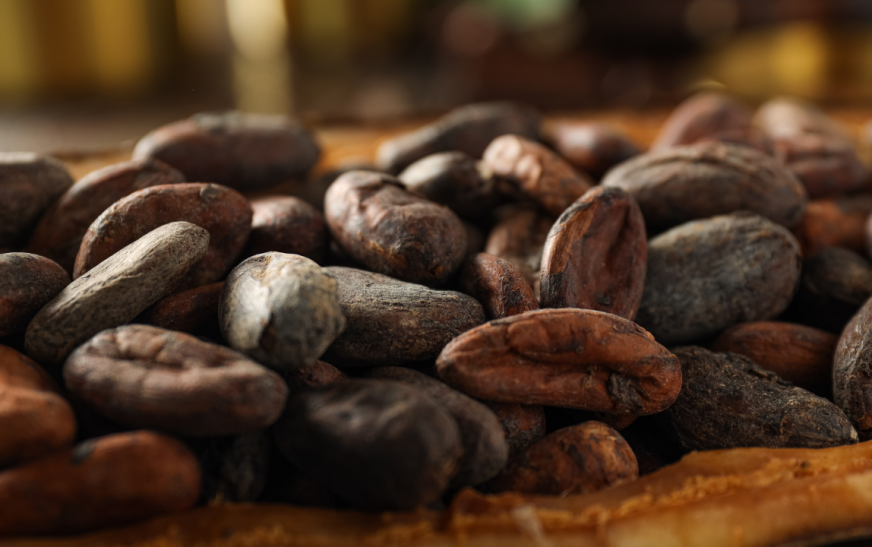
Cocoa futures remain under pressure near multi-year lows
Cocoa futures are trading close to their lowest levels since 2023 as the market continues to price in expectations of better supply from West Africa and weaker global demand. Prices have recently moved in a narrow range around $3,400 per tonne, showing that traders are not yet seeing a strong catalyst for a sustained recovery.
According to the original Trading Economics report via TradingView, cocoa futures remain pressured by improved weather conditions in key producing countries such as Ivory Coast and Ghana. At the same time, demand signals remain soft, with recent grinding data from Europe and the United States showing continued declines.
This creates a difficult setup for cocoa bulls. Better production prospects increase the likelihood of stronger availability, while weaker grinding activity suggests chocolate manufacturers and processors are not absorbing supply aggressively. When supply expectations improve and demand looks subdued, futures prices often struggle to move higher.
However, the cocoa market is not entirely free of risk. Irregular rainfall in Ivory Coast’s main growing regions is beginning to raise concern, especially because the market is now in a critical stage for the mid-crop season, which runs from March to August. Farmers are still reporting good pod development, but continued dry weather could reduce yields and damage bean quality later in the season.
Why cocoa prices are hovering around $3,400
Cocoa futures trading around $3,400 per tonne reflects a market that has shifted from scarcity fear to supply normalization. After previous periods of tight supply and high volatility, traders are now focusing on whether improved crop conditions can rebuild availability.
The current range also suggests that the market is waiting for confirmation. Prices are low compared with recent history, but traders are not rushing to bid them higher because demand remains weak. At the same time, prices are not collapsing further because weather risks in West Africa have not disappeared.
This kind of sideways trading often appears when supply and demand signals are mixed. The market has enough bearish information to keep prices near lows, but enough uncertainty to prevent aggressive downside.
For cocoa futures, the next major direction will likely depend on three factors: the quality of the mid-crop, the persistence of dry weather in Ivory Coast and whether grinding data begins to stabilize.
For broader updates across commodities, futures and global markets, readers can follow Finprozone latest market news.
West African supply prospects are improving
West Africa remains the center of the global cocoa market. Ivory Coast and Ghana are the world’s most important cocoa producers, so weather and crop conditions in these countries strongly influence futures prices.
Improved weather conditions in both countries have supported expectations for better production. When traders believe West African output will improve, cocoa futures often face downward pressure because the market begins pricing in stronger supply.
Better production prospects are especially important after periods of crop stress. If farmers report healthier pod development and harvesting progresses normally, buyers may become less concerned about shortages. That reduces the urgency to secure supply at higher prices.
However, supply recovery is not guaranteed. Cocoa crops are highly sensitive to rainfall patterns, disease pressure and bean quality. Even when early crop development looks promising, dry weather or irregular rains can still affect final yields.
This is why the market is not treating improved supply as a completely settled story. Better weather has lowered scarcity fears, but the mid-crop still needs to prove itself through the season.
Ivory Coast rainfall remains a risk
Ivory Coast is especially important because it is the largest cocoa producer in the world. Any weather problem in its main growing regions can quickly affect global cocoa sentiment.
The latest concern is irregular rainfall. Farmers are reporting good pod development for now, which should support short-term output, especially in May and June. But continued dry weather could eventually reduce yields and hurt bean quality.
This distinction matters. A crop can look healthy in the early stage but still face trouble later if weather patterns deteriorate. Cocoa pods need adequate moisture through development. If rainfall becomes too inconsistent, beans may be smaller, lower quality or less suitable for premium processing.
For futures traders, this creates a delayed risk. The market may remain bearish while supply looks adequate, but weather stress could quickly shift sentiment if crop reports worsen.
The key question is whether the irregular rainfall becomes a temporary issue or a sustained threat. A few dry weeks may not significantly damage the crop. A longer dry spell during a critical development phase could change the supply outlook.
Ghana’s production outlook also matters
Ghana is the second major West African producer that traders closely monitor. Improved weather there supports the broader bearish supply narrative. If both Ivory Coast and Ghana show better production prospects, the market has stronger reason to expect more available cocoa.
Ghana’s role is important because problems in one producing country can sometimes be offset by better conditions in another. If Ivory Coast faces localized rainfall issues but Ghana performs well, global supply pressure may remain manageable.
However, if both countries face weather stress at the same time, cocoa futures can react sharply. That is why traders rarely focus on one country alone. They watch the regional supply picture.
For now, the supply side is generally improved. That has helped keep prices near 2023 lows. But because cocoa production is concentrated in West Africa, the market remains vulnerable to sudden changes in rainfall, disease or farm-level reports.
Mid-crop development is now the key supply test
The mid-crop season runs from March to August, making current weather conditions especially important. This crop period is closely watched because it helps determine how much cocoa will be available after the main crop season.
The current reports suggest harvesting is still progressing and pod development is good. That supports short-term supply expectations, especially for May and June. But the concern is what happens later if dry weather continues.
Mid-crop quality matters as much as volume. Cocoa buyers do not only need beans; they need beans that meet processing standards. Poor quality can reduce usable supply even if headline production volumes look acceptable.
This is one reason cocoa futures may remain sensitive to farm-level updates. If farmers continue reporting good development, prices may stay under pressure. If reports begin showing smaller pods, disease issues or quality concerns, prices could recover quickly from low levels.
The market is therefore watching not just how much cocoa is harvested, but how good that cocoa is.
Weak grinding data signals softer demand
The demand side remains one of the clearest bearish factors for cocoa futures. Recent grinding data suggests cocoa demand remains weak, with Europe and the United States continuing to report declines.
Grinding data is important because it measures how much cocoa is being processed into products such as cocoa butter, cocoa powder and liquor. It is one of the best indicators of industrial demand.
When grinding declines, it suggests processors are using less cocoa. That can reflect weaker chocolate demand, high inventory levels, margin pressure or cautious buying from manufacturers.
Weak grinding data is especially damaging when supply expectations are improving. If more cocoa is expected while processors are buying less aggressively, the market can remain oversupplied or at least less tight than previously feared.
This is why prices have struggled to recover. Supply risk exists, but demand data is not strong enough to create a bullish imbalance.
Europe and the United States show demand weakness
The reported declines in Europe and the United States matter because these are major cocoa-processing and chocolate-consuming regions. If both continue showing weak grinding activity, it suggests demand softness is not isolated.
Several factors can weigh on cocoa demand. High chocolate prices can reduce consumer purchases. Manufacturers may adjust recipes, reduce inventory or delay procurement. Broader economic pressure can also affect discretionary spending on confectionery.
The cocoa market is sensitive to this because demand tends to move more slowly than supply shocks. A weather problem can change supply expectations quickly, but demand weakness can persist over several quarters if consumers or processors remain cautious.
For futures traders, the key question is whether grinding declines are temporary or structural. If demand stabilizes, cocoa futures may find support near current lows. If grinding continues to weaken, prices may struggle even if weather risks rise.
Lower cocoa prices may eventually support demand
Although weak demand is currently bearish, lower cocoa futures can eventually help rebalance the market. If prices stay near 2023 lows, manufacturers may become more comfortable rebuilding inventories or increasing purchases.
Lower input costs can also ease pressure on chocolate makers. If cocoa prices become more manageable, companies may have less need to pass costs on to consumers. Over time, that could support retail demand.
However, this process is not immediate. Demand recovery depends on more than futures prices. It also depends on consumer confidence, retail pricing, inventory levels and manufacturer strategy.
For now, the market has not yet seen enough evidence that lower prices are stimulating stronger demand. Traders will need to watch future grinding reports to see whether processors return more actively.
Cocoa futures remain vulnerable to weather reversals
Even though the current tone is bearish, cocoa futures remain vulnerable to a weather-driven reversal. Agricultural markets can change quickly when crop risks appear during critical development periods.
If dry weather persists in Ivory Coast, traders may begin pricing in reduced yields or lower bean quality. That could support a rebound, especially if prices are already near multi-year lows.
Weather risk is particularly important because the cocoa market depends heavily on a concentrated supply region. Unlike some commodities with broader geographic production, cocoa supply is heavily tied to West Africa. That concentration makes futures sensitive to local conditions.
The market may therefore remain volatile even while prices trade in a narrow range. A shift in rainfall forecasts or crop reports could quickly change sentiment.
What could push cocoa futures lower?
Cocoa futures could move lower if supply continues improving and demand remains weak.
The first bearish factor would be steady rainfall in Ivory Coast and Ghana. If crop conditions improve and pod development remains strong, production expectations may rise.
The second would be continued weak grinding data. If Europe and the United States keep reporting lower processing activity, demand concerns may deepen.
The third would be stronger farmer selling or improved arrivals. If physical supply appears more abundant, futures could remain under pressure.
The fourth would be weaker global consumer demand for chocolate and confectionery. If inflation or economic pressure reduces purchases, processors may remain cautious.
The fifth would be technical selling. Prices near multi-year lows can attract trend-following sellers if support breaks.
What could help cocoa futures recover?
Cocoa futures could recover if supply concerns return or demand stabilizes.
The first bullish factor would be prolonged dry weather in Ivory Coast’s main growing regions. If yields or bean quality are threatened, traders may reprice supply risk quickly.
The second would be stronger grinding data. Any sign that Europe or U.S. processing demand is stabilizing could support prices.
The third would be stronger physical buying from manufacturers. If buyers see current levels as attractive, procurement could increase.
The fourth would be crop-quality concerns. Even if volumes are acceptable, poor bean quality can reduce usable supply.
The fifth would be a broader commodity recovery. If soft commodities gain momentum, cocoa may benefit from renewed speculative interest.
For traders tracking commodity futures and market signals, Finprozone’s market tools and trading resources can help compare price trends, supply risks and broader market conditions.
Conclusion
Cocoa futures are hovering near their lowest levels since 2023, trading around $3,400 per tonne as better supply prospects and weak demand keep pressure on prices. Improved weather in West African producers such as Ivory Coast and Ghana has supported expectations for stronger production, while recent grinding data from Europe and the United States suggests global demand remains subdued.
The market is not without risk. Irregular rainfall in Ivory Coast’s main cocoa-growing regions is beginning to raise concern during a critical stage of the mid-crop season. Farmers still report good pod development, particularly for May and June output, but continued dry weather could reduce yields and damage bean quality later in the season.
For now, the bearish supply-demand balance is keeping cocoa futures near multi-year lows. But the market remains sensitive to weather changes. If rainfall improves and grinding demand stays weak, prices may remain under pressure. If dry weather persists or processing demand stabilizes, cocoa could attempt a recovery.
FAQ
Why are cocoa futures near 2023 lows?
Cocoa futures are near 2023 lows because traders expect better supply from West Africa while global demand remains weak. Improved weather in Ivory Coast and Ghana has supported production prospects, while grinding data from Europe and the United States continues to decline.
Why does Ivory Coast weather matter for cocoa?
Ivory Coast is the world’s largest cocoa producer, so weather in its growing regions strongly affects global supply expectations. Irregular rainfall during the mid-crop season can reduce yields, damage bean quality and quickly change cocoa futures sentiment.
What is cocoa grinding data?
Cocoa grinding data measures how much cocoa is processed into products such as cocoa butter, powder and liquor. It is a key indicator of demand from chocolate manufacturers and processors. Falling grinding data usually signals weaker industrial demand.
Could cocoa futures recover from current levels?
Yes, cocoa futures could recover if dry weather threatens Ivory Coast’s mid-crop, bean quality worsens or grinding demand stabilizes. Prices are near low levels, so any shift in supply risk or demand expectations could trigger a rebound.
What should cocoa traders watch next?
Cocoa traders should watch rainfall in Ivory Coast and Ghana, mid-crop development, bean quality, cocoa arrivals and grinding data. These factors will determine whether cocoa futures stay near 2023 lows or begin to recover.