The dollar forecast weakened after reports that the United States and Iran had reached an agreement to extend a ceasefire, reducing safe-haven demand for the U.S. currency and pulling Treasury yields lower. According to the original Reuters report published through TradingView, four sources familiar with the matter said Washington and Tehran agreed to extend the truce for another 60 days while negotiators work through difficult issues, including Iran’s nuclear program.
The dollar index, which tracks the greenback against a basket of major currencies, fell 0.3% to 99. The move put the index on track to end a two-session winning streak that had followed the resumption of hostilities between the U.S. and Iran. The dollar has been highly sensitive to Middle East headlines in recent weeks, strengthening when markets price in a prolonged conflict and weakening when reports point toward de-escalation.
The latest reaction fits that pattern. A potential 60-day pause would reduce immediate concerns about supply disruptions, inflation pressure, and geopolitical risk. That helped U.S. equities move higher, with the Nasdaq rising nearly 1%, while the 10-year Treasury yield fell 2.8 basis points to 4.453%. Lower yields reduced one of the dollar’s key supports, while stronger risk appetite encouraged buying in currencies such as the Australian and New Zealand dollars.
Why the Dollar Fell After Ceasefire Reports
The dollar often rises during geopolitical stress because investors look for liquidity and safety. During the U.S.-Iran conflict, that safe-haven demand was reinforced by another factor: higher oil prices. Elevated energy prices increased inflation concerns and encouraged markets to price a longer period of restrictive Federal Reserve policy.
Ceasefire reports changed that short-term equation. If the truce holds and traffic through the strategic waterway resumes more normally, markets may reduce the risk premium attached to oil, inflation, and the dollar. That does not mean the conflict is fully resolved. The Reuters report noted that similar reports during the three-month conflict have not yet produced a lasting end to the war. Still, currency markets often react quickly to even partial signs of de-escalation.
The dollar’s decline was also linked to falling Treasury yields. When yields fall, dollar-denominated assets become slightly less attractive to global investors. That can weaken the greenback, especially when risk-sensitive currencies gain at the same time.
This is why the dollar’s move was not only about geopolitics. It was also about rates, risk appetite, and investor positioning.
Treasury Yields Remain the Dollar’s Main Anchor
Treasury yields are central to the current dollar forecast. The 10-year yield falling to 4.453% helped pressure the dollar because the greenback has been supported by elevated U.S. rates through much of the conflict-driven inflation shock.
When yields rise, the dollar often benefits because investors can earn more from U.S. bonds, cash, and money-market instruments. When yields fall, especially during improved risk sentiment, investors may reduce dollar exposure and move into equities or higher-beta currencies.
The latest yield decline suggests markets are reassessing how aggressive the Federal Reserve may need to be if energy pressures ease. That does not mean rate cuts are suddenly certain. Inflation remains elevated, and the Fed still faces a difficult policy environment. But lower yields show that traders are beginning to price a slightly less aggressive path if geopolitical pressure cools.
For the dollar, this creates a fragile setup. If yields continue falling, the DXY could remain under pressure. If oil prices rise again or inflation fears return, yields may rebound and support the dollar.
Softer U.S. Data Adds to the Dollar Pullback
The dollar was also affected by softer U.S. economic data. The Reuters report noted that U.S. economic growth for the first quarter was revised lower, while core PCE inflation came in slightly softer on a monthly basis.
The personal consumption expenditures price index rose 0.4% month-on-month in April after jumping 0.7% in March. Core PCE, which excludes food and energy, rose 0.2% in April after increasing 0.3% in March. This matters because core inflation is closely watched by the Federal Reserve as a gauge of underlying price pressure.
Joel Kruger of LMAX Group said the combination of softer core PCE and weaker growth data suggests the Fed may be able to be “a little bit less aggressive” with its higher-for-longer stance. That is risk-supportive because it lowers the immediate fear that the Fed will need to tighten policy sharply.
Still, the data does not give markets a clean all-clear signal. Headline inflation remains affected by energy prices, and the geopolitical backdrop is unresolved. This explains why the dollar is weakening but not collapsing. Traders are adjusting expectations, not fully abandoning the higher-for-longer narrative.
For broader coverage of currencies, inflation, central-bank policy, and macro risk, Finprozone latest market news provides regular updates on market-moving developments.
Fed Policy Remains a Key Risk
Even with ceasefire optimism and softer core inflation, Federal Reserve policy remains a major source of uncertainty. The report noted that U.S. inflation increased at its fastest pace in three years in April, largely driven by higher energy prices linked to the war with Iran. That keeps the Fed in a cautious position.
If the ceasefire holds and energy prices ease, the Fed may have less reason to consider additional tightening. If the ceasefire breaks down and oil prices rise again, inflation pressure could remain elevated and force the Fed to keep rates high for longer.
This is why the dollar forecast is still unstable. The market is not trading a settled policy outlook. It is trading a moving combination of geopolitical headlines, inflation data, growth revisions, and rate expectations.
A stronger dollar could return if Fed officials signal that inflation remains too high or if incoming data shows renewed price pressure. A weaker dollar could continue if the ceasefire reduces energy risk and softer growth data keeps rate expectations contained.
Euro Gains as Dollar Weakens
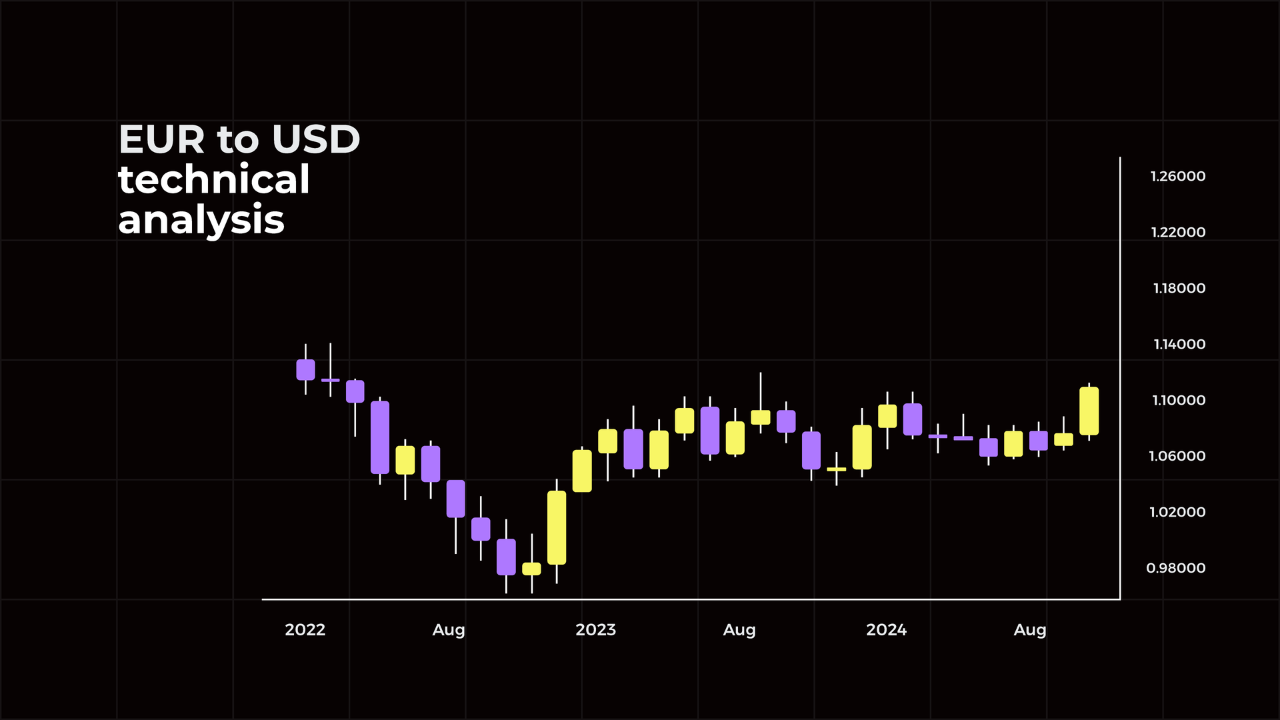
The euro gained 0.20% against the dollar to $1.1649. This move was partly a direct result of dollar weakness, since the euro is one of the largest components of the dollar index.
For EUR/USD, the key issue is whether the dollar decline becomes a broader trend or remains a short-term reaction to ceasefire headlines. If Treasury yields continue falling and risk sentiment stays firm, the euro may extend gains. If the dollar rebounds on renewed Fed tightening fears, euro upside may be limited.
The euro’s own fundamentals also matter. European growth, inflation, and central-bank expectations will influence whether EUR/USD can build momentum. However, in this specific move, the driver was mostly a softer dollar rather than a major euro-specific catalyst.
Swiss Franc Strength Reflects Dollar Pressure
The dollar also weakened against the Swiss franc, falling 0.37% to 0.784. The franc often performs well during uncertainty, but in this case, the move also reflects broad dollar softness.
USD/CHF can be sensitive to both safe-haven flows and yield expectations. If the dollar loses support from falling Treasury yields, the pair can decline even when global risk sentiment improves. The franc’s move suggests the market was reducing dollar exposure across several major pairs, not only rotating into risk-sensitive currencies.
This is important because broad dollar weakness is more meaningful than weakness against one currency. If the dollar continues losing ground across the euro, franc, Aussie, Kiwi, and other majors, it would signal a wider shift in positioning.
Yen Intervention Risk Remains High
The Japanese yen remains a major focus as USD/JPY trades near the 160-per-dollar psychological level. The yen was up 0.19% against the dollar at 159.22, but it remains close to levels that could trigger official concern in Tokyo.
Investors are watching whether Japanese officials will intervene again to support the currency. The yen’s weakness has been driven by the large gap between U.S. and Japanese interest rates, as well as broad dollar strength during the conflict. Even when the dollar weakens slightly, USD/JPY remains elevated.
The problem for Japan is that a weak yen can raise import costs, especially for energy and food. That can pressure households and complicate inflation management. However, intervention alone may not be enough if U.S. yields remain high and the Bank of Japan does not signal a more sustained tightening path.
For traders, USD/JPY near 160 remains a danger zone. It may discourage aggressive dollar buying against the yen, but the pair may not reverse meaningfully unless the broader dollar and Treasury yields soften further.
Australian Dollar Benefits From Risk Appetite
The Australian dollar rose 0.32% to $0.71645 and remained the top-performing G10 currency against the U.S. dollar this year, up 7.35% year-to-date. The Aussie often benefits when risk sentiment improves because it is tied to global growth, commodities, and investor appetite for higher-beta currencies.
Ceasefire hopes supported this move by reducing immediate geopolitical stress. If investors believe the Middle East conflict may cool, they may become more willing to hold currencies linked to growth and commodity demand.
However, the Australian dollar’s strength still depends on follow-through. If the ceasefire fails or inflation concerns return, risk-sensitive currencies could lose momentum. If the truce holds and global equities remain supported, the Aussie may remain relatively firm.
The currency’s year-to-date outperformance shows that investors already see value in the Australian dollar compared with other G10 peers. That makes future price action sensitive to whether the global risk environment continues improving.
New Zealand Dollar Extends Gains After RBNZ Signal
The New Zealand dollar gained 0.51% to $0.59315, adding to prior-session gains after the Reserve Bank of New Zealand signaled a hawkish shift. This makes the Kiwi’s move more specific than the Aussie’s.
A hawkish central-bank signal can support a currency because it raises expectations for higher rates or a longer period of restrictive policy. When combined with a softer U.S. dollar, that can create stronger upside.
The NZD move shows that currencies with their own positive rate stories may benefit more when the dollar weakens. If the RBNZ continues to sound hawkish while U.S. rate expectations soften, NZD/USD could remain supported.
Still, like other risk-sensitive currencies, the Kiwi remains exposed to global sentiment. If markets return to defensive positioning, the currency could face renewed pressure.
Equities Respond Positively to Lower Risk
U.S. equity markets gained as the dollar weakened, with the Nasdaq rising nearly 1%. This reflects a classic risk-supportive reaction: lower yields, reduced geopolitical stress, and softer core inflation created a better environment for growth-oriented assets.
Technology and growth stocks often benefit when yields fall because lower discount rates improve the value of future earnings. A softer dollar can also support multinational companies by improving the translation value of overseas revenue.
However, the equity reaction also depends on the ceasefire holding. If negotiations break down, oil prices and yields could rise again, reversing some of the risk-on move. That is why the market remains vulnerable to headlines.
What Could Push the Dollar Lower?
The dollar could weaken further if the U.S.-Iran ceasefire agreement becomes more credible, oil prices retreat, Treasury yields continue falling, and risk appetite remains strong. Softer inflation and weaker growth data could also reduce expectations for additional Fed tightening.
A sustained move below DXY 99 would likely attract attention from technical traders. If the dollar fails to recover quickly after the ceasefire news, investors may begin to reassess whether the recent dollar rally has peaked.
The strongest bearish dollar setup would include lower energy prices, weaker U.S. yields, stable equities, and improving global risk sentiment.
What Could Support the Dollar Again?
The dollar could regain strength if ceasefire reports fail to produce a durable truce, if oil prices rise again, or if inflation data turns hotter. A hawkish Federal Reserve response would also support the dollar.
The report itself notes that similar ceasefire reports during the conflict have not resulted in an end to the war. That warning is important. If markets conclude the latest agreement is fragile, safe-haven dollar demand could return quickly.
The yen situation could also support dollar demand if USD/JPY continues pushing toward 160, although intervention risk may limit aggressive positioning.
Dollar Forecast: Relief Trade, Not a Full Reversal Yet
The dollar forecast has softened because ceasefire reports reduced immediate geopolitical risk, lowered Treasury yields, and supported risk-sensitive currencies. The euro, Swiss franc, Australian dollar, and New Zealand dollar all gained as traders reduced dollar exposure.
However, this is not yet a confirmed dollar downtrend. Inflation remains elevated, the Fed is still cautious, and the U.S.-Iran conflict has produced several false starts before. The dollar may remain choppy until markets get clearer confirmation that energy risks are easing and that the Fed can step back from a more aggressive policy stance.
For now, the dollar is trading a relief move. Whether that becomes a larger decline depends on the durability of the ceasefire and the direction of U.S. yields.
FAQ
Why did the U.S. dollar weaken?
The dollar weakened after reports that the U.S. and Iran agreed to extend a ceasefire for 60 days. The news reduced safe-haven demand, pushed Treasury yields lower, and supported risk-sensitive currencies such as the Australian and New Zealand dollars.
How do Treasury yields affect the dollar forecast?
Treasury yields affect the dollar because higher yields make U.S. assets more attractive to global investors. When yields fall, that support weakens. The 10-year Treasury yield declined to 4.453%, helping pressure the dollar.
Why is the yen still near an intervention zone?
The yen remains close to 160 per dollar because U.S. rates are still much higher than Japanese rates. Even with the dollar pulling back, USD/JPY remains elevated, keeping investors alert to possible Japanese intervention.
Why did the Australian and New Zealand dollars rise?
The Australian dollar rose as risk sentiment improved after ceasefire reports. The New Zealand dollar also gained after the Reserve Bank of New Zealand signaled a more hawkish stance, supporting the currency against a softer U.S. dollar.
How should traders follow the dollar forecast now?
Traders should watch ceasefire developments, oil prices, Treasury yields, Fed commentary, and yen intervention risk. For scheduled policy and economic releases, use the economic calendar for upcoming market events to track key market catalysts.