Euro forecast remains cautious near $1.17
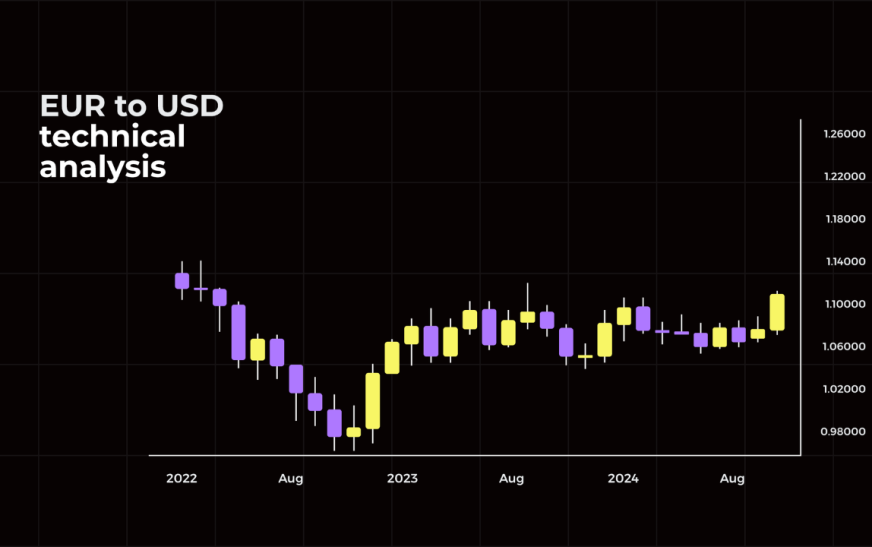
The latest Euro forecast remains cautious as the single currency holds near $1.17, close to the two-week lows reached last week. Traders are balancing geopolitical uncertainty, upcoming Eurozone inflation and GDP figures, and a key European Central Bank policy decision later this week.
According to the original Trading Economics report via TradingView, the euro stayed under pressure as investors assessed the fallout from stalled U.S.-Iran negotiations and prepared for a wave of economic releases. The combination of geopolitical risk and central bank uncertainty has kept EUR/USD from building stronger upside momentum.
The euro’s steady but subdued performance reflects a market in wait-and-see mode. Traders are not aggressively selling the currency, but they are also not showing enough confidence to push it meaningfully higher. The next move will likely depend on whether Eurozone data confirms persistent inflation pressure, whether growth remains resilient, and how the ECB frames its policy outlook.
For now, EUR/USD is trading in a narrow and sensitive zone. A stronger inflation reading could reinforce expectations of more ECB rate hikes. Weak GDP data, however, could make investors more cautious about the euro area’s economic outlook. That tension is why the euro remains close to recent lows despite expectations that the ECB will keep interest rates unchanged this week.
Why EUR/USD is struggling to recover
EUR/USD has struggled to recover because the market is dealing with multiple sources of uncertainty at the same time. The first is geopolitical. The stalled U.S.-Iran talks have kept investors cautious, especially because the dispute is tied to shipping routes, energy prices and inflation risk.
The second is monetary policy. The ECB is expected to hold interest rates steady at its Thursday meeting, but markets still expect further rate increases in the coming months. That creates a complicated setup. Higher rates can support the euro, but they can also raise concerns about growth if the economy is already slowing.
The third is data risk. Eurozone inflation and GDP figures are due this week, and both could change market expectations. If inflation remains sticky while growth holds up, the ECB may have more room to tighten later. If growth disappoints, traders may question whether more rate hikes are realistic.
This is why the euro is steady but not strong. The currency has potential support from rate expectations, but that support is being offset by geopolitical risk and uncertainty over economic momentum.
For broader global market coverage, readers can follow Finprozone latest market news.
US-Iran talks keep risk sentiment fragile
The U.S.-Iran diplomatic standoff remains a key external risk for the forex market. Market caution increased after a U.S. official said President Donald Trump was dissatisfied with Iran’s latest proposal. The proposal reportedly sought to delay discussions on Iran’s nuclear program until the two-month conflict and shipping disputes were resolved.
That matters for the euro because geopolitical stress can support the U.S. dollar. In uncertain environments, investors often move toward dollar liquidity, especially when risks involve energy supply, inflation and global trade routes.
If U.S.-Iran talks remain stalled, oil prices could stay elevated and inflation concerns may persist. That would complicate the policy outlook for central banks, including the ECB. Higher energy prices can feed into headline inflation, but they can also hurt growth by raising costs for households and businesses.
For EUR/USD, this creates a two-sided risk. Sticky inflation may support expectations of higher ECB rates, which could help the euro. But if the same inflation pressure comes from an energy shock that damages growth, the euro may not benefit.
This is why geopolitical headlines remain important for the Euro forecast. The currency is not just reacting to European data. It is also reacting to global energy and risk conditions.
Eurozone inflation data could shape ECB expectations
Eurozone inflation is one of the most important releases on this week’s calendar. The ECB has been trying to balance inflation control with economic stability, and the latest data could influence how markets price future rate hikes.
If inflation comes in stronger than expected, traders may increase expectations for additional ECB tightening. Markets are already pricing in at least two quarter-point hikes for 2026, so a hot inflation report could reinforce that view.
A stronger inflation reading could support the euro in the short term because higher expected rates can make euro-denominated assets more attractive. However, the quality of the inflation matters. If inflation is driven mainly by energy costs, markets may worry that the pressure is less healthy and more damaging to consumer purchasing power.
If inflation comes in softer than expected, the euro could face pressure. A weaker reading would reduce urgency for future rate hikes and may encourage traders to question how much tightening the ECB can still deliver.
The inflation report therefore has the potential to move EUR/USD in either direction. Traders will likely look beyond the headline figure and focus on underlying price pressures, services inflation and energy-related effects.
GDP data will test the growth side of the story
Eurozone GDP figures will also be closely watched. Inflation is only one part of the policy equation. Growth matters because central banks are more willing to raise rates when the economy can absorb tighter financial conditions.
If GDP data shows resilience, the ECB may have more room to maintain a hawkish bias. That could support the euro, especially if inflation also remains firm.
If GDP disappoints, the picture becomes more difficult. Weak growth would make future rate hikes harder to justify, even if inflation remains above target. It could also increase concern that higher energy prices and geopolitical uncertainty are already weighing on the euro area economy.
This is the central challenge for the ECB. It must decide whether inflation risks are strong enough to justify further tightening, while also avoiding unnecessary damage to growth.
For EUR/USD, GDP data can influence the market’s confidence in the euro area. A stronger growth reading may help the euro stabilize above recent lows. A weaker reading could keep the currency under pressure near $1.17.
ECB expected to hold rates this week
The European Central Bank is expected to maintain interest rates at its Thursday meeting. A hold would not surprise markets. The real focus will be on the tone of the statement, the press conference and any signals about future policy.
A wait-and-see stance makes sense given the current environment. The Middle East crisis has increased uncertainty, energy prices remain a risk, and major economic data is still being assessed. The ECB may prefer to keep policy steady while preserving flexibility for future meetings.
However, the market still expects further rate increases later in the year. At least two quarter-point hikes are priced for 2026. That means traders will listen carefully for whether the ECB validates or challenges those expectations.
If the ECB sounds comfortable with market pricing, the euro may find support. If policymakers emphasize uncertainty, downside growth risks or the need for patience, EUR/USD could remain under pressure.
The vote and language will matter. Even small changes in wording can affect rate expectations and currency direction.
Why higher ECB rates may not automatically lift the euro
In theory, higher interest-rate expectations should support a currency. If the ECB is expected to raise rates while other central banks are less aggressive, the euro can become more attractive.
But the current environment is more complicated. If rate hikes are driven by healthy growth and persistent demand, the currency response may be positive. If hikes are driven by energy shocks and geopolitical stress, the impact can be mixed.
Higher rates can slow borrowing, investment and consumption. If the euro area economy is already fragile, tighter policy may create growth concerns. In that case, the euro may not benefit strongly from rate-hike expectations.
This is why the Euro forecast depends on both inflation and GDP data. A strong inflation number alone may not be enough. Traders need to see whether the economy can handle tighter policy.
The euro’s current position near a two-week low shows that markets are not fully convinced. Rate expectations are supportive, but not powerful enough to overcome broader caution.
The dollar side of EUR/USD remains important
EUR/USD is not only a euro story. It is also a dollar story. The U.S. dollar can strengthen when global risk sentiment weakens, when geopolitical uncertainty rises, or when U.S. rate expectations remain firm.
The U.S.-Iran standoff can therefore pressure EUR/USD by supporting dollar demand. Even if euro-area data is decent, a stronger dollar can keep the pair subdued.
Traders are also watching global interest-rate decisions beyond Europe. This week includes several major central bank events. If the broader market becomes more risk-averse, the dollar may stay supported and limit euro gains.
The opposite is also true. If geopolitical tensions ease and U.S. data or Federal Reserve commentary softens the dollar, the euro may have room to recover from recent lows.
That is why traders should avoid viewing the Euro forecast in isolation. EUR/USD reflects the relative outlook between Europe and the United States, as well as global risk appetite.
The $1.17 area is a key short-term level
The euro holding near $1.17 makes this level important for short-term traders. It is close to recent two-week lows and may act as a reference point for market sentiment.
If EUR/USD holds above this area and upcoming data supports the euro, buyers may attempt a recovery. If the pair breaks lower with conviction, traders may begin looking for deeper support levels.
The reaction to economic data will be crucial. A strong inflation reading combined with stable GDP could help the euro. Weak growth or a cautious ECB could keep the pair under pressure.
Technical levels are useful, but in this environment, fundamental catalysts are likely to dominate. Inflation, GDP, ECB language, U.S.-Iran headlines and dollar movement will all shape price action.
For traders comparing currency setups, rate expectations and market signals, Finprozone’s market tools and trading resources can help track broader forex conditions.
What traders should watch next
Forex traders should watch five main signals.
The first is Eurozone inflation. A hotter reading may support ECB rate-hike expectations, while a softer reading could weaken them.
The second is Eurozone GDP. Stronger growth would give the ECB more room to remain hawkish. Weaker growth would make further tightening harder to justify.
The third is the ECB decision. A hold is expected, but the policy statement and guidance will determine how markets interpret the future path.
The fourth is U.S.-Iran negotiations. Any improvement could reduce risk aversion and energy-price pressure. Any further deterioration could support the dollar and weigh on EUR/USD.
The fifth is the U.S. dollar. If the dollar strengthens broadly, the euro may struggle even if European data is not especially weak.
Conclusion
The euro held near $1.17, close to a two-week low, as traders waited for Eurozone inflation, GDP figures and the European Central Bank’s policy decision. The latest Euro forecast remains cautious because the currency is caught between rate-hike expectations and broader market uncertainty.
The ECB is expected to keep rates unchanged this week, but markets still price in at least two quarter-point hikes for 2026. That gives the euro some potential support. However, stalled U.S.-Iran talks, energy-price risk and uncertainty over euro-area growth continue to weigh on sentiment.
The next move in EUR/USD will likely depend on the combination of data and central bank tone. Strong inflation and resilient GDP could help the euro stabilize or recover. Weak growth, cautious ECB guidance or renewed dollar strength could keep the currency under pressure.
For now, the euro is steady, but not confidently bullish. Traders should treat the $1.17 area as a sensitive zone while waiting for clearer signals from economic data and policy guidance.
FAQ
Why is the euro near a two-week low?
The euro is near a two-week low because traders are cautious ahead of Eurozone inflation, GDP data and the ECB decision. Stalled U.S.-Iran talks have also supported risk aversion and helped keep the U.S. dollar firm.
What level is EUR/USD trading near?
EUR/USD is trading near $1.17, close to the two-week lows seen last week. This level has become important because traders are waiting for fresh economic data and ECB guidance before taking a stronger directional view.
What is the ECB expected to do?
The European Central Bank is expected to keep interest rates unchanged at its Thursday meeting. However, markets still price in further rate increases later in 2026, so traders will focus on the ECB’s tone and future policy guidance.
Why do Eurozone inflation and GDP matter?
Inflation and GDP matter because they shape ECB policy expectations. Strong inflation may support future rate hikes, while weak GDP could make additional tightening harder to justify. Together, the data will influence the next stage of the Euro forecast.
What should forex traders watch next?
Forex traders should watch Eurozone inflation, GDP, ECB guidance, U.S.-Iran developments and dollar momentum. These factors will determine whether EUR/USD can recover from recent lows or remains under pressure near $1.17.