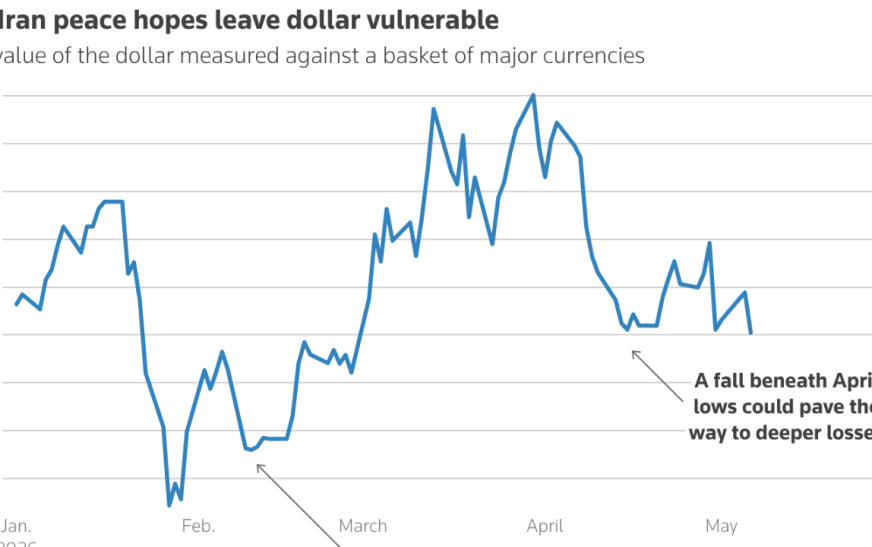
The dollar forecast weakened after the U.S. Dollar Index slipped as investors reacted to renewed hopes of an imminent U.S.-Iran deal, lower crude oil prices, and a shifting macro backdrop ahead of the Federal Reserve’s June policy meeting. The greenback edged lower as risk sentiment improved, while easing energy-market fears reduced some of the inflation pressure that had recently supported safe-haven demand for the dollar.
According to the original dpa-AFX report published through TradingView, the U.S. Dollar Index was last seen at 99.69, down 0.36% on the day. The move came after U.S. President Donald Trump said a peace proposal involving Iran had been approved by the highest level of Iranian leadership and neighboring countries, prompting him to call off previously planned strikes.
The market reaction was immediate. A major escalation appeared to be avoided, oil prices tumbled, inflation concerns eased, and the dollar lost some of its defensive appeal. However, the outlook remains complicated because the same report also showed strong U.S. producer inflation, higher jobless claims, and a high probability that the Federal Reserve will keep rates unchanged at its June 16-17 meeting.
Dollar Slips as Iran Deal Hopes Improve Sentiment
The dollar’s decline was driven mainly by a shift in geopolitical expectations. In recent sessions, the greenback had benefited from safe-haven demand as tensions between the U.S.-Israeli forces and Iran escalated. The risk of deeper conflict in the Gulf, threats to oil infrastructure, and uncertainty around the Strait of Hormuz had supported demand for the dollar as investors reduced exposure to riskier assets.
That changed after Trump said planned strikes were being called off because a peace proposal had been approved. The announcement reduced immediate escalation fears and raised hopes that normal activity could return around the Strait of Hormuz. Since the Strait is critical to global energy flows, any sign of de-escalation can quickly affect oil prices, inflation expectations, and currency positioning.
The dollar forecast now depends on whether this diplomatic signal becomes a confirmed agreement. If a deal is signed and oil prices remain lower, the dollar may face additional pressure as safe-haven demand fades. If talks break down or military risks return, the dollar could recover quickly.
Oil Prices and Inflation Pressure Remain Central
Oil prices are a key part of the currency story. The source report noted that crude oil tumbled after the planned strikes were canceled. Lower oil prices can reduce inflationary pressure because energy costs feed into transportation, production, shipping, and consumer prices.
For the dollar, lower oil can cut both ways. On one side, easing energy prices can reduce demand for safe-haven assets and weaken the greenback. On the other side, if lower inflation reduces the need for tighter monetary policy, U.S. yields may decline, also weighing on the dollar.
The recent dollar strength was partly tied to geopolitical risk and the inflationary effects of high crude prices. When oil surged, investors had more reason to expect inflation to remain sticky and interest rates to stay elevated. When oil falls because escalation risk fades, that support becomes less reliable.
Still, the dollar is unlikely to trade only on oil. U.S. inflation data, jobless claims, Federal Reserve expectations, and foreign central bank decisions are also shaping the outlook.
Producer Inflation Sends a Mixed Signal
The U.S. producer inflation data added complexity to the dollar forecast. The report said producer prices for final demand rose 1.10% month-on-month in May, while annual producer inflation accelerated for the fourth consecutive time to 6.50%. Core producer prices rose 0.40% from the previous month, below market forecasts of 0.50%, while core producer prices increased 4.90% year-on-year.
This mix gives traders two competing signals. Headline producer inflation remains strong, suggesting that price pressures are still elevated. However, core producer prices came in below expectations on a monthly basis, offering some relief.
Producer inflation matters because it can feed into consumer prices over time. If businesses face higher input costs, they may pass some of those costs to consumers, especially if demand remains firm. That can keep inflation above target and limit the Federal Reserve’s flexibility.
For the dollar, stronger inflation can be supportive if traders believe it will keep the Fed restrictive. But if inflation is high while labor data weakens, the outlook becomes less straightforward. The market then has to balance price pressure against growth and employment concerns.
For broader updates on inflation, currencies, central banks, and market-moving economic data, readers can follow Finprozone latest market news as traders assess how policy expectations affect global markets.
Jobless Claims Point to Softer Labor Conditions
The labor-market data leaned more cautious. Initial jobless claims rose by 4,000 to a three-month high of 229,000 in the first week of June, above market expectations for a decline to 219,000. Continuing jobless claims also increased to 1,795,000 from 1,771,000.
This matters because the Federal Reserve must balance inflation against employment conditions. Higher producer inflation may argue for tighter policy, but rising jobless claims suggest the labor market may be losing some momentum.
For currency traders, labor-market softness can reduce the dollar’s appeal if it lowers expectations for future rate hikes. A weakening labor market can also make investors more cautious about U.S. growth. However, if inflation stays high, the Fed may not be able to respond quickly with easier policy.
This creates a difficult policy mix. The economy may be facing sticky price pressure at the same time that employment indicators begin to soften. That kind of environment can produce choppy currency trading because each data release can shift expectations sharply.
FedWatch Pricing Supports a Hold in June
The report said investors were pricing a 96.40% chance that the Federal Reserve will hold interest rates steady at the June 16-17 meeting, according to the CME Group’s FedWatch Tool. That high probability suggests the market does not expect immediate policy action, despite strong producer inflation.
This has important implications for the dollar. If the Fed is expected to hold rates steady, the dollar may need fresh support from inflation surprises, safe-haven flows, or stronger economic data to extend gains. Without those drivers, the greenback may remain vulnerable to pullbacks, especially when geopolitical risk eases.
However, a June hold does not mean the Fed is done. Traders will watch the central bank’s guidance closely. If officials emphasize persistent inflation and leave the door open to future hikes, the dollar may regain support. If they sound more concerned about labor-market weakness or slowing growth, the dollar could soften further.
The Fed’s tone may matter more than the rate decision itself. Since a hold is already heavily priced, forward guidance will likely drive the next major move.
Euro Gains Support from ECB Rate Hike
The euro also gained against the dollar after the European Central Bank raised interest rates for the first time in three years. The ECB lifted the deposit facility rate to 2.25%, the main refinancing rate to 2.40%, and the marginal lending rate to 2.65%.
This adds another layer to the dollar forecast because currency pairs are relative. The dollar may weaken not only because U.S. sentiment changes, but also because other currencies gain support from their own central banks.
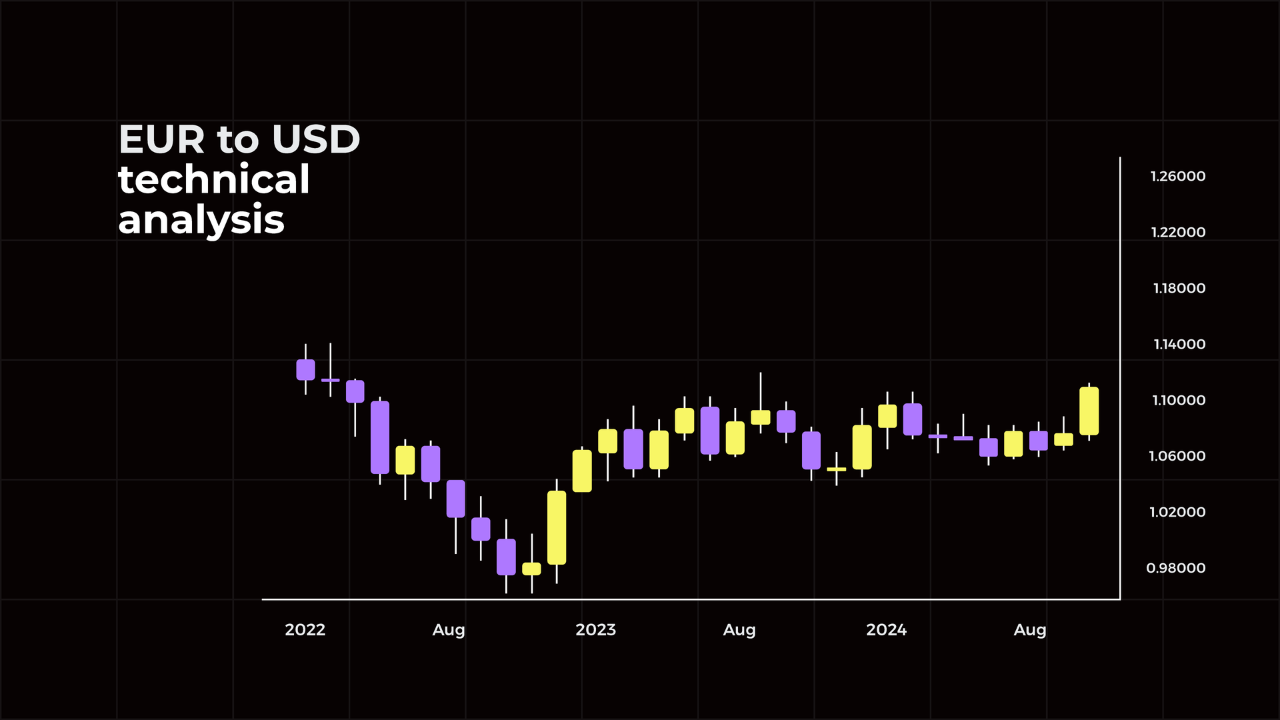
The euro traded around 1.158 against the dollar, with the dollar down 0.36%. A rate hike from the ECB gives the euro a yield-support argument, especially if traders believe the European central bank may remain focused on inflation.
If the ECB continues to sound firm while the Fed holds steady, EUR/USD may find support. If U.S. inflation keeps surprising higher and the Fed signals future hikes, the dollar could regain ground. The relative policy path between the ECB and Fed will remain a central driver for the pair.
Other Major Currencies Move Against the Dollar
The dollar also weakened against several other major currencies. The British pound traded at 1.341, with the dollar down 0.36%. The Japanese yen was at 159.946 per dollar, up 0.36% against the greenback. The Swiss franc strengthened to 0.795, up 0.61%, while the Australian dollar gained strongly, with the dollar down 0.70% against one unit of Australian currency.
These moves suggest the dollar’s weakness was broad rather than limited to one pair. Improved risk sentiment likely helped higher-beta currencies, while lower escalation risk reduced some demand for dollar safety.
The yen’s move is also important because USD/JPY remains near the sensitive 160 level. Any dollar weakness can provide temporary relief to Japanese authorities concerned about yen depreciation. However, the yen remains close enough to intervention-sensitive territory that traders will continue watching official comments.
The Canadian dollar moved differently, with the U.S. dollar trading at 1.396, down 0.18% against the Canadian currency. Since Canada is closely tied to energy markets, oil-price moves can affect CAD direction, but the source only provides the exchange-rate move and broader oil context.
Geopolitical Risk Is Not Fully Gone
Despite the dollar’s decline, the geopolitical backdrop remains unstable. The source report described a sequence of rapid escalation and de-escalation: Trump first suggested a U.S.-Iran deal could happen soon, later warned of a heavy response after Iran allegedly downed a U.S. Apache helicopter, and then said the planned strikes were called off after a peace proposal was approved.
This kind of headline volatility can make currency markets highly reactive. Traders may reduce dollar exposure after positive diplomatic news, but they may quickly rebuild safe-haven positions if tensions return.
That is why the dollar forecast should remain cautious. The market is currently pricing lower escalation risk, but the situation still depends on whether the peace proposal is signed, implemented, and accepted by all major parties.
If the deal fails to materialize, oil prices could rebound, inflation concerns could return, and the dollar may strengthen again. If the deal proceeds smoothly, the dollar may continue losing some of its geopolitical support.
What Traders Should Watch Next
The first signal is the official timing and signing location of the U.S.-Iran deal. The report said these details would be announced shortly. Confirmation would likely support risk sentiment and pressure the dollar further.
The second signal is oil prices. Continued weakness in crude could ease inflation fears and reduce safe-haven demand. A rebound would likely complicate the picture.
The third signal is Fed guidance at the June 16-17 meeting. Since markets heavily expect a hold, traders will focus on language around inflation, jobless claims, producer prices, and future rate risks.
The fourth signal is the ECB’s follow-through. The euro may continue gaining support if markets believe the ECB remains committed to fighting inflation.
The fifth signal is U.S. economic data. Producer inflation remains elevated, but jobless claims are rising. The dollar’s next trend may depend on which side of that equation becomes more dominant.
FAQ
Why did the U.S. dollar move lower?
The U.S. dollar moved lower because hopes for an imminent U.S.-Iran deal improved market sentiment and caused crude oil prices to fall. Lower oil prices reduced some inflation concerns and weakened safe-haven demand for the dollar, pushing the Dollar Index down to 99.69.
How does the U.S.-Iran deal affect the dollar forecast?
A confirmed U.S.-Iran deal could reduce geopolitical risk, support risk appetite, lower oil prices, and reduce demand for the dollar as a safe haven. If the deal collapses or tensions return, the dollar could regain support from defensive flows and renewed inflation concerns.
Why does producer inflation matter for the dollar?
Producer inflation matters because it can signal future consumer price pressure. May producer prices rose 1.10% month-on-month and annual producer inflation reached 6.50%. Traders can follow the economic calendar for upcoming market events to track inflation and Fed-related releases.
What should forex traders watch next?
Forex traders should watch the Dollar Index, U.S.-Iran deal confirmation, oil prices, jobless claims, producer inflation, ECB policy, and the Fed’s June 16-17 meeting. The dollar may stay under pressure if risk sentiment improves, but sticky inflation could limit further downside.