The forex market outlook is being reshaped by renewed Middle East tensions, rising energy costs, and shifting interest-rate expectations across major currencies. According to the original Dow Jones Newswires market update published through TradingView, investors raised the probability of a Bank of England rate increase after oil prices rose, while the Norwegian krone gained support from higher yields, elevated energy prices, and stronger inflation data.
The broader message is clear: energy prices are once again influencing currency markets through inflation, household behavior, central-bank expectations, and risk sentiment. In Germany, around two-thirds of residents are reportedly taking steps to cut energy use as rising prices linked to the Middle East conflict pressure household budgets. That shows how the energy shock is not limited to traders watching oil charts. It is also changing consumer behavior in one of Europe’s largest economies.
At the same time, currency markets are adjusting quickly. Sterling faces a complicated setup as investors price a higher chance of a Bank of England rate rise but also weigh political and fiscal risks. The Norwegian krone is gaining attention because Norway benefits from higher oil and gas prices and now offers stronger yield support. The U.S. dollar could weaken if risk appetite improves, but that view depends heavily on upcoming data and Federal Reserve expectations.
Energy Prices Are Back at the Center of Forex Markets
Energy prices matter for currencies because they influence inflation and trade balances. When oil and gas prices rise, energy-exporting countries can benefit, while energy-importing economies face higher costs. This creates different pressures across currencies.
For Europe, higher energy prices can be especially sensitive. Germany’s reported energy-saving behavior shows that households are reacting directly to rising prices. According to the survey cited in the source update, 52% of Germans are taking steps to reduce electricity use, 55% are turning down heating, and 47% are using less hot water. Among drivers, 48% are using their vehicles less often, with many shifting toward bicycles and public transportation.
That kind of behavior matters for the euro-area outlook. If households reduce energy use because prices are too high, consumer demand may weaken. Lower household spending can pressure growth, but higher energy costs can still keep inflation elevated. This is a difficult mix for central banks because it creates both growth risk and price pressure.
For forex traders, this creates a more selective market. Currencies linked to energy production may perform better, while currencies tied to energy-importing economies may face more pressure unless their central banks respond with higher rates.
Bank of England Rate Expectations Move Higher
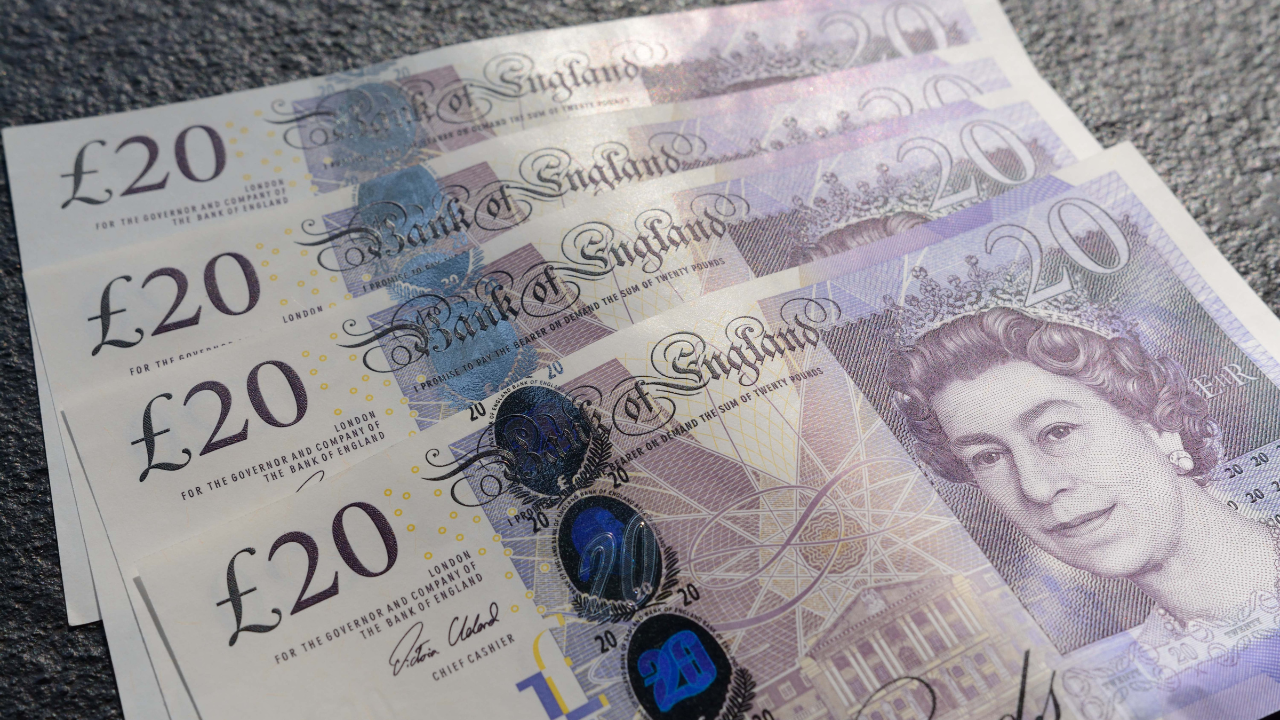
One of the most important signals in the update came from U.K. rate expectations. Investors raised the probability of a quarter-point Bank of England rate increase at the June policy meeting to 45%, up from 31% the previous week, according to LSEG data cited in the report.
That shift came as President Trump rejected Iran’s response to U.S. proposals to end the conflict, lowering expectations for a near-term resolution and pushing oil prices higher. For the U.K., higher oil prices can create renewed inflation pressure. If inflation risks rise again, the Bank of England may face pressure to keep policy tighter or even raise rates.
In theory, higher rate expectations can support sterling. A higher policy rate makes a currency more attractive to yield-seeking investors. However, the sterling outlook is not straightforward. Morgan Stanley strategists warned that sterling could underperform some non-dollar currencies because investors may prefer higher-yielding alternatives while remaining alert to U.K. fiscal and political risks.
That means sterling may receive support from BOE policy expectations but still struggle against currencies with stronger yield, cleaner macro stories, or better commodity exposure.
Sterling Faces Competition From Higher-Yielding Currencies
Sterling remains supported by the Bank of England’s policy rate, but that support may not be enough in the current global environment. Morgan Stanley noted that carry trades are becoming more attractive. Carry trades involve borrowing in lower-yielding currencies and investing in higher-yielding ones.
In this environment, investors may prefer currencies such as the Norwegian krone or Australian dollar over sterling. These currencies can offer yield support while also benefiting from commodity exposure or stronger macro divergence.
Sterling also faces risk-premium concerns. Investors are watching the U.K. fiscal and political outlook, including potential increases in gilt term premium. If U.K. government bond investors demand more compensation for long-term risk, sterling could face pressure even if the BOE remains relatively hawkish.
This is why the pound may not be the cleanest beneficiary of higher energy-driven inflation. Higher oil prices can raise BOE rate expectations, but they can also squeeze consumers, weaken growth, and increase policy uncertainty. That leaves sterling in a mixed position.
For broader coverage of currency-market moves, rate expectations, and macro risks, Finprozone latest market news provides regular updates across forex, commodities, equities, and economic data.
Norwegian Krone Gains a Stronger Story
The Norwegian krone is one of the more interesting currencies in the current forex market outlook. Norway is a major oil and gas producer, which means higher energy prices can improve the country’s external position. At the same time, Norges Bank unexpectedly raised interest rates last week, increasing the krone’s yield appeal.
Morgan Stanley strategists said the krone’s attractiveness has increased and that the currency still has room to outperform. The bank also recommended buying the krone against sterling, citing favorable economic divergence, higher yields, and a near-zero correlation to risk appetite.
That final point is important. The Norwegian krone is often considered a risk-sensitive currency, meaning it can weaken when global risk appetite deteriorates. However, if it is supported by higher oil prices and stronger domestic rates, it may behave differently from a typical risk currency.
The krone also traded close to its highest level against the Swedish krona in nearly two years. Norway benefits from higher oil and gas prices, while Sweden is a net oil importer. That creates a clear divergence between the two Nordic currencies.
Norway-Sweden Divergence Highlights Energy Sensitivity
The Norwegian krone’s move against the Swedish krona shows how energy exposure can create currency divergence even between neighboring economies. Norway produces oil and gas. Sweden imports oil. When energy prices rise, Norway’s terms of trade can improve, while Sweden faces higher import costs.
The report noted that Norway’s core inflation rose to 3.2% in April, increasing expectations that Norges Bank could raise rates further. Meanwhile, Sweden’s Riksbank is expected to keep rates on hold. That widens the policy divergence between the two countries.
For forex traders, this creates a clear relative-value argument. If one country benefits from higher energy prices and offers rising rate expectations, while another faces import costs and steady rates, the energy exporter’s currency can gain.
This does not eliminate volatility. The krone can still be affected by global risk sentiment, liquidity conditions, and positioning. But the current combination of energy support, higher yields, and trimmed long positions gives the currency a stronger tactical setup.
Dollar Outlook Depends on Risk Sentiment and U.S. Data
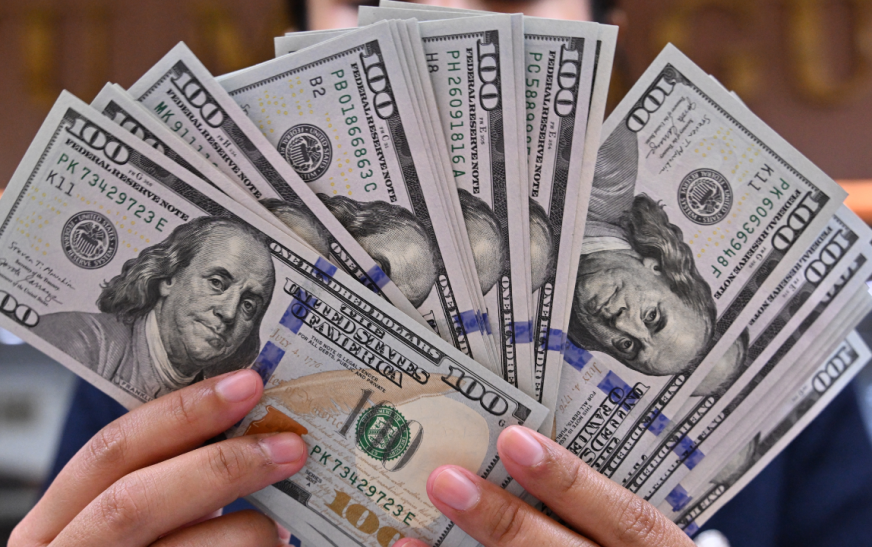
The U.S. dollar outlook remains finely balanced. Morgan Stanley strategists said the dollar could weaken in coming months if risk appetite improves. Strong U.S. earnings have supported equity markets, and positive risk sentiment can reduce demand for the dollar as a defensive asset.
The DXY dollar index was trading around 97.903 in the report, with Morgan Stanley expecting it to reach 95.000. That would imply a weaker dollar over time.
However, this view depends heavily on U.S. data. If upcoming data is too weak, earnings expectations could be revised lower, damaging risk appetite. If data is too strong, markets may revive discussion of Federal Reserve rate increases, which could support the dollar.
This is the core tension for the dollar. A moderate U.S. growth environment with strong corporate earnings and no major Fed tightening fears could weaken the dollar as investors move into risk assets. But an environment of either recession fear or renewed Fed hawkishness could support the dollar.
For forex traders, that means the dollar may not move on one simple factor. It will respond to the balance between growth, inflation, Fed expectations, and risk appetite.
Canadian Dollar Faces a Policy Contradiction
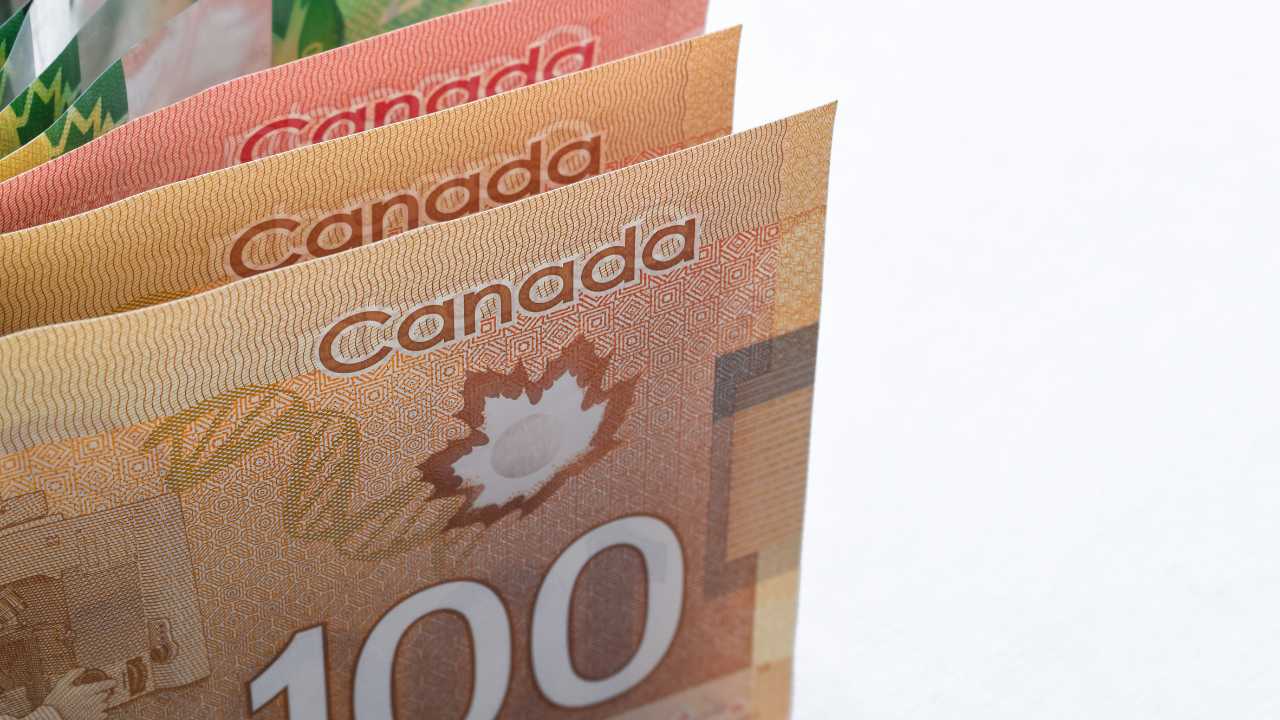
The Canadian dollar also appears in a complicated position. Fixed-income traders have priced in the likelihood of at least two Bank of Canada rate increases before the end of 2026, according to the update. However, economist David Rosenberg argued there is “no way” the Bank of Canada can raise rates amid a softening labor market.
That disagreement matters. Canada is an oil producer, so higher energy prices can support the Canadian dollar. But if the domestic labor market is weakening, the Bank of Canada may find it difficult to tighten policy. Rosenberg noted that Canada lost 112,000 net jobs in the first four months of 2026 and argued that without the oil-price shock, the central bank would likely be discussing rate cuts.
This creates a tension between market pricing and economic fundamentals. Traders may price rate hikes because energy prices raise inflation risks. Economists may push back because weak employment suggests the economy is losing momentum.
For the Canadian dollar, the outcome depends on which force dominates. If oil prices and inflation risks remain high, the loonie may receive support. If labor weakness becomes more important, rate-hike expectations may fade and pressure the currency.
Credit Markets Show Caution
Currency markets are not the only area reacting to Middle East tensions. The update also noted that the cost of default protection for euro investment-grade credit rose as investors took precautions. The iTraxx Europe Main index increased by 1 basis point to 57 basis points.
This is not a dramatic move, but it shows that investors are monitoring the potential global economic impact of prolonged tensions. Credit spreads can widen when investors demand more compensation for risk.
For forex markets, credit stress can influence risk appetite. If credit concerns grow, investors may move toward safe-haven currencies and reduce exposure to higher-beta currencies. If credit markets remain stable, risk-sensitive currencies may perform better.
This is why traders should monitor more than spot FX. Bond markets, credit spreads, oil prices, and equity sentiment all feed into currency behavior.
Germany’s Energy Cuts Signal Consumer Pressure
The German energy-use survey is important because it shows how macro shocks reach households. Rising energy prices do not only appear in inflation data. They change daily behavior.
If consumers turn down heat, use less hot water, cut electricity consumption, and drive less, it suggests household budgets are under pressure. Over time, that can affect retail spending, travel, services demand, and political sentiment.
For the euro, the impact is mixed. Lower energy consumption may reduce some demand pressure, but high prices still hurt real income. If growth weakens while inflation stays elevated, the European Central Bank faces a difficult policy trade-off.
This makes the euro’s outlook dependent not only on ECB rate expectations but also on how households and businesses adapt to energy costs. If the energy shock deepens, eurozone growth expectations may come under pressure.
Market Takeaway: Energy Is Driving Policy Divergence
The current forex market outlook is being shaped by energy risk more than ordinary economic data alone. Rising oil and gas prices are lifting inflation concerns, influencing central-bank expectations, and separating energy exporters from importers.
The Norwegian krone stands out because it benefits from higher energy prices and stronger rate support. Sterling is more mixed because BOE rate expectations are rising, but political and fiscal risks remain. The dollar may weaken if risk appetite improves, but U.S. data must remain balanced. The Canadian dollar faces a conflict between oil-driven inflation risks and a softening labor market. The euro remains exposed to household energy pressure, especially in Germany.
For traders, this is not a simple risk-on or risk-off currency market. It is a relative macro market where energy exposure, rate expectations, and domestic resilience matter more than broad labels.
FAQ
Why are energy prices important for the forex market outlook?
Energy prices affect inflation, household spending, trade balances, and central-bank expectations. Energy exporters may benefit from higher prices, while importers face higher costs. This can create major currency divergence, especially when central banks respond differently to inflation pressure.
Why could the Bank of England raise rates?
Investors raised BOE rate-hike expectations because higher oil prices linked to Middle East tensions could increase inflation pressure. If inflation risks rise, the Bank of England may decide that tighter policy is needed, even if growth conditions remain uncertain.
Why is the Norwegian krone gaining attention?
The Norwegian krone is gaining attention because Norway is a major oil and gas producer, Norges Bank unexpectedly raised rates, and core inflation increased. Higher energy prices and stronger yields make the krone more attractive relative to some other G-10 currencies.
Could the U.S. dollar weaken from here?
The U.S. dollar could weaken if risk appetite improves and U.S. data remains balanced. However, if data is too weak and hurts earnings expectations, or too strong and revives Fed rate-hike concerns, the dollar could remain supported.
How should traders follow forex market signals now?
Traders should follow energy prices, rate expectations, inflation data, labor-market reports, and credit-market stress. For structured market monitoring and deeper analysis, use market tools and trading resources to track currency and macro developments.