The natural gas forecast weakened after U.S. natural gas futures gave back gains from the previous two sessions, with traders refocusing on weather models and the strength of summer cooling demand. The move showed how sensitive gas prices remain to short-term changes in temperature expectations, especially as the market moves deeper into the core summer demand period.
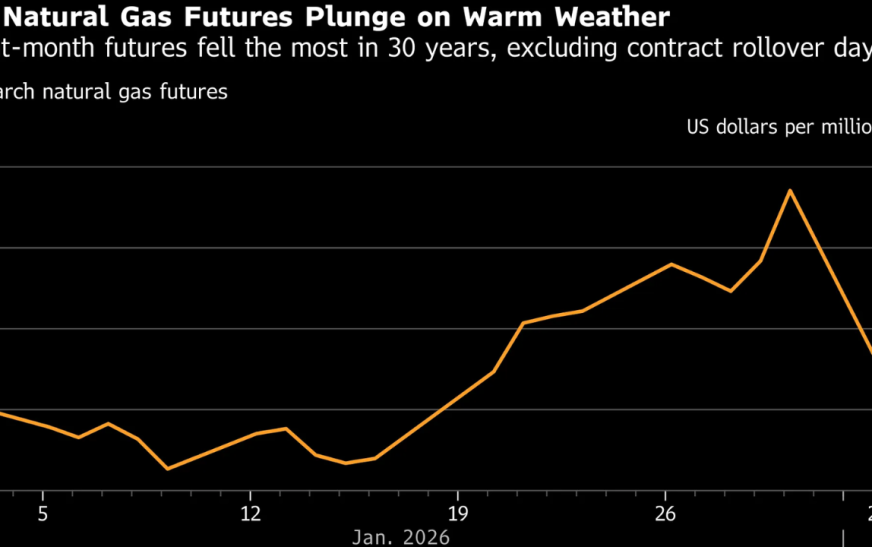
According to the original Dow Jones Newswires report published through TradingView, Nymex natural gas futures settled down 3.3% at $3.147 per million British thermal units. The decline came after midday weather models removed some heat from the outlook, even though forecasts still pointed to hot conditions heading into July.
The price action reflects a familiar seasonal pattern. In summer, U.S. natural gas demand is strongly tied to electricity consumption because hot weather increases air-conditioning usage. When weather models trend hotter, gas demand expectations can rise. When models remove heat, even slightly, futures can quickly lose support.
Natural Gas Futures Fall as Weather Models Shift
Natural gas futures fell because the market saw less heat in midday weather models. That matters because weather is one of the most important short-term drivers of U.S. gas prices during summer. Hotter weather can increase power-sector demand, while cooler revisions can reduce the urgency to buy futures.
The move was not a full rejection of the summer demand story. NatGasWeather.com said the outlook still remains hot moving into July. However, the market was disappointed because some heat was removed from the models. In natural gas trading, direction often matters as much as absolute temperature. A hot forecast that becomes slightly less hot can still pressure prices.
The decline also followed two sessions of gains, meaning some traders may have taken profits after the weather outlook softened. If bullish momentum had been built on expectations of stronger late-June heat, any cooler trend could create a quick reversal.
This is why natural gas remains a highly reactive futures market. Small changes in weather expectations can cause sharp moves, especially when prices are already positioned for a specific demand outcome.
Why Weather Drives the Natural Gas Forecast
Weather affects natural gas because gas is heavily used in power generation. During summer, households and businesses use more electricity for air conditioning. If temperatures rise across major population centers, utilities may burn more gas to meet power demand.
That makes cooling degree days a critical factor. Traders watch temperature forecasts across key regions, especially the South, Midwest, East Coast, and Texas. A widespread heatwave can tighten demand expectations quickly. A cooler shift can do the opposite.
The Dow Jones report noted that the market is looking mostly to weather to generate demand. That sentence captures the current setup clearly. If hot late-June and early-July weather arrives as expected, natural gas may find support. If the pattern trends cooler, prices could face disappointment.
This weather-driven structure is typical for the core summer months. As the market moves deeper into summer, each model update can influence expectations for storage injections, power burn, and price direction.
Nymex Gas Settles at $3.147/mmBtu
Nymex natural gas settled down 3.3% at $3.147/mmBtu. The settlement level is important because it places the market back under pressure after recent strength.
A move above $3 can still suggest that traders see some support from summer demand, but the reversal shows that the market is not willing to keep adding bullish premium without consistent heat. The $3 area often acts as a psychological reference point for natural gas traders, especially when the market is balancing weather demand against supply and storage conditions.
The decline also indicates that traders are not simply buying the hot July theme blindly. They want confirmation that forecasts will remain warm or trend hotter. If models keep losing heat, natural gas may struggle to sustain upside.
For futures traders, this means $3.147 becomes an important near-term reference. Holding above this area may suggest the market is still waiting for late-June heat. A deeper break lower could show that confidence in the summer demand rally is fading.
Hot Outlook Still Remains, but Confidence Weakens
NatGasWeather.com said the forecast still maintains a hot outlook moving into July. That means the bearish move was driven by a reduction in heat, not a complete shift to mild conditions. This distinction matters because the market may remain volatile rather than one-directionally bearish.
A hot late-June and early-July pattern could still support gas prices if it arrives without further cooling revisions. But if the forecast continues trending cooler, traders may view the previous bullish move as overextended.
Natural gas markets are forward-looking. Prices do not wait for actual weather to arrive. They move as models update. This creates a situation where futures can rise or fall before the demand is physically visible in electricity consumption data.
The risk for bulls is disappointment. If traders buy futures expecting stronger cooling demand and weather models fail to confirm that view, the market can unwind quickly. That appears to be what happened in the latest session.
Summer Cooling Demand Is the Main Bullish Catalyst
The bullish case for natural gas depends on summer cooling demand. If late June and early July turn hotter and remain hot, power-sector demand may increase. That could reduce storage injections or support stronger withdrawals later in the season.
Hot weather can be especially supportive if it affects multiple regions at once. A localized heatwave may lift demand regionally, but broad national heat can meaningfully change the supply-demand balance. Traders will therefore watch whether the hot pattern becomes widespread or remains limited.
The market also cares about duration. A short heat burst may support prices briefly, while a prolonged pattern can create a more durable bullish signal. NatGasWeather.com’s comment suggests that the market needs the late-June and early-July pattern to “come through” without trending cooler.
That gives traders a clear test. If the heat persists, natural gas futures may recover. If the models continue moderating, prices may struggle.
For broader updates on energy futures, commodities, and macro market trends, traders can follow Finprozone latest market news as weather-driven volatility continues shaping natural gas prices.
Why Cooler Model Shifts Can Trigger Sharp Selling
Natural gas is one of the most weather-sensitive commodity markets. Because demand can change quickly with temperature, traders react aggressively to model updates. A cooler shift does not need to be dramatic to move prices.
This is especially true after a two-session rally. If traders already positioned for heat-driven upside, a less bullish forecast can trigger position adjustment. Buyers may step back, short-term traders may take profits, and bearish traders may press the move.
The result can be a larger price reaction than the weather change itself might suggest. Natural gas futures often amplify small changes because the market is leveraged, fast-moving, and heavily model-driven.
This is why traders need to avoid treating one forecast update as the full story. Weather models can shift again. A cooler midday run may be followed by a hotter evening or next-day update. The market can reverse quickly if the forecast regains heat.
Storage Data Remains a Secondary Driver
Although the Dow Jones report focused on weather, storage data remains important for the broader natural gas forecast. Storage levels influence how much pressure the market can absorb. If storage is comfortable, weather needs to be very hot to sustain a rally. If storage is tight, even moderate heat can support prices.
When the market is mainly weather-driven, storage reports can confirm or challenge the demand narrative. A smaller-than-expected storage injection may suggest stronger power burn or tighter supply. A larger-than-expected build may weaken the bullish case.
The interaction between weather and storage is key. Hot forecasts create expectations. Storage data tests whether those expectations are showing up in physical balances.
For now, the latest move suggests weather is the dominant driver. But traders should not ignore storage because it can either reinforce or reverse the price impact of model changes.
Supply Conditions Also Matter
Natural gas prices are not driven only by demand. Supply matters as well. Strong U.S. production can limit rallies, even when weather is hot. If production remains high and storage is adequate, the market may require extreme or persistent heat to push prices materially higher.
On the other hand, any production disruption, pipeline constraint, or stronger LNG demand could make the market more sensitive to heat. In that scenario, weather-driven demand increases would have a larger price impact.
The source report did not point to supply as the main driver of the session. That means traders were reacting mostly to demand expectations. But the broader forecast still depends on the supply side.
If supply remains steady and weather models cool, the bearish pressure could continue. If heat returns and supply tightens, futures could rebound sharply.
Power Demand Is the Core Summer Link
The most direct link between weather and natural gas prices is power demand. Hot weather increases electricity use as air-conditioning demand rises. Gas-fired power plants often meet a large share of that demand.
This makes natural gas sensitive to electricity demand forecasts, regional heat indexes, humidity, and grid load expectations. A hot and humid pattern can be more supportive than dry heat because cooling demand may stay elevated even overnight.
Traders also watch whether heat hits high-population regions. Heat across Texas, the Southeast, the Midwest, or the Northeast can have different demand effects depending on population density, generation mix, and local grid conditions.
The current market wants confirmation that late June and early July will deliver enough heat to lift power burn materially. Without that confirmation, prices may remain under pressure.
Technical Outlook Turns More Cautious
The 3.3% decline puts the near-term technical outlook in a more cautious position. Futures gave back gains from the previous two sessions, showing that buyers were not willing to defend the rally after weather models softened.
The $3.147 settlement becomes the immediate reference point. If natural gas stabilizes near that level and weather models regain heat, prices could recover. If futures break lower, traders may begin questioning whether the summer demand premium was too high.
Momentum now depends on the next weather updates. A hotter revision could bring buyers back quickly. A cooler trend could extend selling pressure.
The technical picture is therefore tied directly to fundamentals. In natural gas, charts can change fast when weather models shift.
What Traders Should Watch Next
The first signal is late-June and early-July weather. If the hot pattern holds, natural gas may regain support. If it trends cooler, prices could weaken further.
The second signal is Nymex natural gas near $3.147/mmBtu. Holding this area may show that traders still see summer demand risk. A break below it could point to more downside.
The third signal is storage data. Smaller injections would support the bullish case, while larger builds would strengthen bearish sentiment.
The fourth signal is power burn. Higher electricity demand from air conditioning would confirm that heat is translating into physical gas consumption.
The fifth signal is production. Strong output can limit price rallies, while any supply softness can make weather demand more powerful.
FAQ
Why did natural gas futures fall?
Natural gas futures fell because midday weather models removed some heat from the forecast, even though the outlook remains hot into July. Nymex natural gas settled down 3.3% at $3.147/mmBtu after giving back gains from the previous two sessions.
Why is weather important for natural gas prices?
Weather is important because hot summer temperatures increase air-conditioning demand, which raises electricity use and can increase gas-fired power generation. If forecasts trend hotter, natural gas demand expectations rise. If forecasts cool, futures often lose support.
Can natural gas prices recover?
Natural gas prices can recover if late-June and early-July weather turns hotter and stays hot without further cooler revisions. Strong power burn, smaller storage injections, or supply constraints could also support a rebound.
What should natural gas traders watch next?
Natural gas traders should watch weather model trends, Nymex gas near $3.147/mmBtu, storage data, power-sector demand, and production levels. The market is likely to become more focused on weather patterns as the core summer demand season progresses.