

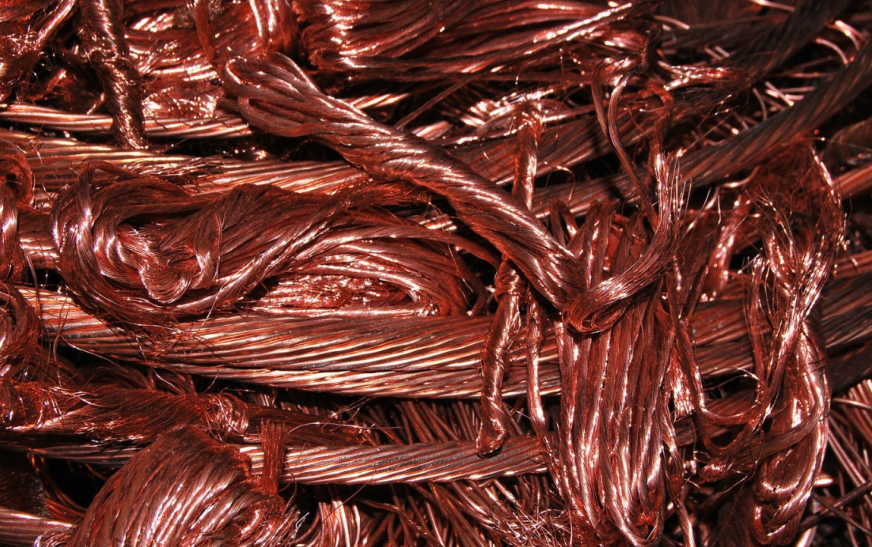
The copper price forecast has turned more bullish after the red metal climbed to a three-month high, supported by investor buying, supply concerns, and strong momentum across industrial metals. According to the original Reuters report published through TradingView, benchmark three-month copper on the London Metal Exchange rose 0.83% to $14,137.50 a metric ton after touching $14,196.50, its highest level in more than three months.
The move was also visible in China. The most-active copper contract on the Shanghai Futures Exchange closed daytime trading 1.67% higher at 108,510 yuan per ton after reaching 108,900 yuan, also an over three-month high. This confirms that the rally was not limited to one market. Both London and Shanghai showed strong buying interest, pointing to broad investor focus on supply risk and technical momentum.
Copper’s strength is notable because it is rising despite several macro headwinds. Oil prices remain elevated due to Middle East uncertainty, U.S. inflation came in stronger than expected, and markets have largely priced out the chance of a Federal Reserve rate cut this year. Normally, higher rates and a firmer dollar can pressure dollar-priced metals. Yet copper continues to advance, showing that supply concerns and momentum buying are currently dominating the market narrative.
Why Copper Prices Are Rising
Copper is rising because investors are focusing on future supply risk. The market is increasingly sensitive to any disruption involving major mines, energy availability, logistics, and production timelines. Copper is already a strategically important metal because it is used in construction, power grids, electric vehicles, renewable energy systems, electronics, and industrial machinery.
When traders believe future supply may not be enough to meet demand, prices can move sharply higher. That is what appears to be happening now. The Reuters report noted that investors continued buying copper over supply concerns, while analysts at Galaxy Futures said copper had broken out of a prolonged trading range and moved above $13,500 per ton with little resistance on the upside.
That technical breakout is important. Once a commodity clears a long-standing range, momentum traders often enter the market. This can push prices higher quickly, especially if there are limited resistance levels nearby. In copper’s case, stronger sentiment and momentum buying helped extend the rally.
The result is an eight-day winning streak, even though the broader macro backdrop is not ideal for industrial metals.
Supply Concerns Are Driving the Market
Supply concerns are now the main driver of the copper price forecast. Investors are watching several key issues, including mining recovery timelines, fuel risks, production disruptions, and geopolitical pressures.
Freeport-McMoRan maintained its end-2027 timeline for full recovery at its Grasberg mine in Indonesia. Grasberg is one of the world’s most important copper and gold mining operations, so any uncertainty around production recovery can influence market expectations.
Traders are also monitoring risks in Peru’s mining industry after state-run Petroperu sought $2 billion in state-backed loans. Peru is a major copper-producing country, and risks linked to fuel supply, logistics, or state-linked energy infrastructure can affect mining operations. If fuel availability becomes uncertain, mining activity can face disruption, raising concerns about output.
Copper markets tend to react strongly to supply headlines because new mine supply is difficult to bring online quickly. Unlike some manufactured goods, copper production cannot be increased overnight. Mines require long development timelines, heavy capital investment, environmental approvals, labor stability, infrastructure, and reliable energy. This makes the market vulnerable when supply risks appear.
Copper Breaks Out of Its Trading Range
The technical picture has improved sharply. Analysts cited in the source report said copper broke out of a prolonged trading range and moved above $13,500 per ton with little resistance on the upside. This kind of breakout can change market psychology.
A prolonged trading range often reflects indecision. Buyers and sellers test the same levels repeatedly, but neither side controls the trend. When price finally breaks above the range, traders may interpret it as confirmation that demand is strong enough to absorb available supply.
That can lead to momentum buying. Traders who were waiting for confirmation may enter once the breakout occurs. Short sellers may also close positions, adding further buying pressure. This can create a fast move higher, especially in a market where supply concerns are already present.
Copper reaching more than $14,100 per metric ton shows how quickly sentiment can change once a major level is cleared. The next question is whether the breakout can hold. If prices remain above the prior range, the bullish case strengthens. If copper falls back below breakout levels, traders may question whether the move was overextended.
Why “Dr. Copper” Still Matters
Copper is often called “Dr. Copper” because of its reputation as a barometer for the global economy. The nickname comes from copper’s broad use across industrial activity. When copper demand is strong, it can suggest healthy construction, manufacturing, infrastructure, and energy investment. When copper weakens, it can signal slowing economic momentum.
However, copper’s current rally is not purely a demand story. The metal is rising despite unfavorable macro conditions, which suggests supply risk and market positioning are doing much of the heavy lifting.
This distinction matters. A demand-led copper rally usually reflects stronger global growth expectations. A supply-led copper rally may reflect scarcity, disruption, or fear that available metal will not be enough. The current move appears closer to the second category, although long-term demand themes remain supportive.
Investors should therefore avoid reading copper’s rally as a simple signal that the global economy is accelerating. It may instead indicate that supply concerns are becoming serious enough to outweigh higher rates and dollar strength.
For broader coverage of commodities, inflation, forex, and market-moving economic data, Finprozone latest market news provides regular updates on the forces shaping metals and global markets.
Inflation and Higher Rates Create a Challenging Backdrop
Copper’s rally is happening while U.S. inflation remains a concern. The report noted that U.S. consumer prices rose 3.8% in the 12 months through April, the biggest increase since May 2023. That stronger inflation reading has reduced expectations for near-term Federal Reserve easing.
Markets have largely priced out any chance of a Fed rate cut this year. This usually creates pressure for industrial metals because higher interest rates can raise financing costs, strengthen the U.S. dollar, and reduce risk appetite.
A stronger dollar matters because copper is priced internationally in dollars. When the dollar rises, copper becomes more expensive for buyers using other currencies. Higher rates can also slow industrial activity by making borrowing more expensive for companies and consumers.
Yet copper is still rising. That is what makes the move important. The market is essentially saying that supply concerns are strong enough to offset macro pressure for now. This does not mean rates no longer matter. It means supply risk currently has greater influence over price direction.
Oil Prices Add Another Layer of Pressure
Oil prices remain elevated, with Brent above $106 a barrel despite slipping slightly on Wednesday. The market is watching a fragile ceasefire in the Iran war and awaiting a meeting between U.S. President Donald Trump and Chinese President Xi Jinping.
High oil prices affect copper in several ways. First, they raise energy costs for mining and refining operations. Copper production is energy-intensive, so higher fuel and electricity costs can increase operating expenses.
Second, higher oil prices feed into inflation. If energy-driven inflation stays high, central banks may keep interest rates elevated. That can pressure metals through tighter financial conditions.
Third, oil-related geopolitical risk can affect global risk sentiment. If investors become more cautious, metals may face volatility. However, in copper’s case, energy-related supply concerns can also support prices if traders fear mining or transport disruptions.
This creates a complicated market. High oil is not automatically bullish or bearish for copper. It can hurt demand through inflation and rates, but it can also increase production risk and support the supply-risk premium.
China’s Role in Copper Demand
China remains central to the copper market because it is one of the world’s largest consumers of industrial metals. The strong move in Shanghai copper futures shows that Chinese traders are actively participating in the rally.
Copper demand in China is tied to infrastructure, construction, manufacturing, power grids, electric vehicles, electronics, and renewable energy investment. Any improvement in Chinese industrial sentiment can support prices, while weaker property or manufacturing data can limit upside.
The Reuters report noted that investors were awaiting the meeting between President Trump and Chinese President Xi Jinping. This matters because U.S.-China relations can influence trade expectations, industrial sentiment, and commodity demand. If the meeting reduces uncertainty, copper could benefit from improved risk appetite. If tensions rise, the market could become more volatile.
Shanghai copper reaching an over three-month high suggests that domestic sentiment in China is supportive, at least in the short term. But traders will still need confirmation from demand indicators, inventory levels, and policy signals.
Other Base Metals Join the Rally
Copper was not the only metal moving higher. The report showed gains across the broader industrial metals complex. On the London Metal Exchange, aluminium gained 1.07%, zinc added 0.45%, lead rose 0.55%, nickel increased 1.04%, and tin advanced 1.46%.
Shanghai metals also strengthened. Aluminium rose 0.97%, zinc climbed 1.78%, lead ticked 0.15% higher, nickel added 0.17%, and tin gained 0.99%.
This broad move suggests that investor appetite for base metals is improving, not just copper specifically. However, copper remains the headline metal because of its scale, macro importance, and strong supply narrative.
A broad metals rally can reinforce momentum. When multiple base metals rise together, commodity funds and macro traders may increase exposure to the sector. That can support further upside if the trend continues.
Still, broad rallies can also become vulnerable if macro conditions shift. A stronger dollar, weaker China data, or a sudden reduction in geopolitical risk could trigger profit-taking across the complex.
What Could Push Copper Higher?
Copper could continue rising if supply risks intensify or if demand signals improve. Further disruption concerns in major producing countries such as Indonesia, Peru, Chile, or the Democratic Republic of Congo could support prices. Any evidence of lower inventories or stronger physical premiums would also help.
A weaker U.S. dollar could provide another boost. If the dollar softens, copper becomes more attractive to international buyers. A more constructive U.S.-China tone could also improve sentiment, especially if investors believe trade or industrial demand risks are easing.
Momentum itself can also support prices. If copper holds above its breakout zone and continues making new highs, technical traders may remain active. In fast-moving commodity markets, trend-following strategies can add fuel to a rally.
The strongest bullish setup would combine tight supply, stronger Chinese demand, a softer dollar, and continued investor inflows into industrial metals.
What Could Pressure Copper Prices?
Copper could face pressure if the breakout fails, the dollar strengthens further, or macro data raises fresh concerns about global growth. Higher-for-longer rates remain a real risk because they can reduce demand for industrial materials and make financing more expensive.
If U.S. inflation remains sticky, the Federal Reserve may keep policy tight. That could support the dollar and weigh on metals. If China data disappoints, traders may question whether demand can justify current prices.
Supply concerns could also ease. If mining risks in Peru stabilize, Grasberg recovery expectations remain on track, or inventories rise, some of the supply-risk premium could fade.
Another risk is profit-taking. Copper has gained for eight straight sessions. After such a strong run, traders may lock in gains, especially if prices approach technical resistance or if broader markets become more cautious.
Market Takeaway: Copper Momentum Is Strong, but Macro Risks Remain
The copper price forecast has improved because investors are buying aggressively on supply concerns while technical momentum supports the rally. Prices on both the LME and Shanghai exchanges reached more than three-month highs, confirming broad market participation.
The strongest bullish signal is that copper is rising despite higher U.S. inflation, reduced Fed rate-cut expectations, and a firmer dollar backdrop. That shows supply risk is powerful enough to dominate the near-term narrative.
However, the rally is not risk-free. Higher rates, elevated oil prices, a stronger dollar, and uncertain demand conditions can still create volatility. Copper’s breakout is constructive, but traders need confirmation that prices can hold above the prior range and that supply concerns remain active.
For now, the red metal has momentum. The next test is whether that momentum can survive a difficult macro environment.
FAQ
Why did copper prices rise to a three-month high?
Copper prices rose because investors continued buying over future supply concerns. The market also broke out of a prolonged trading range, triggering momentum buying. Risks linked to major mining regions and elevated energy costs added support.
Why is copper called Dr. Copper?
Copper is called Dr. Copper because it is widely used across construction, manufacturing, power grids, electronics, and infrastructure. Its price is often seen as a signal of global industrial activity and broader economic health.
How do higher interest rates affect copper?
Higher interest rates can pressure copper by raising financing costs, slowing economic activity, and supporting the U.S. dollar. Since copper is priced in dollars, a stronger dollar can make it more expensive for international buyers.
What role does China play in copper demand?
China is one of the world’s largest copper consumers. Its demand is tied to infrastructure, construction, manufacturing, power grids, electric vehicles, and renewable energy. Strong Shanghai copper prices suggest Chinese market participation is supporting the rally.
How should traders follow the copper price forecast?
Traders should track supply disruptions, China demand data, LME and Shanghai price action, U.S. inflation, Fed expectations, and dollar movement. For scheduled data and macro events, use the economic calendar for upcoming market events to plan around key catalysts.










1 Comment
[…] China is one of the most important demand drivers in global soybean trade. When Chinese buying is visible, U.S. soybean futures can find support even when domestic crop conditions are favorable. When Chinese demand is absent or uncertain, the market often becomes more vulnerable to weather pressure and supply expectations. […]
Comments are closed.