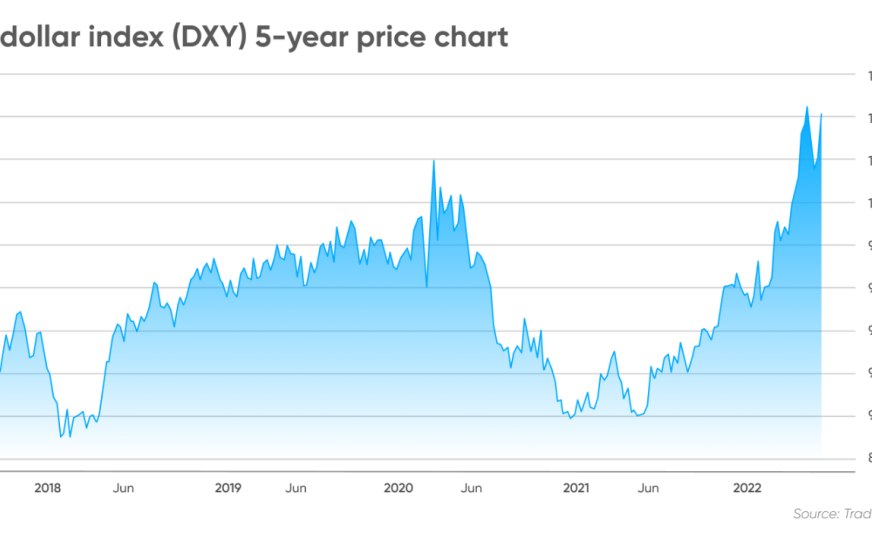
The dollar forecast jumped after the U.S. Dollar Index hit a yearly high. This rise came from hawkish signals from the Federal Reserve, solid U.S. economic data, and growing hopes for another interest rate hike this year. The move pressured major currencies. The euro and pound fell to two-month lows. The Japanese yen also declined, nearing levels that often raise intervention risks.
The dollar index climbed 0.45% to 100.80, reaching its highest level since May 2025, according to a Reuters report on TradingView. This followed a jump of 0.85% in the last session. The rally came after the Federal Reserve decided to keep rates steady at 3.50% to 3.75%. Updated projections revealed that almost half of the policymakers expect a rate hike this year.
The latest shift shows that the dollar’s strength comes from interest-rate changes, not just safe-haven demand. The U.S.-Iran deal lowered oil prices and eased some geopolitical tension. Still, the dollar rose. Traders concentrated on U.S. growth, ongoing inflation risks, and the Fed’s hawkish policy update.
Fed’s Hawkish Hold Changes the Dollar Outlook
The Federal Reserve kept rates unchanged, but the market interpreted the decision as hawkish. A hold is usually neutral or even mildly dovish if investors expect rate cuts later. This time, updated projections showed that many policymakers think another rate hike could happen in 2026.
This is important for the dollar forecast. Currencies react strongly to expected differences in interest rates. If U.S. rates are likely to rise and other central banks are careful, the dollar looks better compared to currencies with lower yields. This can pull capital toward dollar assets and support the DXY index.
The Fed funds futures market is now pricing a 68% chance of a rate hike by September, according to LSEG data cited by Reuters. This repricing is significant. It changes the debate from whether the Fed will stop tightening to whether another hike might happen sooner than expected.
Kevin Warsh’s first meeting as Fed chair also added significance. He didn’t give a personal rate view. The policy review and new forecasts made traders believe that the central bank still fears inflation. For markets, the message was clear: the Fed is not ready to declare the tightening cycle finished.
Strong U.S. Data Supports the Greenback
The dollar’s advance was also supported by stronger U.S. economic data. Reuters reported that the last three payroll reports showed job gains each month. These gains were much higher than what economists expected. Thursday’s data also showed that unemployment benefit claims fell last week, suggesting layoffs remain low.
This combination gives the dollar a strong macro foundation. A strong labor market means the Fed may not need to cut rates soon. It also raises the chance that policymakers can maintain strict policies. If employment remains strong while inflation concerns persist, the Fed has more room to consider another hike.
Sarah Ying, head of FX strategy at CIBC Capital Markets, noted that U.S. data has been unexpectedly strong since late April. She added that the Fed was as hawkish as the market expected. She added that there is room for the greenback to strengthen further.
That view reflects the current market mood. Traders are not only reacting to the Fed’s latest decision. They are also responding to a broader pattern of U.S. economic resilience. Stronger data makes the dollar tougher to sell. This is true, especially when other economies deal with slower growth, policy uncertainty, or weaker rate support.
For the latest on currency changes, central bank policies, and economic data, check Finprozone latest market news. Rate expectations keep shaping major forex pairs.
DXY Breakout Puts 100.80 in Focus
The U.S. Dollar Index reaching 100.80 is technically important because it marks the highest level since May 2025. The previous session’s 0.85% jump was also the dollar’s largest one-day gain in more than three months, showing that the move was not gradual or hesitant.
Lee Hardman, senior currency analyst at MUFG, said the Fed’s hawkish policy update is threatening to trigger a bullish breakout for the U.S. dollar. He noted that the dollar got support from a big rise in short-term U.S. rates. This more than balanced out the negative effect of the U.S.-Iran deal announcement.
This is the central market tension. The U.S.-Iran deal lowered oil prices and should theoretically reduce inflation pressure. But the Fed’s hawkish tone and strong U.S. data are currently more powerful drivers. Traders are prioritizing rate expectations over the easing of energy-market stress.
The next test for DXY is whether it can hold above 100. A sustained move above that level would reinforce the bullish dollar case. A quick reversal would suggest that the move was overextended and vulnerable to profit-taking.
Euro and Pound Fall to Two-Month Lows
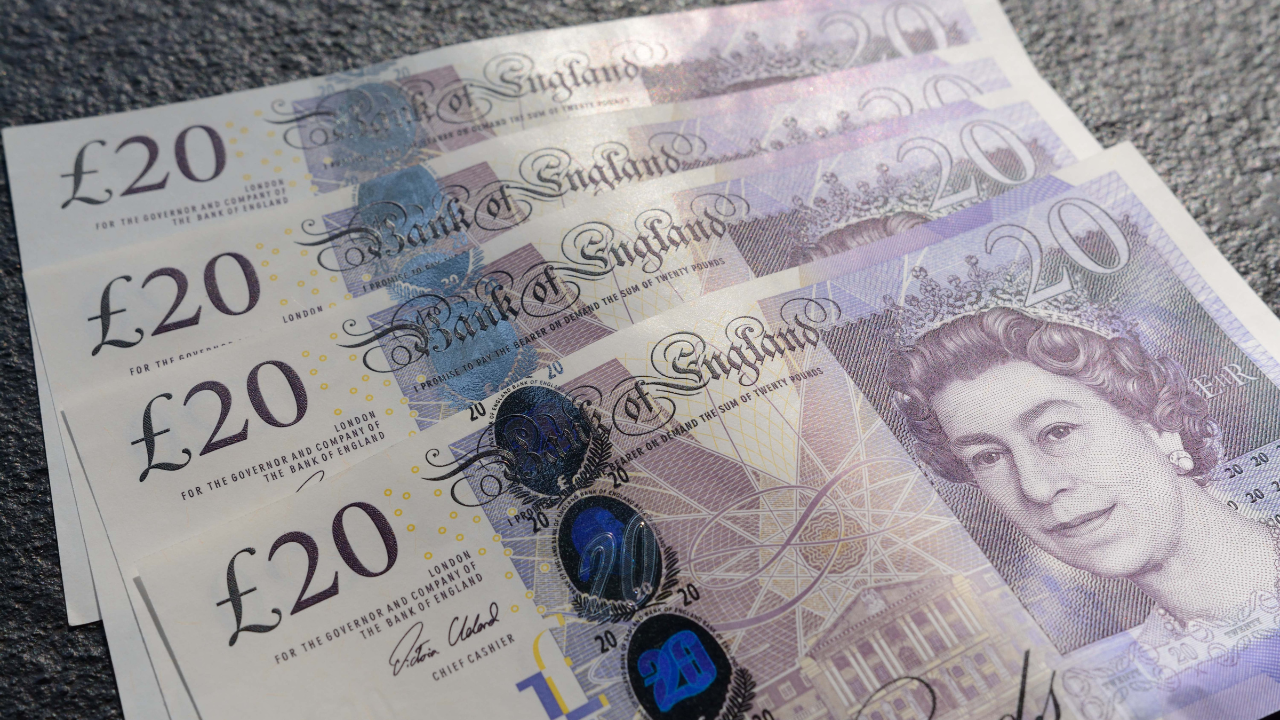
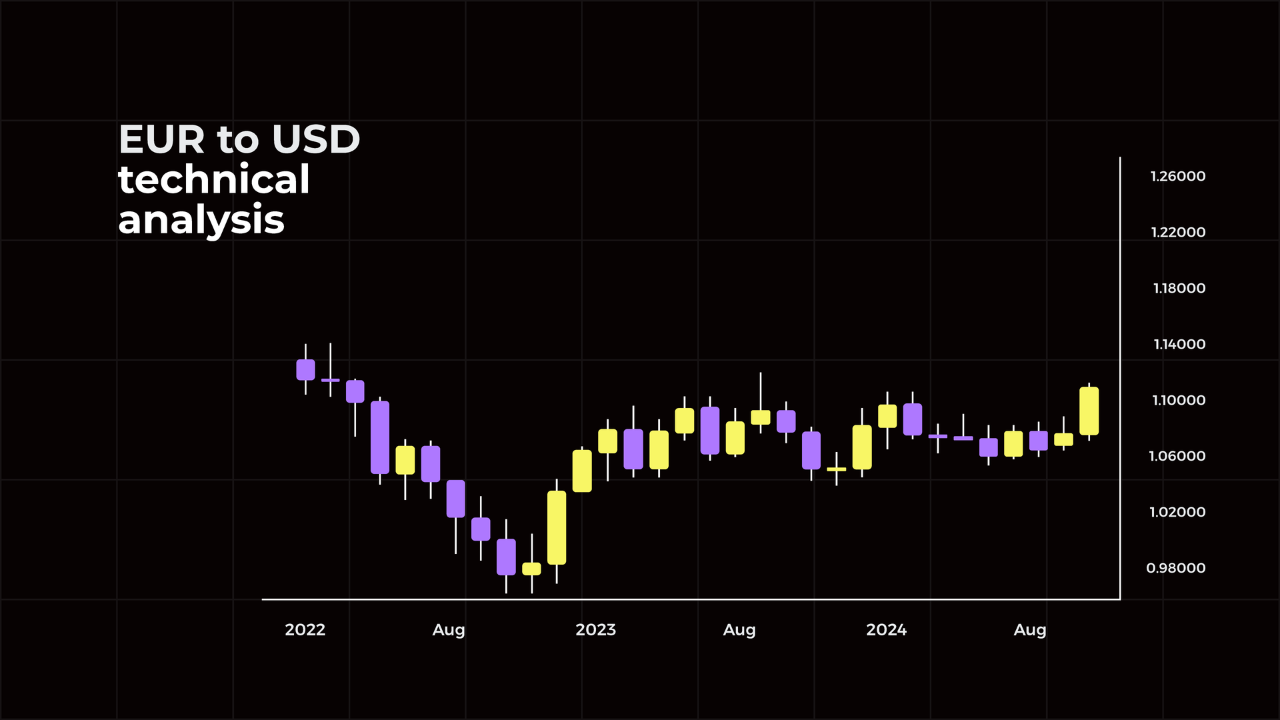
The euro fell 0.31% to $1.1463, while sterling declined 0.62% to $1.3206. Both currencies reached their lowest levels in more than two months, showing that dollar strength was broad and not limited to one pair.
The euro’s weakness reflects a relative policy disadvantage. If the Fed is likely to raise rates again, and Europe’s outlook is weaker, EUR/USD might find it hard to gain upward momentum. Traders feel more confident that U.S. data and Fed forecasts are helping the dollar. This is true, even with ongoing concerns about inflation in Europe.
Sterling also weakened after the Bank of England kept interest rates unchanged at 3.75%. A hold from the BOE, combined with a hawkish Fed outlook, widened the relative support for the dollar. When the Fed sounds more restrictive than the BOE, GBP/USD can come under pressure.
For currency traders, the moves of the euro and pound show that the market isn’t just buying the dollar against weak currencies. It is repricing the entire developed-market rate outlook in favor of the greenback.
Yen Weakness Raises Intervention Risk
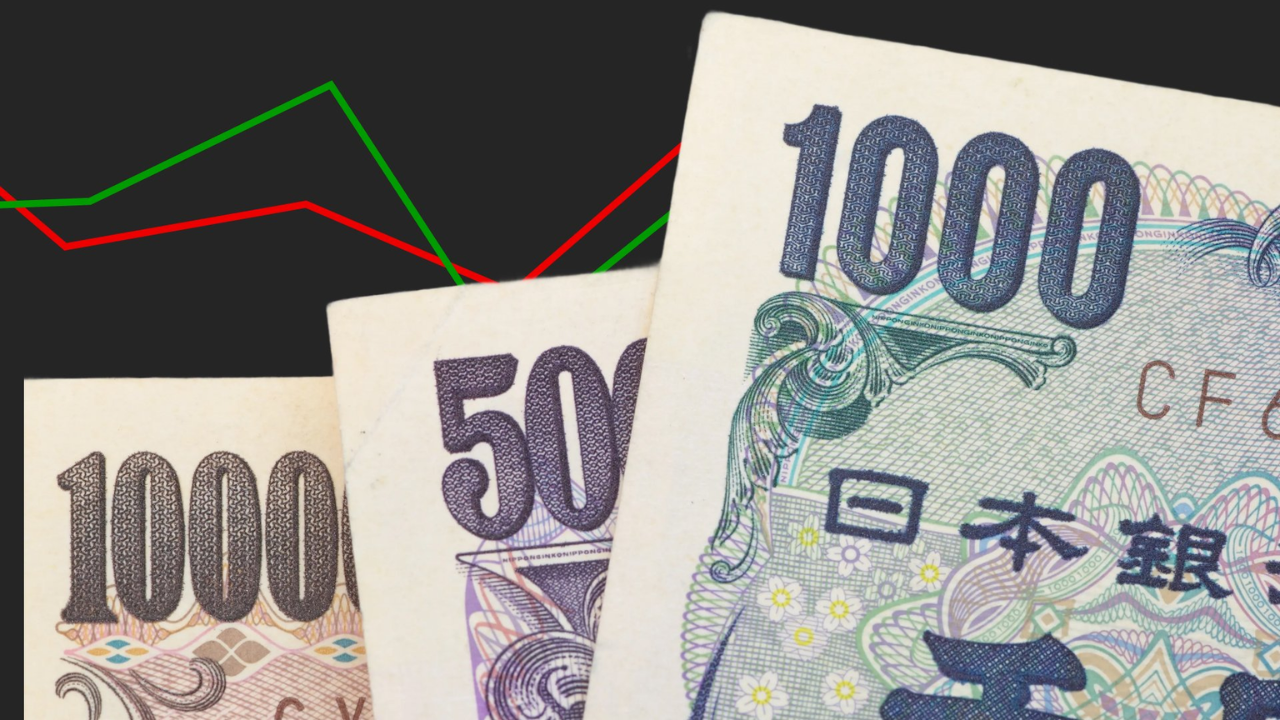
The Japanese yen weakened as far as 161.45 per dollar, its lowest level since July 2024. The move wiped out gains made after Tokyo’s April 30 intervention. Reuters noted that a break above the 2024 high of 161.99 would send the yen to its weakest level since 1986.
This is one of the most important risks in the current forex market. USD/JPY is now close to levels where Japanese officials may feel pressure to act again. Chief Cabinet Secretary Minoru Kihara said authorities are ready to act on currency changes when needed.
Intervention risk can create sharp volatility. If Japan enters the market to support the yen, USD/JPY could fall quickly. However, the intervention might only work for a short time if the dollar’s rate advantage keeps going. The yen has been under pressure because U.S. rates remain high while Japanese yields remain much lower by comparison.
For the dollar forecast, yen intervention is a complication rather than a broad bearish factor. It could interrupt USD/JPY upside, but it may not weaken the dollar across all pairs unless broader U.S. rate expectations also shift lower.
U.S.-Iran Deal Eases Oil but Fails to Stop Dollar Rally
Oil prices fell on Thursday to their lowest level since before the Iran war began at the end of February. Reuters said that 12.5 million barrels of crude passed through the Strait of Hormuz overnight. This came after U.S. Vice President JD Vance announced that President Donald Trump signed a deal with Iran. The agreement aims to end the conflict that has disrupted global energy supplies.
Normally, lower oil prices could reduce inflation pressure and weaken the case for Fed hikes. That might weigh on the dollar. But in this session, the Fed’s hawkish signal and strong U.S. data had a stronger impact.
This tells traders something key: the dollar is now influenced more by U.S. rate expectations than by geopolitical energy risk. The U.S.-Iran deal may still matter for inflation and global growth, but it has not been enough to reverse the greenback’s momentum.
If oil continues falling and inflation data softens, the dollar rally may eventually lose support. But until that appears in the data, traders may continue focusing on the Fed’s willingness to hike again.
Why the Dollar Can Strengthen Even as Oil Falls
The dollar’s rise might seem odd since lower oil prices often ease inflation pressure. However, currency markets respond to relative expectations, not only individual headlines.
Oil is falling, but U.S. growth data remains strong. Jobless claims dropped. Payrolls often beat forecasts. The Fed’s latest projections reveal that policymakers still worry about inflation and may raise rates again. That combination supports the dollar.
Lower oil prices can boost risk sentiment. They can also improve the U.S. growth outlook by cutting energy costs for consumers and businesses. If lower oil helps the economy while inflation remains above target, the Fed may still stay restrictive.
The dollar forecast depends on whether lower oil prices lead to lower inflation fast enough to change the Fed’s view. Until then, dollar bulls have a strong case. The economy is solid, the Fed is hawkish, short-term rates are rising, and competing currencies are weak.
What Traders Should Watch Next
The first signal is DXY above 100.80. A strong breakout would boost bullish momentum. This could attract more trend-following dollar buyers.
The second signal is USD/JPY near 161.99. A break above that level could take the yen to its weakest point since 1986 and increase the probability of Japanese intervention.
The third signal is U.S. inflation and labor data. Strong payrolls and falling jobless claims support the Fed hike case. Softer data would reduce dollar momentum.
The fourth signal is Fed communication under Kevin Warsh. Traders want to know if the new chair supports hawkish forecasts or lets markets ease their expectations.
The fifth signal is oil-price behavior after the U.S.-Iran deal. Continued lower oil may eventually reduce inflation fears, but the current market still sees the Fed as hawkish.
FAQ
Why did the dollar hit a one-year high?
The dollar hit a one-year high because the Federal Reserve held rates steady but signaled a hawkish outlook. New projections revealed that nearly half of policymakers expect a rate hike this year. Strong U.S. payrolls and lower jobless claims also support these expectations.
Why is the yen under pressure?
The yen weakened because rising U.S. rate expectations widened the gap between U.S. and Japanese yields. USD/JPY reached 161.45, near levels that increase intervention risk. Japanese officials warned they are ready to respond if currency moves become excessive.
How does the Fed affect the dollar forecast?
The Fed affects the dollar forecast through interest-rate expectations. If traders expect higher U.S. rates, the dollar usually gains support. Current markets price a 68% chance of a September hike. Traders can use the economic calendar for upcoming market events to track rate decisions and inflation releases.
Can the dollar keep rising?
The dollar can keep rising if U.S. data remains strong, the Fed keeps a hawkish tone, and short-term rates continue moving higher. Finprozone’s market tools and trading resources can help traders monitor DXY, EUR/USD, GBP/USD, and USD/JPY.