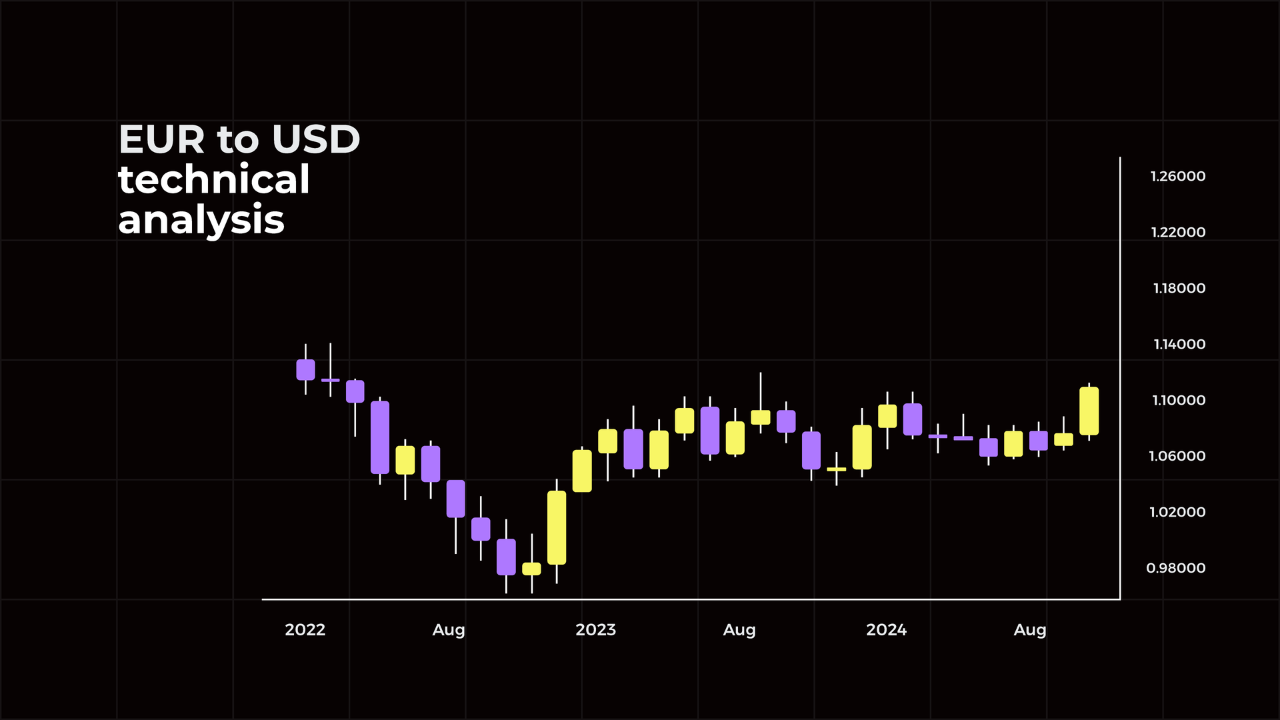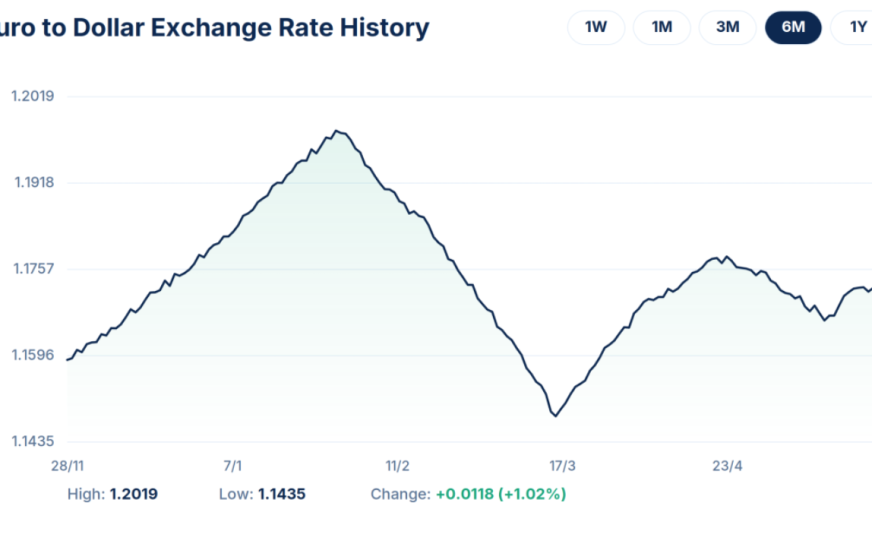
The euro edged higher toward $1.164 as traders balanced cautious optimism over Middle East de-escalation with rising expectations that the European Central Bank will raise interest rates at its June 11 meeting. The latest euro forecast has turned more constructive in the short term, supported by stronger euro-area inflation data and market pricing for another tightening move from the ECB.
According to the original Trading Economics report published through TradingView, the euro climbed as investors reacted to reports that Israel and Lebanon agreed to implement a ceasefire and end hostilities. Those headlines raised hopes for a broader de-escalation involving the U.S.-Israeli conflict with Iran, although Tehran denied recent progress in talks with Washington and fighting continued in Lebanon.
For currency traders, the euro’s move reflects two forces working in the same direction for now. The first is geopolitical relief, which can reduce demand for the U.S. dollar as a defensive asset. The second is monetary-policy divergence, with markets now pricing in a near-certain 25-basis-point ECB rate hike next week and two or possibly three increases this year.
EUR/USD Gains as Risk Sentiment Improves
The euro’s rise toward $1.164 suggests that traders are modestly reducing defensive positioning as Middle East headlines improve. In foreign exchange markets, geopolitical stress often supports the U.S. dollar because of its reserve-currency status and safe-haven role. When the perceived risk of escalation declines, currencies such as the euro can recover.
However, the improvement in sentiment remains cautious rather than decisive. The source report noted that Tehran denied recent progress in talks with Washington over an interim peace deal, while fighting continued in Lebanon. That means the market is reacting to signs of possible de-escalation, not a confirmed regional settlement.
This distinction matters for the euro forecast. If ceasefire headlines develop into a broader agreement, EUR/USD could find additional support as geopolitical risk premiums ease. If talks fail or conflict expands, the dollar may regain demand and pressure the euro lower.
For now, the euro’s gain appears controlled. A move toward $1.164 shows buying interest, but it does not suggest a full breakout unless traders receive stronger confirmation from either peace negotiations or ECB policy expectations.
ECB Rate Hike Expectations Support the Euro
The stronger driver behind the euro may be monetary policy. Markets are pricing in a near-certain 25-basis-point rate hike at the ECB’s June 11 meeting. Traders also expect two or possibly three increases this year.
That pricing is important because interest-rate expectations are a core driver of currency valuation. When a central bank is expected to raise rates, the currency can become more attractive because higher rates may improve yield appeal relative to peers. If investors believe the ECB will remain firm while other central banks are constrained by growth risks or geopolitical uncertainty, the euro can benefit.
The euro forecast is therefore tied closely to whether the ECB confirms the market’s expectations. If policymakers deliver the expected hike and signal that further increases remain likely, EUR/USD could remain supported. If the ECB sounds more cautious than markets expect, the euro may struggle to hold recent gains.
The June 11 meeting is especially important because it gives the ECB a chance to respond directly to stronger inflation data. Traders will watch not only the rate decision but also the language around services inflation, core inflation, wage pressure, energy costs, and the balance between growth and price stability.
Euro-Area Inflation Strengthens the Policy Case
The policy backdrop shifted after data showed euro-area inflation rose to 3.2% in May, the highest level in more than two and a half years. Core inflation also accelerated to 2.5%, while services inflation climbed to 3.5%.
These figures matter because they show price pressure spreading beyond energy. Headline inflation can be volatile when driven mainly by fuel or commodity prices, but core and services inflation are often watched more closely by central banks because they can reflect broader and more persistent domestic pressure.
Services inflation at 3.5% is particularly relevant. Service prices are often linked to wages, labor costs, rents, and local demand. If services inflation remains elevated, policymakers may worry that inflation is becoming more embedded in the economy.
Core inflation at 2.5% also gives the ECB less room to sound relaxed. A central bank may tolerate temporary energy-driven volatility, but broadening inflation across core categories can justify tighter policy. That is why markets are preparing for a 25-basis-point hike and possibly more increases later this year.
For the euro, this creates a supportive rate backdrop. Stronger inflation raises the probability of tighter policy, and tighter policy can support the currency. The risk is that higher rates may eventually pressure growth, but in the near term, the rate-expectation channel is helping EUR/USD.
Why Middle East Headlines Matter for Forex
Middle East developments matter for the forex market because they affect risk sentiment, oil prices, inflation expectations, and safe-haven flows. A ceasefire between Israel and Lebanon could reduce regional risk and ease some pressure on energy markets. That can improve sentiment toward risk-sensitive assets and reduce demand for the dollar.
However, the situation remains fragile. The report noted that hopes for a broader deal were tempered by Tehran’s denial of recent progress in talks with Washington and continued fighting in Lebanon. This makes the geopolitical effect on the euro unstable.
If tensions ease, the euro may benefit through improved risk appetite. If tensions worsen, the dollar could strengthen as investors seek safety. The result is a euro forecast that depends not only on European data but also on geopolitical headlines beyond Europe.
This is why EUR/USD traders should avoid relying on one driver. ECB expectations are supportive, but Middle East risk can quickly shift market direction. A currency pair can rise on rate expectations in one session and reverse on geopolitical stress in the next.
For broader market coverage across currencies, policy expectations, and geopolitical catalysts, traders can follow Finprozone latest market news as macro headlines continue driving short-term volatility.
The Dollar Side of the EUR/USD Equation
Every EUR/USD move reflects both sides of the pair. The euro is being supported by ECB rate-hike expectations, but the U.S. dollar is also reacting to Middle East risk and market sentiment.
If geopolitical tensions ease, the dollar may lose some safe-haven support. That can help EUR/USD rise even if euro-specific news is unchanged. If tensions escalate, dollar demand may return and limit euro upside.
The Republican-controlled U.S. House voting to halt military action against Iran also entered the market narrative. For traders, this headline may contribute to expectations that the U.S. could face political pressure against deeper military involvement. If that reduces perceived escalation risk, it may weaken safe-haven demand for the dollar.
Still, the dollar is unlikely to move only on geopolitics. U.S. economic data, Federal Reserve expectations, bond yields, and inflation pressure also matter. If U.S. yields rise or investors expect a more restrictive Fed stance, the dollar could remain firm even if geopolitical tensions ease.
This means the euro forecast should be framed as cautiously constructive, not aggressively bullish. The ECB story supports the euro, but the dollar remains sensitive to several powerful drivers.
What the ECB Must Communicate
The June 11 ECB meeting may determine whether the euro can extend its advance. A 25-basis-point rate hike is already close to fully priced in, so the decision itself may not be enough to push EUR/USD significantly higher. The bigger issue will be forward guidance.
Markets want to know whether the ECB sees inflation as broadening enough to justify two or three hikes this year. If policymakers emphasize persistent core and services inflation, the euro may stay supported. If they suggest that policy is already restrictive enough or that growth risks are rising, traders may reduce expectations for additional hikes.
The ECB also needs to manage credibility. Inflation at 3.2%, core inflation at 2.5%, and services inflation at 3.5% all point to price pressure that remains above a comfortable range. If the central bank sounds too cautious, markets may question its inflation-fighting commitment. If it sounds too aggressive, investors may worry about growth and financial conditions.
For the euro, the strongest setup would be a hike combined with clear but measured language that keeps further tightening on the table. That would support rate differentials without sounding unnecessarily alarmist.
Risks to the Euro Forecast
The first risk is geopolitical reversal. If Middle East tensions intensify or the ceasefire outlook weakens, the dollar could recover as a safe haven and pressure EUR/USD lower.
The second risk is ECB disappointment. If the ECB hikes but signals fewer future increases than markets expect, the euro could fall. Since traders already price a near-certain June hike, forward guidance matters more than the headline decision.
The third risk is economic weakness. Higher rates can support a currency in the short term, but if investors start to believe that tightening will damage euro-area growth, the euro may lose momentum.
The fourth risk is inflation composition. If inflation remains high mainly because of volatile energy factors, the ECB may become more cautious. If core and services inflation continue accelerating, the central bank may feel forced to tighten more, but growth risks could rise.
The fifth risk is U.S. dollar resilience. If U.S. yields climb or global investors stay defensive, the dollar may remain strong even as the euro receives support from ECB expectations.
Key Levels and Signals for EUR/USD Traders
The immediate level to watch is the euro’s move toward $1.164. Holding near that area would suggest that buyers are willing to support the pair ahead of the ECB meeting. A move above it could strengthen the case for a more constructive euro forecast, especially if accompanied by stronger rate-hike expectations.
If EUR/USD fails to hold recent gains, traders may interpret the move as a temporary reaction to Middle East optimism rather than a durable shift. In that case, the pair may become more sensitive to dollar strength and headline risk.
The next major signal will come from ECB communication. Traders should watch whether policymakers validate market pricing for two or possibly three hikes this year. They should also monitor inflation commentary, especially references to core and services inflation.
Geopolitical headlines remain a secondary but important driver. Ceasefire implementation, talks involving Iran and Washington, and any change in U.S. military posture could all affect dollar demand and risk sentiment.
FAQ
Why did the euro rise toward $1.164?
The euro rose toward $1.164 as traders reacted to cautious optimism over Middle East de-escalation and positioned ahead of the European Central Bank’s June 11 meeting. Expectations for a near-certain 25-basis-point ECB rate hike also supported the currency.
How does ECB policy affect the euro forecast?
ECB policy affects the euro forecast because higher interest rates can make the currency more attractive to investors. Markets expect a June hike and possibly two or three increases this year. If the ECB confirms a firm inflation-fighting stance, EUR/USD may remain supported.
Why is euro-area inflation important for EUR/USD?
Euro-area inflation rose to 3.2% in May, while core inflation reached 2.5% and services inflation climbed to 3.5%. These figures suggest broader price pressure, giving the ECB more reason to tighten policy. Traders can track key releases using the economic calendar for upcoming market events before major central bank decisions.
What could weaken the euro from here?
The euro could weaken if Middle East tensions escalate, the dollar regains safe-haven demand, or the ECB sounds less hawkish than expected. EUR/USD may also struggle if investors begin to focus more on growth risks from higher rates rather than the currency support from tighter policy.