The dollar forecast is turning more cautious as analysts consider whether improving risk appetite could pressure the U.S. currency in the coming months. According to the original Dow Jones Newswires Market Talk update published through TradingView, Morgan Stanley strategists said the dollar could weaken if positive risk sentiment continues, supported by robust U.S. earnings and stronger equity-market confidence.
The DXY dollar index was trading near 97.903 in the report, broadly flat on the day, while Morgan Stanley projected a move toward 95.000. That target suggests the bank sees room for the dollar to lose ground if market conditions remain constructive and investors become more comfortable taking risk outside defensive U.S. currency exposure.
The argument is not a simple bearish call on the dollar. Morgan Stanley’s view depends on a delicate balance in U.S. economic data. If the data becomes too weak, investors could worry about earnings downgrades and move back toward safety. If the data becomes too strong, markets may revive expectations that the Federal Reserve could raise rates again, which would support the dollar. The softer-dollar case works best when U.S. data is stable enough to support earnings, but not strong enough to trigger fresh Fed hawkishness.
Why Risk Appetite Matters for the Dollar
The U.S. dollar often behaves like a defensive asset during periods of market stress. When investors become worried about recession, financial instability, geopolitical shocks, or falling asset prices, they frequently move into the dollar because of its liquidity and reserve-currency status.
When risk appetite improves, that defensive demand can fade. Investors may rotate into equities, emerging markets, higher-yielding currencies, commodities, or other risk-sensitive assets. In that environment, the dollar can weaken even if the U.S. economy remains strong.
That is the logic behind Morgan Stanley’s view. Strong U.S. earnings are supporting the equity market, and if that confidence spreads, investors may become less reliant on dollar safety. A weaker dollar in this case would not necessarily signal U.S. weakness. It could instead reflect a more confident global market environment.
This distinction matters. A falling dollar can come from different causes. It can fall because the U.S. economy is weakening, which is negative. But it can also fall because global investors are willing to take more risk, which can be positive for broader markets.
The DXY Index and the 95 Target
The DXY index measures the U.S. dollar against a basket of major currencies, with heavy weight toward the euro. When analysts forecast DXY moving from around 97.903 toward 95.000, they are effectively expecting the dollar to weaken against several major peers.
A move to 95 would not represent a collapse. It would be a controlled decline, consistent with a market that is gradually reducing dollar exposure as confidence improves. For forex traders, that kind of move can still be meaningful because DXY trends affect EUR/USD, GBP/USD, USD/JPY, USD/CHF, commodity currencies, and broader global liquidity conditions.
The 95 level also carries psychological importance. Round numbers in major indexes often attract attention, and a move toward that area could encourage more traders to reassess the dollar’s medium-term trend.
However, the path to 95 is not guaranteed. The dollar remains supported by U.S. rate levels, the Fed’s policy stance, and global demand for liquid assets. For DXY to move lower in a sustained way, investors likely need to see continued earnings resilience, stable U.S. data, and no major return of risk aversion.
U.S. Earnings Are Supporting the Risk-On Case
One reason the dollar forecast is shifting lower is that U.S. corporate earnings have remained robust. Strong earnings can help equity markets hold up even when interest rates remain elevated or macro risks are present.
When investors see companies protecting margins, growing revenue, and maintaining guidance, they may become more willing to allocate capital into equities. That reduces demand for defensive assets and can weigh on the dollar.
This is especially relevant in the current market because the U.S. economy has faced several headwinds, including sticky inflation, higher-for-longer rates, energy-price uncertainty, and geopolitical tension. If corporate earnings remain strong despite these pressures, investors may treat that as confirmation that the expansion is more resilient than expected.
Still, earnings strength must continue. Morgan Stanley’s view assumes that upcoming data will not become weak enough to trigger downward earnings revisions. If companies begin cutting forecasts, the equity-market support behind the weaker-dollar call could fade quickly.
Why U.S. Data Must Stay Balanced
The most important condition in the dollar outlook is the balance of U.S. economic data. Morgan Stanley’s view depends on data that is neither too weak nor too strong.
If U.S. data becomes too weak, investors may worry that earnings expectations are too optimistic. Weak consumer spending, slower job growth, falling business investment, or deteriorating confidence could pressure stocks. In that scenario, risk appetite could decline, and the dollar may regain support as a safe-haven currency.
If U.S. data becomes too strong, the problem is different. Strong inflation, hot employment figures, or accelerating demand could lead markets to discuss the possibility of further Federal Reserve rate increases. Higher rate expectations would likely support the dollar because investors would receive better returns from dollar-denominated assets.
The best setup for a weaker dollar is a middle path. Growth remains healthy enough to support earnings, but inflation and labor-market data do not force the Fed into a more hawkish position. That is a narrow but possible environment.
Federal Reserve Expectations Remain Critical
The Federal Reserve remains one of the biggest drivers of the U.S. dollar outlook. Interest-rate expectations influence currency values because investors compare returns across countries. If U.S. rates are expected to stay higher than those in other major economies, the dollar can remain attractive.
Morgan Stanley noted that the dollar could otherwise benefit from a compression in rate differentials between the Fed and the European Central Bank. This point is important because the DXY index is heavily influenced by the euro. If the Fed’s policy advantage versus the ECB remains meaningful, the dollar may be supported.
Rate differentials matter because global capital tends to seek better risk-adjusted yield. If U.S. yields remain high while European yields move lower, investors may continue to hold dollars. If the gap narrows in a way that favors the euro or other currencies, the dollar can weaken.
For traders following major currency moves, rate expectations, and macro headlines, Finprozone latest market news provides regular updates on forex, equities, commodities, and central-bank developments.
The Euro’s Role in the Dollar Forecast
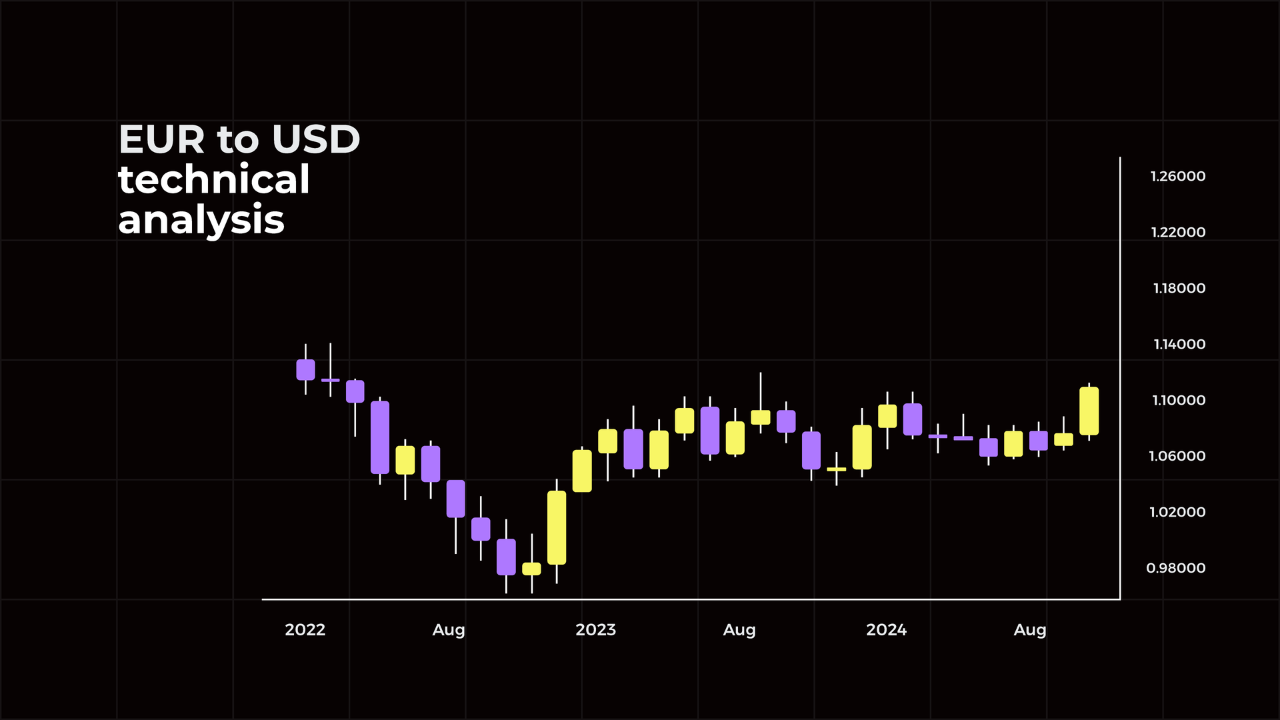
Because the euro has a large weight in the DXY index, the dollar forecast is closely connected to the EUR/USD outlook. If the dollar falls toward Morgan Stanley’s 95 target, the euro would likely need to strengthen against the dollar unless other basket currencies do most of the work.
The euro’s performance will depend on several forces. These include European Central Bank policy expectations, eurozone inflation, energy prices, credit conditions, and investor confidence in European growth. If Europe’s outlook improves while U.S. risk appetite remains strong, the euro may gain ground.
However, the euro also faces risks. Higher energy costs, weaker industrial activity, or renewed political uncertainty could limit its upside. If the ECB appears more dovish than the Fed, the euro may struggle to lead a broad dollar decline.
This means a lower DXY is not only about the U.S. It also requires enough strength or stability from other major currencies.
Risk Sentiment Can Shift Quickly
The dollar may weaken if risk appetite improves, but risk sentiment can reverse quickly. Geopolitical developments, inflation surprises, weak earnings, credit stress, or central-bank comments can rapidly change market behavior.
When investors become nervous, they often reduce exposure to risk assets and move back into liquid safe havens. The dollar can benefit from that shift, even if the original medium-term forecast points lower.
This is why traders should not treat the DXY 95 target as a straight-line move. Currency markets often move in waves. The dollar can weaken over several months while still experiencing sharp short-term rebounds during periods of volatility.
A disciplined forex strategy should therefore track both the trend and the catalysts that could interrupt it.
What a Weaker Dollar Means for Markets
A weaker dollar can have broad effects across financial markets. For commodities, a softer dollar can provide support because many commodities are priced in dollars. When the dollar falls, commodities become cheaper for buyers using other currencies, which can help demand.
For emerging markets, a weaker dollar can reduce pressure on external debt and improve capital flows. Many emerging-market borrowers have dollar-denominated obligations, so a softer dollar can ease financial conditions.
For U.S. multinational companies, a weaker dollar can help overseas revenue translate into more dollars, potentially supporting earnings. This can be positive for large U.S. companies with significant international exposure.
For import prices, however, a weaker dollar can add some inflation pressure by making foreign goods more expensive. That is one reason the Fed may remain attentive to currency movements if inflation is already sticky.
What Traders Should Watch Next
The first factor to watch is U.S. economic data. Employment, inflation, retail sales, manufacturing, services activity, and consumer confidence will all help determine whether the dollar weakens or finds support.
The second factor is earnings. If corporate results remain strong, risk appetite may improve and weigh on the dollar. If earnings guidance weakens, defensive demand may return.
The third factor is Federal Reserve commentary. Any suggestion that the Fed may need to raise rates again could support the dollar. More neutral or patient language could allow the dollar to drift lower.
The fourth factor is ECB policy. Since the euro is a major DXY component, the Fed-ECB rate relationship will remain important.
The fifth factor is global risk appetite. Equity-market strength, credit-market stability, and lower volatility would support the weaker-dollar view. Rising stress would work in the opposite direction.
Market Takeaway: The Dollar Needs a Risk-Off Catalyst to Regain Strength
The current dollar forecast suggests the U.S. currency could weaken if investors remain confident in earnings and broader risk sentiment improves. Morgan Stanley’s DXY target of 95 reflects the idea that the market may reduce defensive dollar exposure if U.S. data stays balanced and equity-market strength continues.
However, the dollar still has several sources of support. Fed rate expectations, safe-haven demand, and rate differentials with the ECB could limit downside. The dollar is most vulnerable in a stable-growth environment where investors feel confident enough to buy risk assets but not so strong that the Fed needs to become more hawkish.
That makes the next data cycle especially important. If the economy remains resilient without reigniting rate-hike fears, the dollar may continue to soften. If data turns too hot or too weak, the DXY could find renewed support.
FAQ
Why could the U.S. dollar weaken in coming months?
The dollar could weaken if risk appetite improves and investors reduce demand for defensive assets. Strong U.S. earnings can support equities and encourage capital to move into risk assets, which may pressure the dollar if Fed rate-hike expectations remain contained.
What is the DXY dollar index?
The DXY index measures the U.S. dollar against a basket of major currencies, including the euro, yen, pound, Canadian dollar, Swedish krona, and Swiss franc. It is commonly used to track broad dollar strength or weakness in the forex market.
Why does U.S. economic data matter for the dollar forecast?
U.S. data matters because it shapes both earnings expectations and Federal Reserve policy. Weak data could hurt risk appetite and support the dollar as a safe haven. Very strong data could revive Fed rate-hike expectations, also supporting the dollar.
How do Fed and ECB rate differentials affect the dollar?
Rate differentials influence where investors place capital. If U.S. rates remain attractive compared with eurozone rates, the dollar may stay supported. If the gap narrows or investors prefer non-dollar assets, the dollar can weaken against major peers.
How should traders follow the dollar forecast now?
Traders should monitor DXY levels, U.S. inflation, jobs data, earnings trends, Fed commentary, and global risk sentiment. For deeper currency and macro analysis, use market tools and trading resources to track dollar moves and related market signals.