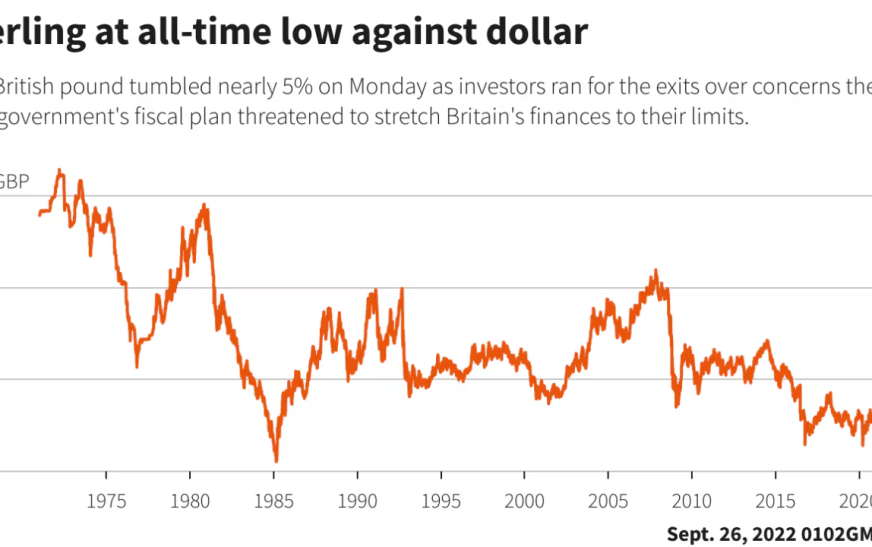
The pound forecast dropped after sterling hit a two-month low. This happened because the U.S. dollar got stronger. Expectations for Federal Reserve rate hikes also rose. Meanwhile, the Bank of England chose to keep UK interest rates steady. The move showed how fast currency markets adjust to monetary policy. The dollar gained support from a hawkish Fed, but the pound struggled as the BoE avoided a stronger inflation response.
Sterling dropped 0.6% to $1.321, reaching its lowest level since early April, according to Reuters on TradingView. It was last down 0.4%. The pound was already weaker as the dollar rose. It slipped more after the Bank of England kept interest rates at 3.75%. They said it would be too soon to raise rates due to inflation uncertainty.
The decline reflects two connected pressures. First, the U.S. dollar gained after traders raised expectations for Federal Reserve rate hikes this year. Second, the BoE sounded more dovish than other major central banks. The European Central Bank and the Bank of Japan both raised rates recently. That contrast pushed GBP/USD lower and kept traders focused on relative rates.
Pound Falls as Dollar Strength Dominates Forex Markets
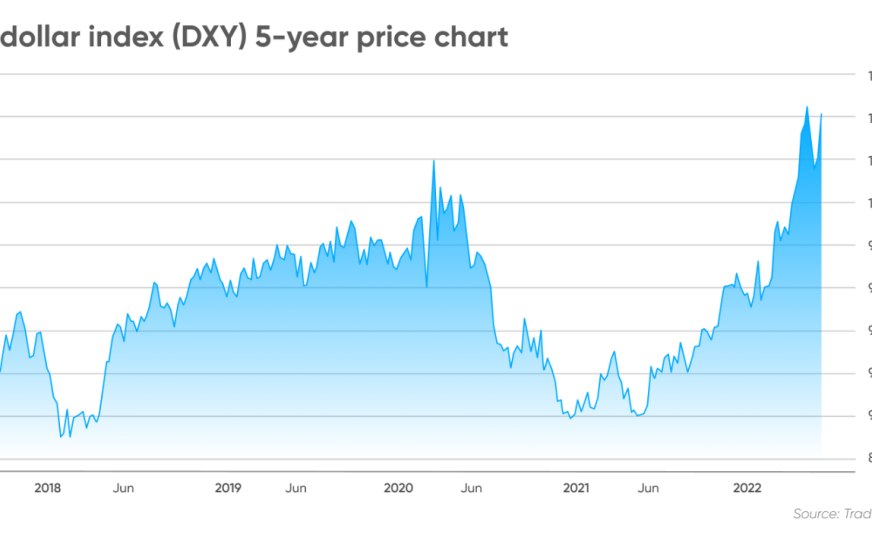
Sterling’s drop was part of a broader dollar-led move across major currencies. The U.S. dollar index rose to its highest level in over a year. This happened after nearly half of the Federal Reserve policymakers indicated they expect a rate hike by December. That shift gave dollar bulls a stronger argument and placed renewed pressure on currencies with weaker rate support.
The pound was especially vulnerable because the Bank of England did not match the Fed’s hawkish tone. Instead, it held rates steady and emphasized inflation uncertainty. While the BoE did not declare victory over inflation, it also did not signal an immediate desire to tighten further.
That was enough for traders to sell sterling. In forex markets, a currency’s direction often relies less on a single country’s policy and more on how it stacks up against others. The Fed sounded more hawkish. The BoE sounded more cautious. The result was a lower pound against the dollar.
Kit Juckes, head of FX strategy at Societe Generale, said the currency is moving in line with relative rates. He added that the dollar was stronger after the Fed meeting and that U.S. economic strength justified the shift in monetary policy stance. That framing is central to the current pound forecast.
BoE Holds Rates at 3.75%
The Bank of England left interest rates at 3.75%. They believe it’s too early to raise borrowing costs because of ongoing inflation uncertainty. The decision left analysts describing the central bank as slightly dovish compared with peers.
A rate hold is not automatically bearish for a currency. If markets expect no change and the central bank delivers a hawkish message, a currency can still rise. In this case, however, the BoE’s caution contrasted with the Fed’s more hawkish update, creating a relative disadvantage for sterling.
The decision also came at a sensitive time. UK inflation is still important. However, the economy is under pressure. Higher borrowing costs, weaker growth, and political uncertainty are major concerns. The BoE must balance the risk of inflation staying too high against the risk of overtightening into a fragile economic backdrop.
For the pound, that balance creates uncertainty. If inflation remains sticky, markets may eventually price in renewed BoE tightening. But if the economy weakens, traders may expect the BoE to remain on hold or become more cautious. That makes GBP/USD vulnerable when the dollar has stronger rate support.
Fed Hike Bets Push GBP/USD Lower
The stronger dollar was the main external driver behind sterling’s slide. On Wednesday, traders began to factor in U.S. rate hikes this year. Updated Fed projections revealed that almost half of policymakers expect a raise by December. That caused the dollar to rally and pushed GBP/USD lower.
This matters because the pound is trading against a dollar backed by both strong data and a more restrictive policy outlook. The Reuters report noted that the U.S. economy’s strength has helped justify the Fed’s shift. When U.S. growth remains resilient and inflation concerns persist, the Fed has more room to stay hawkish.
By contrast, the BoE appears more cautious. That difference makes GBP/USD more sensitive to U.S. data. If upcoming U.S. inflation, jobs, or growth figures remain firm, the dollar could extend gains and keep sterling under pressure. If U.S. data weakens, the pound may find relief.
For now, the market is giving more weight to U.S. rate-hike bets than to falling oil prices after the U.S.-Iran deal. Lower oil should reduce some inflation pressure, but traders are still focused on the Fed’s hawkish stance and the possibility of higher U.S. rates.
BoE Looks Dovish Compared With Other Central Banks
One of the most important details in the Reuters report is the comparison between the BoE and other central banks. The Bank of England held rates, while the European Central Bank and Bank of Japan both raised interest rates in recent days. That made the BoE stand out as relatively dovish.
This relative position matters for sterling. If other central banks are tightening while the BoE waits, investors may see less reason to hold pounds. Higher rates can attract capital, especially when markets are focused on yield differentials. A cautious central bank can therefore limit currency support.
Analysts described the BoE decision as leaning a little dovish at the margin. That does not mean the central bank is preparing to cut rates. It means that, compared to the market’s focus on inflation, the BoE wasn’t strong enough to support the pound.
For traders, this creates a clear short-term framework. Sterling may struggle unless UK data forces markets to reconsider the BoE path or unless the dollar rally loses momentum.
For updates on currency markets, central bank decisions, and macro data, visit Finprozone latest market news. Rate expectations are shaping major forex pairs.
UK Political Risk Adds Pressure
Domestic politics also added uncertainty to the pound forecast. Polls opened Thursday for a special election, according to Reuters. This election might return Labour’s Manchester Mayor Andy Burnham to Parliament. He could then challenge Prime Minister Sir Keir Starmer.
Political risk affects sterling. Investors pay attention to fiscal discipline, government stability, and policy direction. Concerns that Burnham might boost spending if he became prime minister led to a rise in British bond yields to multi-year highs in May. This increase was also driven by higher oil prices.
Burnham later said he would stick to the government’s fiscal rules, helping reduce some pressure. Yields have also fallen since Iran peace talks lowered oil prices. Still, Reuters noted that both gilts and the pound could be volatile if Starmer comes under pressure.
Nick Rees, head of macro research at Monex Europe, said politics now looks set to dictate the next leg for sterling. That is important because it means GBP/USD may not trade only on central-bank policy. Domestic political news could drive investor concerns about fiscal stability or steady leadership.
British Bond Yields Reflect Mixed Signals
British bond yields fell after the BoE decision but remained higher on the day along with European peers. The rate-sensitive two-year gilt yield was last up 4 basis points at 4.183%, according to Reuters. UK stocks were also lower, with the UK100 down 1%.
The gilt reaction shows that markets are balancing several forces. The BoE hold and measured tone reduced some near-term tightening pressure. Global yields stayed strong as the Fed’s tough stance raised rate expectations in developed markets.
For sterling, the bond market signal is mixed. Higher UK yields can support the pound if they reflect stronger rate expectations. But if yields rise because of fiscal or political risk, the effect can be less positive. Investors may demand higher yields to hold UK assets while still selling the currency.
That is why the political backdrop matters. If bond yields rise due to fears of higher spending or weak fiscal discipline, sterling might stay vulnerable. If yields rise because UK data strengthens and the BoE becomes more hawkish, the pound could receive support.
Falling Oil Prices Are Not Enough to Support Sterling
Oil prices fell again after the U.S.-Iran deal, but the focus in markets remained on Fed hike expectations. Lower oil prices can help economies. They reduce inflation and boost consumer spending power. For the UK, lower energy prices could ease some cost pressure and reduce the inflation burden.
However, the currency impact was limited. Traders paid more attention to relative rates. The Fed’s hawkish stance overshadowed any potential inflation relief from cheaper oil.
This shows that sterling’s problem is not only domestic inflation. It is also the strength of the dollar. Even if lower oil improves the UK inflation outlook, GBP/USD can still fall if U.S. rates rise faster or remain higher for longer.
The pound may benefit from lower oil over time if it supports real incomes and reduces inflation volatility. But in the short term, the dollar’s rate advantage is the stronger driver.
GBP/USD Technical Outlook Turns Fragile
The drop to $1.321 placed GBP/USD at its weakest level since early April. That technical break matters because traders often watch multi-month lows for signs of momentum. If a currency pair breaks below recent support, trend-following sellers may add pressure.
The next question is whether sterling can stabilize near $1.32. If buyers defend that area, the pound may consolidate while markets wait for more UK data and political clarity. If GBP/USD breaks lower, traders may begin targeting the next support zone below the April range.
Sterling’s recovery would likely require one of three catalysts: a softer U.S. dollar, stronger UK economic data, or a more hawkish BoE signal. Without one of those, rallies may be limited.
The pound forecast therefore remains cautious. The currency isn’t collapsing, but risks are shifting lower. This is because the Fed seems more aggressive than the BoE. Also, UK politics might bring more volatility.
EUR/GBP Also Shows Sterling Pressure
EUR/GBP rose 0.33%, showing that sterling weakness was not limited to the dollar pair. This is important because if the pound only fell against the dollar, the story could be explained mainly by broad U.S. dollar strength. But when sterling also weakens against the euro, UK-specific factors are clearly playing a role.
The euro benefited from the contrast between the ECB and BoE. The ECB raised rates in recent days, while the BoE held. That policy divergence helped EUR/GBP move higher.
For UK traders, EUR/GBP is useful because it strips out some of the dollar effect. If EUR/GBP keeps rising, it suggests sterling is under pressure beyond the global dollar rally. If EUR/GBP stabilizes, then GBP/USD weakness may be driven mainly by U.S. dollar strength.
This distinction will be important in upcoming sessions. Traders will decide if they should sell sterling widely or just against the dollar.
What Traders Should Watch Next
The first signal is GBP/USD around $1.321. A sustained break below this level would confirm weaker momentum and could extend the decline.
The second signal is the dollar index. If the dollar continues rising on Fed hike bets, sterling may struggle even if UK data improves.
The third signal is BoE communication. Traders need to see if policymakers stay cautious or grow more worried about ongoing inflation.
The fourth signal is UK politics. If the special election puts pressure on Keir Starmer or raises fiscal worries, sterling could become more volatile.
The fifth signal is UK inflation and labor data. Stronger wage or inflation data might lead markets to expect a more hawkish BoE stance. In contrast, weaker data would back a dovish view.
FAQ
Why did the pound fall to a two-month low?
The pound fell as the dollar strengthened. This happened after traders factored in more risks of a Federal Reserve rate hike. Meanwhile, the Bank of England kept rates at 3.75% and appeared cautious. This made sterling less attractive compared with the dollar.
Why did the BoE hold interest rates?
The Bank of England held rates because it judged that another hike would be premature given uncertainty around inflation. Analysts viewed the decision as slightly dovish compared with the Fed, European Central Bank, and Bank of Japan.
How does U.S. policy affect the pound forecast?
U.S. policy affects the pound forecast through GBP/USD. If traders expect higher U.S. rates, the dollar usually strengthens and pushes the pound lower. Traders can check the economic calendar for upcoming market events to stay updated on the Fed, BoE, inflation, and the labour market news.
Can the pound recover from here?
The pound can recover if the dollar loses momentum, UK data strengthens, or the BoE signals more concern about inflation. However, GBP/USD may stay under pressure if Fed hike bets rise further and UK political risks increase. Finprozone’s market tools and trading resources help traders monitor GBP/USD, EUR/GBP, and key technical levels.