The forex market outlook remains dominated by dollar strength, yen weakness, rising inflation risks, and shifting central-bank expectations as geopolitical uncertainty continues to shape global currency markets. According to the original Dow Jones Newswires market update published through TradingView, the Japanese yen could remain weak even if Bank of Japan Governor Kazuo Ueda sounds more hawkish ahead of the June policy meeting.
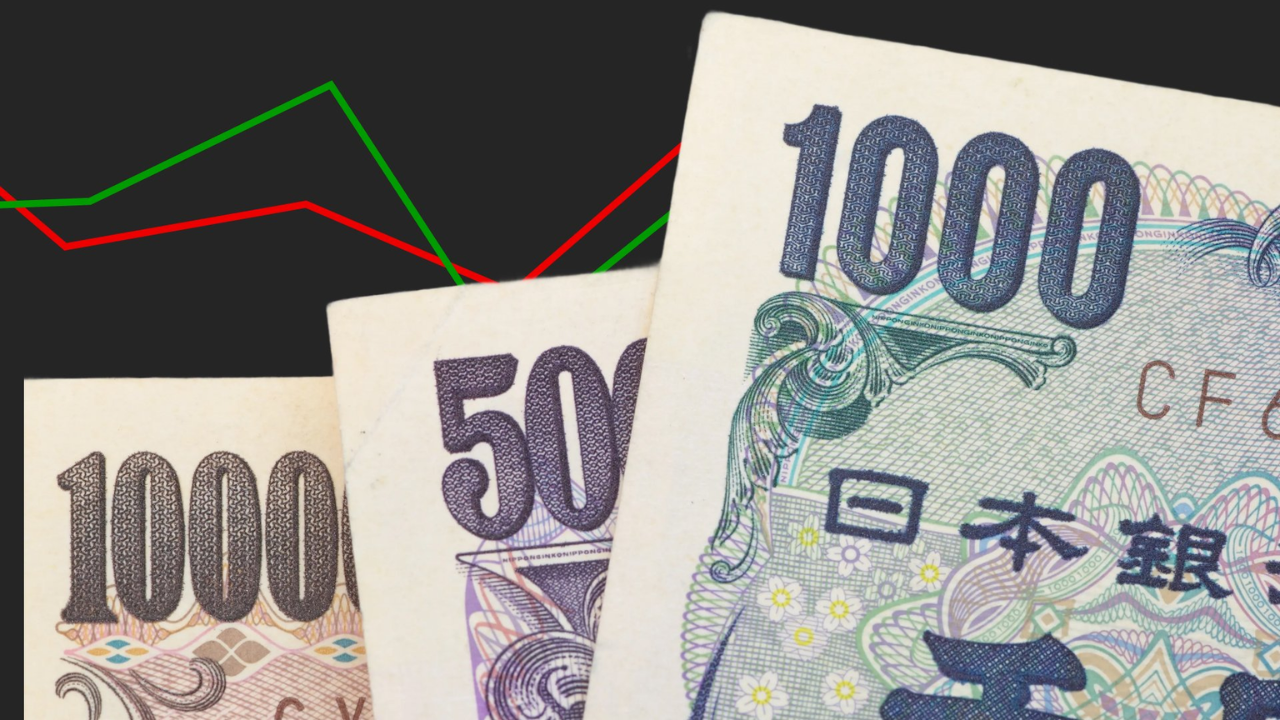
That view reflects an important market problem for the yen. Investors have already priced in an 80% probability of a June Bank of Japan rate increase, according to MUFG Bank strategist Derek Halpenny. Because that expectation is already largely reflected in markets, a more hawkish tone from the BOJ may not be enough to lift the yen meaningfully. The dollar was trading around 159.04 yen after reaching a near three-week high of 159.25.
The broader currency backdrop is also difficult for the yen. The U.S. dollar has reached a six-week high against a basket of currencies, supported by inflation concerns, rising expectations of Federal Reserve tightening, and safe-haven demand linked to the unresolved Middle East conflict. Oil prices remain elevated, Treasury yields are still high, and investors are reassessing how much monetary tightening may be needed across major economies.
Why the Yen May Stay Weak
The Japanese yen has struggled because the market is not only looking at whether the Bank of Japan raises rates. It is looking at how far the BOJ may go after that. A single rate hike in June may already be priced in. For the yen to gain more sustainable support, investors may need stronger signals that additional rate increases are likely beyond June.
That is where the challenge begins. Japan’s policy normalization has been gradual, and the BOJ has historically moved carefully. If investors believe the BOJ will raise rates once but remain cautious afterward, the yen may not receive enough support to reverse its broader weakness.
The yen is also under pressure from rate differentials. U.S. yields remain elevated, and markets are increasingly pricing the possibility that the Federal Reserve may raise rates again. When U.S. rates look higher and more attractive than Japanese rates, capital can continue favoring the dollar over the yen.
This explains why even hawkish BOJ language may have limited effect. Markets need more than tone. They need a credible path toward sustained policy tightening.
USD/JPY Remains Near Important Levels
USD/JPY trading near 159 is important because it places the pair close to levels that can attract intervention concern. When the yen weakens sharply, Japanese authorities may consider direct action to support the currency, especially if moves become disorderly.
MUFG’s view, as cited in the report, suggests that additional intervention to support the yen may be needed if currency weakness continues. Intervention can slow or reverse moves temporarily, but its effectiveness depends on broader market conditions. If U.S. yields keep rising and the dollar remains strong, intervention may struggle to create a lasting trend change.
This is why traders should not look at intervention risk in isolation. Authorities can act, but monetary policy divergence remains the deeper force. If the Fed is seen as moving toward tighter policy while the BOJ remains cautious, USD/JPY may stay supported.
For now, the yen’s weakness reflects a combination of high U.S. yields, dollar safe-haven demand, oil-market uncertainty, and limited confidence in aggressive BOJ tightening.
Dollar Strength Becomes the Dominant Theme
The U.S. dollar is gaining because the current bond-market selloff is being driven by inflation concerns rather than fiscal fears. ING strategist Francesco Pesole noted that this makes the move “unambiguously dollar positive.” The DXY dollar index rose as high as 99.471, and ING expects it to break above 99.500.
That matters because the dollar is acting as both a yield currency and a safe-haven currency. Investors are buying dollars because U.S. rates may stay high, but also because geopolitical tensions continue to create caution.
MUFG’s Derek Halpenny also noted that markets are increasingly betting on the Federal Reserve raising interest rates, with a 70% chance of a 25-basis-point rate increase by year-end. The Fed’s meeting minutes could reveal whether policymakers are shifting toward a more restrictive stance.
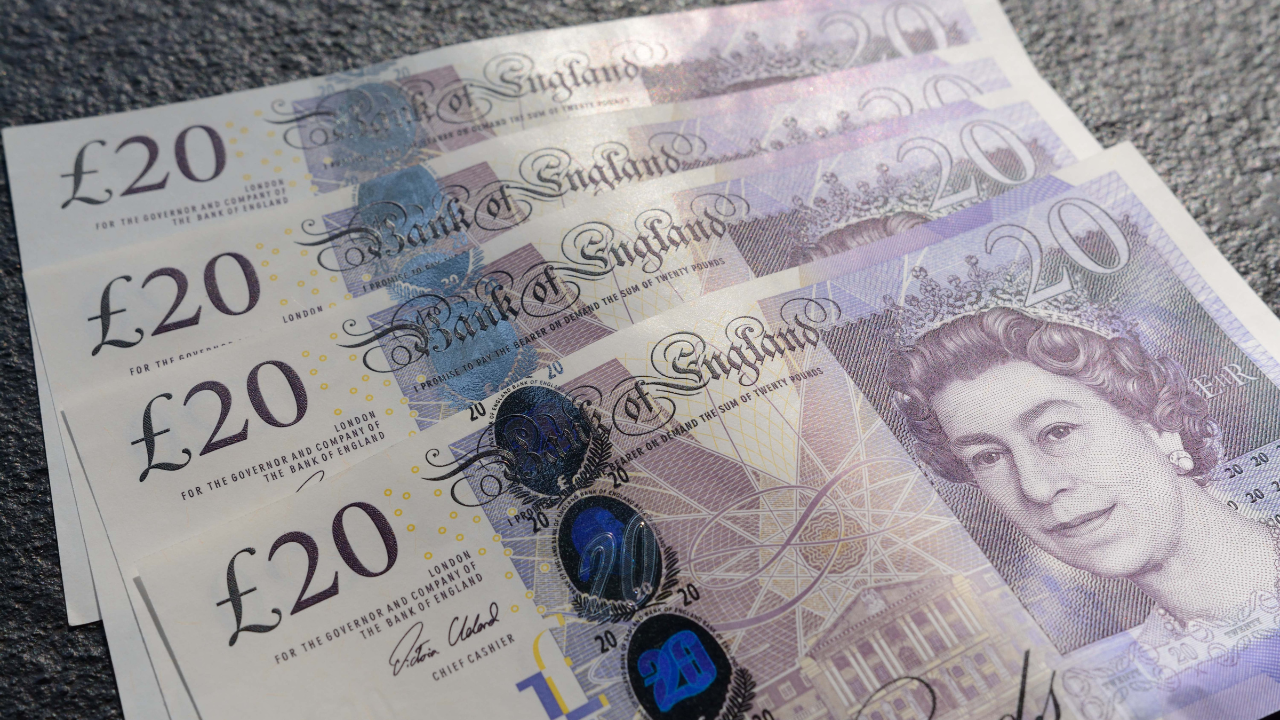
This is a difficult setup for non-dollar currencies. If U.S. yields move higher and the dollar’s safe-haven appeal strengthens, currencies such as the yen, sterling, rupee, and some emerging-market currencies may remain under pressure.
For broader updates on currency markets, central-bank policy, commodities, and global macro trends, Finprozone latest market news provides regular coverage of developments that shape market sentiment.
Middle East Tensions Keep Inflation Risk Elevated
The unresolved Middle East conflict remains one of the biggest macro drivers in the current forex market outlook. Elevated oil prices are feeding inflation expectations, complicating the policy outlook for central banks.
U.S. Treasury yields declined slightly from recent highs as markets stabilized, but investors remain cautious because there has been no meaningful progress toward a diplomatic resolution. Prolonged supply disruptions and elevated oil prices continue to fuel inflation concerns.
This is important because energy prices affect almost every major currency through inflation, trade balances, and monetary policy expectations. Oil exporters can benefit from higher energy prices, while oil importers face pressure from higher import costs and weaker household purchasing power.
The yen is vulnerable because Japan imports much of its energy. Higher oil prices can worsen trade dynamics and raise domestic cost pressures. The Indian rupee is also under pressure, with DBS expecting USD/INR to trade in a 95-100 range for the rest of 2026 as higher crude prices weaken the rupee and create a more challenging inflation environment.
U.K. Inflation Data Complicates the BOE Outlook
The Bank of England outlook is also shifting. U.K. inflation fell more than expected in April, dropping to 2.8% from 3.3% in March. That weaker inflation data, combined with softer jobs figures, has led some analysts to argue that the BOE may raise rates only once this year.
Ebury’s Matthew Ryan said job-market slack should act as a natural brake on second-round inflation effects. He also noted that elevated gilt yields are already tightening financial conditions, meaning aggressive rate hikes could risk overkill.
However, other analysts remain more cautious. ING still sees a June rate rise as narrowly possible because inflation may peak just below 4% later this year as energy prices rise due to the Iran war. Capital Economics also warned that if energy prices remain high for longer, second-round effects could become more likely.
This creates a divided sterling outlook. Lower inflation and labor-market slack argue against aggressive BOE tightening. But energy-driven inflation risks may keep the central bank cautious. Sterling may receive some support if the BOE hikes, but political uncertainty and broader dollar strength could still limit gains.
India’s Rupee Faces Oil and Policy Constraints
The Indian rupee is another currency under pressure from higher crude prices. DBS Group Research expects USD/INR to trade within a 95-100 range for the rest of 2026. The dollar was already higher at around 96.77725 rupees in the update.
The reason is straightforward. India is a major oil importer, so higher crude prices increase import costs, widen pressure on external balances, and add to inflation. DBS also noted that policy space is relatively constrained after fiscal and monetary stimulus measures were introduced last year to offset tariff-related risks.
Still, India has important buffers. The country’s foreign-exchange reserves remain well supported, and its policy framework may help manage trade and capital-flow challenges. That means the rupee may weaken, but the move could be managed rather than disorderly.
For forex traders, USD/INR is now heavily linked to oil prices, inflation expectations, and India’s ability to maintain confidence in its external position.
Credit Markets Show Regional Stress
Middle East sovereign debt markets are also showing signs of caution. Default protection costs for some Gulf countries remain elevated due to concerns about the ongoing U.S.-Iran conflict. Bahrain’s five-year credit default swaps traded at 253 basis points, while Qatar’s five-year CDS remained at a four-week high of 38 basis points.
Credit default swaps measure the cost of protection against default. Higher CDS levels can signal that investors are demanding more compensation for perceived risk. These moves are not necessarily signs of immediate crisis, but they show that geopolitical tension is affecting more than currency markets.
For forex markets, credit stress matters because it can influence risk appetite. If investors become more nervous about regional stability, safe-haven demand may increase. That can support the dollar and pressure risk-sensitive currencies.
Malaysia’s Export Outlook Turns Cautious
Malaysia’s export outlook also reflects the broader global uncertainty. UOB economists maintained their 2026 export growth forecast at 2.5%, despite strong year-to-date growth of 19% as of April. They pointed to the unresolved Middle East conflict and the possible return of U.S. tariffs after temporary measures expire in July as key risks.
This matters because Asian export economies are sensitive to energy costs, global supply chains, tariffs, and raw material prices. If oil and input costs remain elevated, production costs could rise and margins could come under pressure.
A weaker export outlook can affect currency performance because trade flows are an important source of foreign-exchange demand. If export growth slows or supply chains face disruption, regional currencies may become more vulnerable to dollar strength.
Why This Forex Market Is Not Simple Risk-On or Risk-Off
The current forex market outlook cannot be reduced to a basic risk-on or risk-off framework. The dollar is benefiting from both safe-haven demand and higher rate expectations. The yen is struggling despite possible BOJ tightening. Sterling is caught between softer domestic data and energy-driven inflation risk. The rupee is pressured by oil, while policy buffers limit panic. Asian exporters face tariff and supply-chain uncertainty.
This is a relative-value market. Traders need to compare currencies based on inflation exposure, central-bank reaction functions, energy sensitivity, growth resilience, and political risk.
The clearest theme is that energy prices are forcing central banks and investors to rethink policy paths. If oil remains high, rate expectations may continue rising in economies where inflation risk is persistent. If oil prices ease, some currencies may stabilize and central banks may become less hawkish.
What Traders Should Watch Next
The first factor to watch is the Federal Reserve’s meeting minutes. Any hawkish shift could push Treasury yields and the dollar higher, increasing pressure on the yen and other currencies.
The second factor is BOJ communication. A June hike may already be priced in, so traders need signs of further tightening beyond June to support the yen.
The third factor is oil prices. Middle East developments remain central to inflation expectations, energy import costs, and currency volatility.
The fourth factor is U.K. inflation and labor data. These will determine whether the BOE needs one hike, two hikes, or no additional tightening.
The fifth factor is intervention risk in Japan. If USD/JPY continues rising toward more uncomfortable levels, official action may become more likely.
Market Takeaway: Dollar Strength and Yen Weakness Still Lead
The forex market outlook remains shaped by inflation, energy risk, and central-bank repricing. The dollar is benefiting from higher Fed rate expectations and safe-haven demand, while the yen remains weak because a June BOJ hike is already mostly priced in.
The key question is whether markets receive constructive news from the Middle East. Without that, oil prices may stay elevated, inflation fears may remain active, and the dollar could extend gains. For the yen, a sustained recovery likely requires either lower U.S. yields, stronger BOJ guidance beyond June, or official intervention.
For now, the path of least resistance still favors dollar strength over yen recovery.
FAQ
Why could the Japanese yen stay weak even if the BOJ sounds hawkish?
The yen could stay weak because markets already price an 80% chance of a June BOJ rate hike. Unless the Bank of Japan signals more rate increases beyond June, a hawkish tone may not be enough to offset dollar strength and high U.S. yields.
Why is USD/JPY trading near 159 important?
USD/JPY near 159 is important because it reflects severe yen weakness and may increase the risk of official intervention from Japanese authorities. However, intervention may only have lasting impact if broader rate and yield conditions also move in the yen’s favor.
Why is the U.S. dollar strengthening?
The dollar is strengthening because investors are pricing a higher chance of Federal Reserve rate increases, while inflation concerns and Middle East tensions are supporting safe-haven demand. Higher U.S. yields also make dollar-denominated assets more attractive.
How do oil prices affect forex markets?
Oil prices affect currencies through inflation, trade balances, and central-bank expectations. Oil importers such as Japan and India can face pressure when crude rises, while higher energy costs can force central banks to consider tighter policy.
How should traders follow the forex market outlook?
Traders should monitor Fed minutes, BOJ guidance, Treasury yields, oil prices, inflation data, and intervention risk. For structured tracking of key events, use the economic calendar for upcoming market events to plan around major policy and market catalysts.