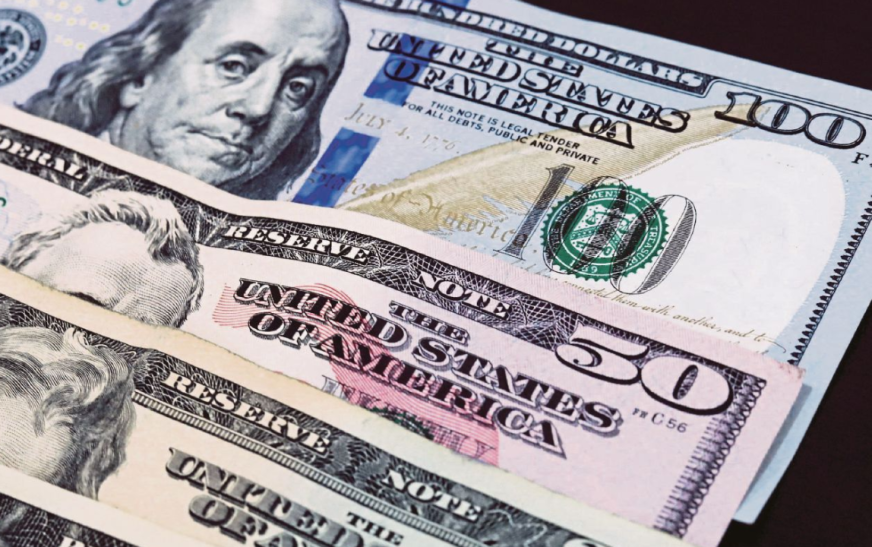
The dollar forecast turned more cautious after the U.S. currency retreated from a six-week high, pressured by falling Treasury yields and rising hopes that Washington may be moving closer to a deal with Iran to end the Middle East war. According to the original Reuters report published through TradingView, the dollar index fell 0.21% to 99.10 as investors responded to signs of possible diplomatic progress and a sharp pullback in U.S. yields.
The move marks a shift from the recent dollar rally, which had been driven by safe-haven demand, elevated oil prices, inflation concerns, and rising expectations that the Federal Reserve may need to adopt a more hawkish stance. Benchmark 10-year Treasury yields had reached a 16-month high on Tuesday, while 30-year yields climbed to their highest level since 2007. Those yield moves had helped support the dollar before Wednesday’s retreat.
The foreign exchange market is now balancing two competing forces. On one side, hopes for an Iran deal are reducing safe-haven demand and pulling Treasury yields lower. On the other side, Federal Reserve meeting minutes showed growing support among officials for preparing the market for a possible rate hike. That keeps the dollar supported from a policy perspective, even if short-term geopolitical relief creates pressure.
Why the Dollar Fell From a Six-Week High
The dollar dipped because investors began reducing some of the safe-haven and yield-driven positions that had pushed the currency higher. President Donald Trump said negotiations with Iran were in the final stages, while warning of further attacks if Tehran does not agree to a deal. That combination created cautious optimism that the conflict may be approaching a turning point.
When geopolitical risk eases, the dollar can lose some of its defensive appeal. The dollar often strengthens during periods of stress because investors seek liquidity, stability, and exposure to U.S. assets. When risk sentiment improves, capital can rotate into equities, commodity currencies, emerging markets, and other risk-sensitive assets.
The fall in Treasury yields also mattered. The dollar has been closely tied to U.S. yield moves because higher yields make dollar-denominated assets more attractive. When yields drop, the relative appeal of the dollar can weaken. In this case, a sharp decline in yields after Iran deal hopes emerged helped pull the dollar lower.
There was also a technical element. The Reuters report noted that the greenback was approaching levels that suggested some giveback was due. After a strong rally, even a supportive fundamental backdrop can produce short-term profit-taking.
Treasury Yields Remain Central to the Dollar Outlook
Treasury yields remain one of the most important drivers of the dollar forecast. When U.S. yields rise, the dollar often benefits because investors can earn more from dollar-denominated bonds and cash-like instruments. When yields fall, that support weakens.
The recent move in yields has been significant. The 10-year Treasury yield reached a 16-month high, while 30-year yields hit their highest level since 2007. These moves reflected inflation concerns, energy-price risks, and changing expectations for Federal Reserve policy.
The pullback in yields on Wednesday helped weaken the dollar, but it does not fully erase the broader trend. If inflation remains elevated and the Fed becomes more hawkish, yields may find support again. That could limit downside for the dollar even if geopolitical tensions ease.
This is why traders should not treat one day of dollar weakness as a full trend reversal. The currency may continue to respond quickly to yield moves, Fed signals, and Middle East headlines.
Fed Minutes Keep Rate-Hike Risk Alive
The most important counterweight to dollar weakness is Federal Reserve policy. Minutes from the Fed’s April meeting showed that a growing number of officials believe the central bank should lay the groundwork for a possible rate hike. That is a major change from the pre-war outlook, when markets had expected rate cuts this year.
Fed funds futures now price roughly 50% odds that the Fed will raise rates by January. Before the Iran war began in late February, markets were expecting two rate cuts this year. That reversal shows how much the inflation and policy narrative has changed.
Higher energy prices have made the Fed’s job more difficult. If the conflict keeps oil prices elevated, inflation could become more persistent and spread into core consumer spending. A resilient labor market and stronger economic growth also reduce the case for rate cuts.
This gives the dollar an important support base. Even if the currency dips on hopes for peace, investors may hesitate to sell aggressively while the Fed is moving toward a more restrictive discussion.
For broader updates on currencies, Fed policy, commodities, and macro risks, Finprozone latest market news provides regular coverage of the market forces shaping forex sentiment.
Kevin Warsh May Inherit a More Hawkish Fed
The Reuters report noted that incoming Fed Chair Kevin Warsh may inherit an increasingly hawkish group of central bankers. This matters because leadership transitions can influence market expectations, but the policy committee’s broader mood is equally important.
If more officials believe the Fed should prepare for a possible rate hike, Warsh’s early period as chair could be defined by inflation control rather than political pressure for easier policy. That would complicate expectations for near-term rate cuts, especially as Trump has acknowledged that rate cuts may need to wait until the Iran war concludes.
This matters for the dollar because central-bank credibility and rate expectations are major currency drivers. If markets believe the Fed remains committed to fighting inflation, the dollar may stay supported. If investors believe political pressure will push the Fed toward premature easing, the dollar reaction could become more complicated.
For now, the minutes suggest that the Fed is not ready to ignore inflation risk. That keeps the dollar’s medium-term outlook more resilient than Wednesday’s pullback alone might imply.
The Yen Is Near the Danger Zone
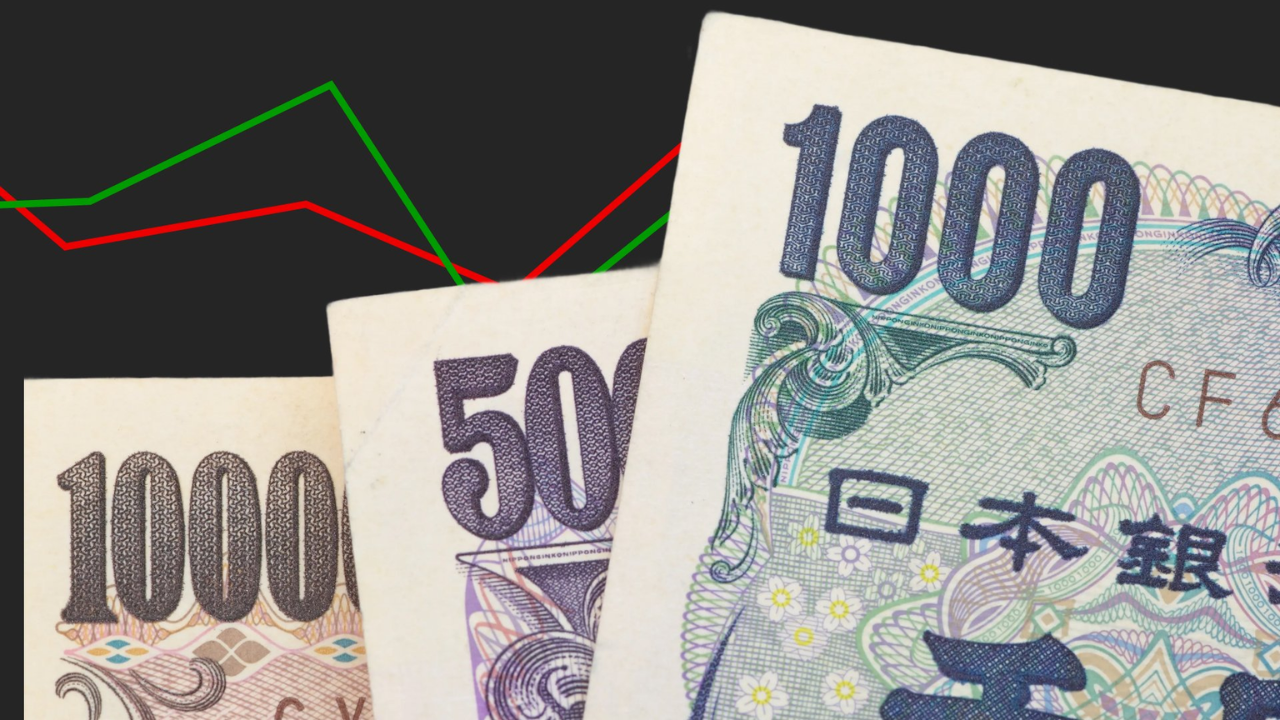
The Japanese yen remains one of the most important currencies to watch. USD/JPY was last around 158.82, close to the 160 level that recently prompted Japanese authorities to intervene in currency markets. The dollar’s recent strength had pushed the yen through seven consecutive losing days, the longest such stretch since October.
The yen’s weakness creates a clear policy problem for Japan. A weaker yen can lift import costs, especially for energy and food, adding inflation pressure to households and businesses. It can also create political pressure if consumers begin feeling the cost impact more directly.
Tokyo reportedly intervened at the end of April and in early May to slow the yen’s decline, but the strength proved short-lived. That shows the limits of intervention when underlying yield differentials continue to favor the dollar.
As Christopher Wong of OCBC noted in the Reuters report, intervention risk may make markets more cautious about chasing USD/JPY higher. However, unless U.S. Treasury yields and the broader dollar soften, official action may only slow the move rather than reverse it.
Why Intervention May Not Be Enough
Currency intervention can affect markets quickly, but it rarely changes a long-term trend unless the fundamentals also shift. In the case of the yen, the main issue is the gap between U.S. and Japanese interest rates. If U.S. yields remain high and Japan’s rates remain comparatively low, investors still have an incentive to hold dollars over yen.
The Bank of Japan can support the yen by raising rates or signaling further tightening. U.S. Treasury Secretary Scott Bessent said he was confident that BOJ Governor Kazuo Ueda would do what he needs to do if granted sufficient independence by Japan’s government. That statement suggests Washington wants Japan to use monetary policy, not just intervention, to address yen weakness.
Still, the BOJ faces its own trade-offs. Raising rates too quickly could affect Japan’s economy, debt markets, and financial conditions. Moving too slowly could keep the yen under pressure.
This is why USD/JPY remains a high-risk pair. Traders must balance intervention risk, BOJ policy expectations, U.S. yields, and dollar momentum.
Euro and Sterling Gain as Dollar Softens
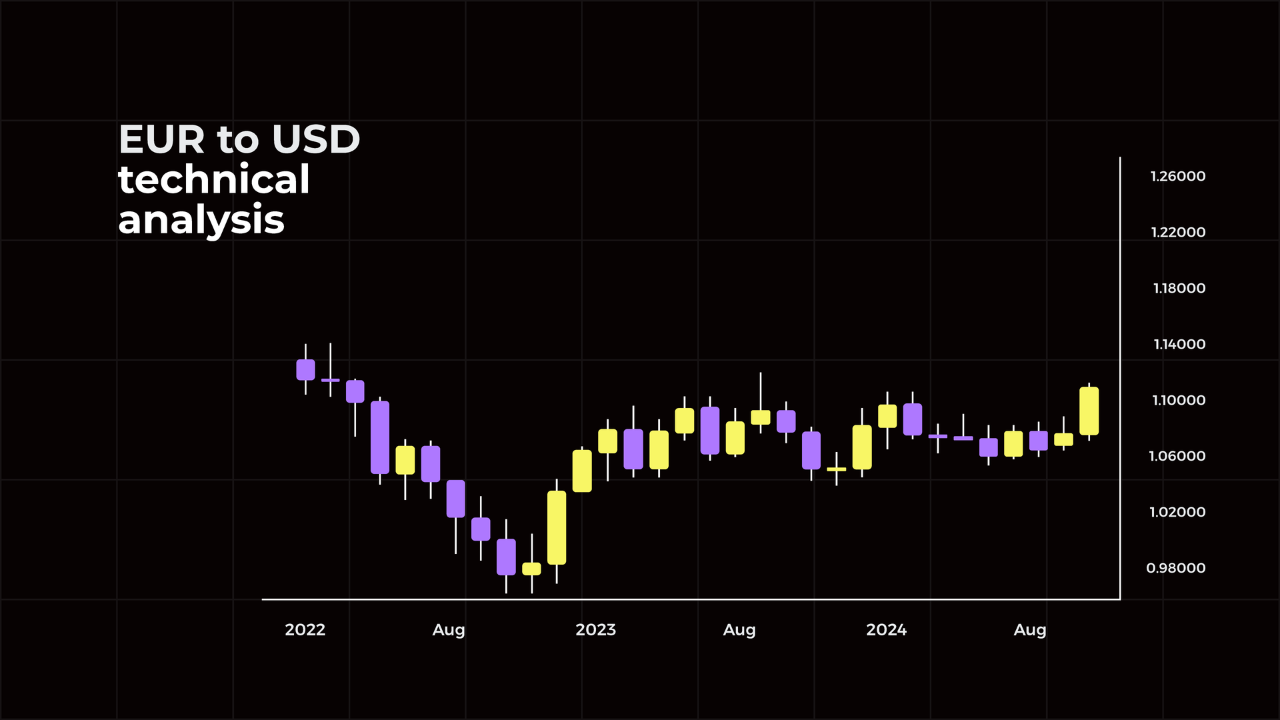
The dollar’s pullback helped major European currencies. The euro rose 0.21% to $1.1628, while sterling gained 0.37% to $1.3442. These moves suggest that part of the session’s dollar weakness reflected broader positioning rather than only yen-specific dynamics.
The euro can benefit when the dollar weakens, especially because the DXY index has a large euro weighting. However, the euro’s upside still depends on the European Central Bank outlook, eurozone inflation, energy exposure, and growth conditions.
Sterling’s gain reflects the same broad dollar softness, but the pound also faces its own policy questions. The Bank of England must balance inflation risks from energy prices against signs of softer domestic data. If U.K. inflation pressure remains elevated, sterling may receive support from rate expectations. If growth weakens, that support may fade.
For now, the euro and pound are benefiting from dollar giveback, but sustained gains will require confirmation that U.S. yields remain lower and geopolitical risk continues easing.
Australian Dollar Signals Improved Risk Sentiment
The Australian dollar gained 0.63% against the greenback to $0.5871. The Aussie is often viewed as a risk-sentiment barometer because it is tied to commodities, China-related expectations, and global growth appetite.
Its rise suggests that traders were more willing to take risk as hopes for an Iran deal improved. If Middle East tensions ease, oil inflation pressure may decline, global growth concerns may soften, and commodity-linked currencies may receive support.
However, the Australian dollar remains sensitive to global risk conditions. If Iran negotiations fail or U.S. yields rebound, risk-sensitive currencies could lose ground quickly. That makes the Aussie’s move constructive, but still dependent on follow-through from diplomacy and bond markets.
The Dollar’s Safe-Haven Role Is Being Tested
The dollar is caught between its safe-haven role and its yield advantage. During the recent escalation, both forces supported the currency. Investors bought dollars because geopolitical risk was high and because U.S. yields were rising.
Now, hopes for an Iran deal are weakening one side of that support. If safe-haven demand fades and yields continue lower, the dollar could extend its pullback. But if Fed hike expectations remain strong, the currency may stay supported even without the same level of geopolitical fear.
This is why the dollar forecast is balanced rather than clearly bearish. The short-term move is lower, but the medium-term policy backdrop remains supportive.
What Could Push the Dollar Lower?
The dollar could weaken further if Iran negotiations produce a credible deal, oil prices fall, Treasury yields continue retreating, and risk appetite improves. In that scenario, investors may reduce defensive dollar exposure and rotate into higher-beta currencies.
A softer dollar could also follow if future economic data weakens enough to reduce Fed hike expectations without triggering a broader risk-off move. That would be a narrow but possible path.
Technical positioning may add to the move. If traders who bought the dollar during the recent rally begin taking profits, the pullback could extend toward lower support zones.
What Could Support the Dollar Again?
The dollar could regain strength if Iran talks fail, oil prices rise again, inflation fears intensify, or Fed officials sound more hawkish. A rebound in Treasury yields would also support the currency.
Stronger U.S. economic data could reinforce rate-hike expectations, especially if labor and inflation figures remain firm. If markets increase the probability of a Fed hike, the dollar may recover quickly.
Renewed yen weakness could also support the dollar through USD/JPY, although intervention risk may limit aggressive buying near 160.
Market Takeaway: Dollar Weakness Depends on Iran Progress
The dollar forecast has softened after hopes for an Iran deal pushed Treasury yields lower and reduced some safe-haven demand. The dollar index’s decline to 99.10 shows that traders are willing to take profits after the recent rally when geopolitical risks appear to ease.
However, the broader dollar story is not broken. Fed minutes showed growing support for a possible rate hike, markets now price meaningful odds of tightening by January, and the labor market remains resilient. Those factors can keep the dollar supported if yields stabilize or rebound.
The yen remains the highest-risk currency in this setup. USD/JPY near 160 keeps intervention risk alive, but official action may not create a durable reversal unless U.S. yields and the broad dollar weaken.
For now, the dollar’s next move depends on two questions: whether Iran negotiations produce real progress, and whether the Fed continues shifting toward tighter policy.
FAQ
Why did the U.S. dollar fall?
The dollar fell because hopes for a U.S.-Iran deal reduced safe-haven demand and pushed Treasury yields lower. The currency had also rallied strongly, making some pullback likely as traders took profits near technical levels.
Why do Treasury yields affect the dollar?
Treasury yields affect the dollar because higher yields make dollar-denominated assets more attractive to global investors. When yields fall, that support weakens. This is why the dollar often moves closely with U.S. bond-market expectations.
Why are Fed minutes important for the dollar forecast?
Fed minutes are important because they show how policymakers are thinking about inflation and interest rates. The latest minutes showed growing support for laying the groundwork for a possible rate hike, which can support the dollar over time.
Why is the yen near an intervention zone?
The yen is near an intervention zone because USD/JPY is close to the 160 level, where Japanese authorities recently intervened to slow yen weakness. Traders are watching whether Tokyo steps in again if the yen continues falling.
How should traders follow the dollar forecast now?
Traders should track Iran negotiations, Treasury yields, Fed hike odds, USD/JPY levels, and risk sentiment. For scheduled economic releases and policy events, use the economic calendar for upcoming market events to follow key catalysts.