The gold price forecast turned more cautious after bullion fell sharply on Monday, pressured by a stronger U.S. dollar, rising Middle East tensions, and renewed inflation fears that kept higher-for-longer interest rate expectations firmly in focus. According to the original Reuters report published through TradingView, spot gold dropped 2% to $4,523.23 per ounce, while U.S. gold futures settled 2.4% lower at $4,533.30.
The decline is notable because gold is usually expected to benefit from geopolitical uncertainty. However, Monday’s price action showed that the metal’s safe-haven role can be overwhelmed when the dollar strengthens and traders reassess the interest-rate outlook. The latest escalation in the Middle East lifted energy prices, revived inflation concerns, and increased expectations that central banks may need to keep rates elevated for longer.
That combination created a difficult setup for gold. On one side, geopolitical risk and inflation concerns can support demand for bullion. On the other side, a stronger dollar and high interest rates reduce gold’s relative appeal because the metal does not offer yield. For traders, the immediate question is whether this pullback is a temporary shakeout or the start of a deeper correction in the precious metals market.
Why Gold Fell Despite Rising Geopolitical Risk
Gold often rises during periods of war risk, financial stress, or political uncertainty. In this case, however, the geopolitical shock worked through a different channel. The reported escalation involving Iran, ships in the Strait of Hormuz, and a UAE oil port pushed energy prices higher and supported the U.S. dollar. That created pressure on gold rather than immediate safe-haven buying.
A stronger U.S. dollar makes dollar-priced metals more expensive for buyers using other currencies. This can reduce international demand or at least slow fresh buying interest. When the dollar rises sharply, gold often struggles, even if the fundamental backdrop includes uncertainty.
The second factor was inflation. Higher oil prices can raise transportation, production, and consumer costs. If inflation expectations rise again, central banks may delay rate cuts or even consider further tightening. That is a problem for gold because bullion does not pay interest. When cash, bonds, or money-market instruments offer attractive returns, holding non-yielding gold becomes less compelling for some investors.
This explains the apparent contradiction. Geopolitical risk was high, but gold fell because the market focused more on the dollar and interest-rate implications than on traditional safe-haven demand.
The Dollar Remains a Major Headwind for Gold
The U.S. dollar was one of the clearest drivers behind gold’s decline. When global risk rises, investors often move into the dollar because it is the world’s main reserve currency and a preferred liquidity asset. That can create a situation where both gold and the dollar attract safe-haven attention, but the dollar’s strength becomes the dominant short-term force.
For gold traders, the dollar relationship is essential. Gold is priced globally in dollars. If the dollar rises, gold becomes more expensive for foreign buyers, which can weaken demand. If the dollar falls, gold becomes cheaper internationally, often helping prices.
Monday’s move showed that dollar strength can overpower other supportive factors. Even with Middle East risks in focus, spot gold still dropped by 2%. That suggests traders were not simply buying fear. They were calculating how the escalation could affect inflation, interest rates, and currency markets.
The next phase of the gold market outlook will depend heavily on whether the dollar continues to firm. If the dollar keeps rising because of geopolitical stress and higher rate expectations, gold may remain under pressure. If the dollar rally fades, bullion could recover some lost ground, especially if geopolitical risk remains elevated.
Inflation Fears Complicate the Safe-Haven Case
Inflation is usually considered one of gold’s long-term support factors. Investors often buy gold as a hedge against currency debasement or persistent price increases. However, the relationship is not automatic. Gold tends to respond poorly when inflation leads to expectations for higher real interest rates.
The latest Middle East escalation pushed Brent crude prices higher by more than 5%, according to the source report. Higher energy prices can feed inflation across the economy. This gives central banks less room to ease policy and may force them to stay restrictive.
That is the key problem for gold. Inflation alone may support bullion. But inflation combined with hawkish central banks can pressure it. If investors believe policymakers will respond to higher inflation with higher interest rates, the opportunity cost of holding gold rises.
This is why gold fell even as inflation fears increased. The market was not ignoring inflation. It was reacting to the policy consequences of inflation. Traders appeared to judge that higher energy costs could delay Federal Reserve easing and keep rates elevated for longer.
Fed Rate-Cut Hopes Continue to Fade
One of the biggest pressures on gold came from shifting expectations around the Federal Reserve. The report noted that Barclays joined a growing list of brokerages expecting no Fed policy easing this year. That matters because gold has been highly sensitive to changing rate-cut expectations.
When traders expect the Fed to cut rates, gold often benefits. Lower rates reduce the yield advantage of cash and bonds, making non-yielding assets more attractive. Lower rates can also weaken the dollar, which adds another layer of support for gold.
When traders expect no rate cuts, the opposite happens. The dollar can strengthen, bond yields may remain elevated, and gold can lose momentum. This appears to be exactly what happened in Monday’s session.
The Fed had already left rates unchanged in a divided decision, with policymakers concerned about the inflation impact of higher energy prices. That created a more hawkish backdrop. As markets priced out rate cuts, gold faced renewed selling pressure.
For investors following metals, currencies, and macro policy, Finprozone latest market news provides regular coverage of the major forces shaping commodities, forex, equities, and central-bank expectations.
Gold’s No-Yield Problem Is Back in Focus
Gold’s biggest structural weakness in a high-rate environment is simple: it does not generate income. Unlike government bonds, savings products, or dividend-paying equities, gold relies on price appreciation and store-of-value demand.
That does not make gold unattractive. It simply means the metal faces tougher competition when interest rates are high. If investors can earn meaningful returns in low-risk instruments, some may reduce exposure to gold, especially after a strong rally.
This no-yield issue becomes more important when central banks sound hawkish. If markets expect rate cuts, gold’s lack of yield matters less. If markets expect rates to stay high, the opportunity cost becomes more visible.
The latest price action reflects that tension. Gold remains supported by longer-term concerns about inflation, debt, geopolitical instability, and currency risk. But in the near term, the high-rate environment may encourage traders to exit positions or reduce exposure.
Key Support Levels Come Into View
The report cited Bart Melek of TD Securities, who pointed to strong support levels around $4,200 for gold. That level is important because it gives traders a potential reference point if selling pressure continues.
From a market-structure perspective, support levels matter because they show where buyers may step in. If gold approaches $4,200 and stabilizes, traders may interpret the move as a healthy correction within a broader uptrend. If gold breaks below that area with momentum, the market may begin to price a deeper adjustment.
The current spot level around $4,523 leaves room before that support zone comes into play. However, the speed of Monday’s decline suggests traders should not ignore downside risk. A 2% move in gold is significant, especially when it happens alongside a stronger dollar and rising rate expectations.
The technical setup now depends on whether buyers defend the market after the pullback. If gold holds above key support zones and the dollar rally slows, the metal may regain stability. If U.S. data strengthens and rate-cut expectations continue to fade, gold could face another round of selling.
U.S. Jobs Data Could Shape the Next Gold Move
This week’s U.S. labor-market data could become the next major catalyst for gold. The report highlighted upcoming job openings, ADP employment data, and the April payrolls report. These releases matter because they can influence Federal Reserve expectations.
If labor-market data comes in strong, markets may conclude that the Fed has even less reason to cut rates. That could strengthen the dollar and pressure gold further. Strong employment conditions can keep wage pressure alive, support consumer spending, and complicate the inflation outlook.
If labor data weakens, gold may find support. A softer labor market could revive rate-cut expectations and reduce the dollar’s appeal. That would improve the environment for bullion, especially if geopolitical risks remain elevated.
This is why the gold price forecast is now closely tied to macro data. The metal is not only reacting to war risk or energy prices. It is also reacting to how those factors influence the Fed’s policy path.
Silver, Platinum, and Palladium Also Show Stress
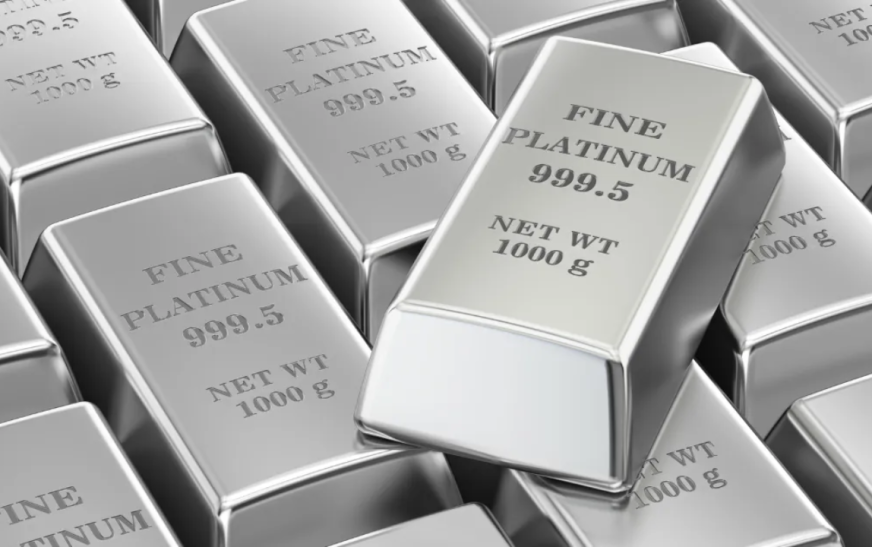
The broader precious metals market showed mixed but mostly pressured trading. Spot silver fell 3.2% to $72.95, platinum lost 1.7% to $1,955.95, and palladium dropped 2.9% to $1,481.00. These moves suggest that the pressure was not limited to gold.
Silver’s decline was especially notable because silver often carries both precious-metal and industrial-metal characteristics. When traders reduce metals exposure broadly, silver can move sharply. Platinum and palladium also tend to react to industrial-demand expectations, auto-sector trends, and broader commodity sentiment.
The fact that multiple metals fell supports the view that the market was responding to a wider macro repricing rather than a gold-specific issue. Rising dollar strength, rate concerns, and risk reduction likely affected the entire complex.
Still, gold remains the central market to watch because it is the most widely held monetary metal and often acts as the benchmark for precious-metals sentiment.
Is the Gold Rally Still Intact?
The longer-term gold rally is not necessarily broken by one sharp decline. Gold can correct even during strong bull markets, especially after rapid gains. However, the latest move does raise the bar for near-term upside.
For the rally to regain momentum, gold likely needs one of several catalysts. The dollar could weaken. U.S. data could disappoint. Fed rate-cut expectations could return. Geopolitical risks could intensify in a way that triggers direct safe-haven buying rather than dollar-led pressure. Inflation fears could rise without an equal increase in rate expectations.
Without one of those catalysts, gold may remain choppy. Traders may be reluctant to build aggressive long positions while the Fed appears hawkish and the dollar remains supported.
That said, broader issues later in the year could still support gold. Persistent geopolitical instability, energy-market shocks, fiscal concerns, and uncertainty around central-bank policy may keep strategic demand alive. The question is whether short-term rate pressure dominates before longer-term support reasserts itself.
Market Takeaway: Gold Is Caught Between Fear and Rates
The current gold market outlook is defined by a tug-of-war. Geopolitical risk, inflation anxiety, and long-term uncertainty continue to support the case for gold. But dollar strength, high interest rates, and fading Fed rate-cut expectations are pushing in the opposite direction.
Monday’s 2% drop showed that, at least for now, the rate and dollar channel is winning. Traders are not abandoning gold’s long-term role, but they are reassessing whether current prices fully reflect the risk of a higher-for-longer policy environment.
For investors, the key is to avoid assuming that geopolitical tension always lifts gold. The market’s reaction depends on how that tension affects the dollar, oil prices, inflation, and central-bank expectations. In this case, the escalation supported the dollar and raised inflation fears, which worked against gold.
FAQ
Why did gold fall even though Middle East tensions increased?
Gold fell because Middle East tensions strengthened the U.S. dollar and increased inflation fears. Higher inflation expectations can push central banks to keep rates elevated. Since gold offers no yield, higher rates can reduce its appeal even when geopolitical uncertainty is high.
How does the U.S. dollar affect gold prices?
Gold is priced in U.S. dollars, so a stronger dollar makes it more expensive for buyers using other currencies. That can weaken demand and pressure prices. A weaker dollar often has the opposite effect, making gold more attractive to global buyers.
Why do higher interest rates hurt gold?
Higher interest rates increase the opportunity cost of holding gold because bullion does not pay interest or dividends. When bonds and cash offer better returns, some investors may reduce gold exposure, especially if they expect rates to remain high for longer.
What support level matters for the gold price forecast?
The report highlighted support around $4,200. Traders may watch this area to see whether buyers return after the recent decline. If gold holds above that zone, the pullback may remain controlled. A break below it could signal deeper downside risk.
What should traders watch next for gold?
Traders should watch U.S. jobs data, Fed rate expectations, the dollar, oil prices, and geopolitical headlines. For timing important releases and policy events, use the economic calendar for upcoming market events to track catalysts that may affect gold.