
JPMorgan CEO Jamie Dimon is drawing a bright line in the sand as Washington’s crypto rulebook remains unfinished: if a company wants to pay “rewards” on stablecoin balances, it should accept the same oversight banks live with every day. In other words—if it walks like a bank and pays like a bank, Dimon wants it regulated like a bank.
His comments land at an awkward time for the industry. The CLARITY Act missed its March 1 target date, the debate over stablecoin rewards is intensifying, and U.S. banking regulators are moving ahead with their own proposals that could reshape how platforms like Coinbase and PayPal handle customer incentives.
What’s happening now is less about one CEO’s opinion and more about a collision between two models of finance: the highly regulated banking system and the faster-moving crypto ecosystem that has been trying to offer bank-like features without bank-like constraints.
Dimon’s Core Argument: Same Product, Same Rules
In an interview with CNBC, Dimon said the core issue isn’t “banks versus crypto” as a rivalry. It’s the principle of regulatory equivalence: if a firm offers services that resemble deposit-taking and interest payments, it should be held to the same standards as insured banks.
His framing is blunt:
- If you hold customer balances and pay a yield on those balances, that’s effectively banking.
- If it’s banking, then the company should be regulated under banking rules—capital, liquidity, reporting, supervision, and governance.
Dimon’s point is that banks carry obligations that go far beyond “competition.” They are required to operate with guardrails designed to protect the financial system in stress scenarios. That includes:
- Capital requirements (loss-absorbing buffers)
- Liquidity requirements (ability to meet withdrawals)
- Transparency and reporting rules
- Board and governance standards
- Supervisory exams and compliance regimes
- Social and policy requirements banks must follow in exchange for operating privileges
In Dimon’s view, allowing non-banks to offer reward-like returns on customer balances without those constraints isn’t just unfair—it could also be destabilizing if something goes wrong at scale.
A Possible Compromise: Rewards Only on Transactions, Not Balances
Dimon did not completely slam the door. He floated a compromise that matters because it shows where a regulatory middle ground could form:
Stablecoin rewards could be allowed only on transactions, not on balances.
Why does that distinction matter?
- Rewards on balances resemble interest—which triggers the “this is banking” argument.
- Rewards on transactions resemble payment incentives—closer to how card networks and fintech apps offer perks for usage rather than paying yield on stored value.
If regulators accept this distinction, it could become a workable framework:
- Platforms can encourage stablecoin usage (spend, transfer, settle)
- But they cannot create a deposit-like product where the main value proposition is “park money here and earn”
That compromise would still frustrate parts of crypto—especially users who want stablecoin yield as a substitute for traditional savings returns—but it’s a realistic direction if lawmakers want to reduce systemic risk while still allowing innovation.tting-edge relationships via effective experiences. Collaboratively engage plug-and-play resources and competitive.

Why the CLARITY Act Delay Matters Right Now
The CLARITY Act is widely seen as the next major step in U.S. crypto market structure after last year’s GENIUS Act progress. But the missed March 1 milestone underscores a key reality: when legislation slows down, regulators don’t pause—they fill the vacuum.
That dynamic tends to create “regulation by patchwork,” where:
- Agencies issue rules and guidance inside their existing authority
- States pursue their own enforcement actions
- Companies face uncertainty about what will be allowed nationwide
JPMorgan has recently suggested the CLARITY Act could still pass by mid-2026, and that it could act as a catalyst for crypto markets later in the year. But even if it passes, the big debate is whether the impact is:
- a short-term “relief rally” from clarity, or
- a long-term structural boost that expands institutional participation
Dimon’s comments highlight the sticking point: stablecoin rewards have become one of the most politically sensitive pieces of the puzzle because they blur the line between payments and banking.
The OCC’s “Curveball”: Proposed Limits on Rewards for Holding Non-Issuer Stablecoins
While lawmakers argue, the Office of the Comptroller of the Currency (OCC) has moved forward with proposed rules that could restrict how certain companies offer rewards tied to stablecoins.
The proposal, as described in your source, targets a specific scenario:
- Companies like Coinbase or PayPal offering rewards to customers for holding stablecoins that the company did not issue.
That matters because it hits at the incentive layer that exchanges and fintech apps use to drive adoption—particularly for widely used third-party stablecoins.
Why would regulators care who issued the stablecoin?
Because from a supervisory standpoint, paying rewards on an asset you didn’t issue can look like:
- marketing a yield product on top of someone else’s liability, while
- shifting risk and responsibility in ways that are not always obvious to consumers
It also raises questions around:
- disclosure (what exactly is being promised?)
- consumer protection (is this “interest,” “rewards,” or something else?)
- liquidity management (what happens in stress?)
- operational and counterparty risk
The Trust Bank Angle: Conditional Approvals Raise the Stakes
Adding another layer, the report mentions that several crypto-native or crypto-adjacent entities received conditional approval to operate as national trust banks (as described), and more were added recently.
That’s important because it signals the direction regulators want to steer the industry:
If you want to behave like a bank, there is an on-ramp—become a regulated entity.
This directly supports Dimon’s message. He’s basically saying: “The door is open. Just walk through it—but don’t expect bank-like privileges without bank-like responsibilities.”
Market Read-Through: What This Means for Coinbase and PayPal
Even though the story is regulatory, the market implication is practical: rewards are not just a perk—they’re a growth lever. If rewards get restricted, platforms may have to choose between:
- reducing incentives (potentially slowing adoption), or
- restructuring products to fit within regulatory boundaries, or
- pursuing bank-like charters and compliance paths (expensive and slow)
Your source notes recent stock moves:
- Coinbase rallied during a broader Bitcoin push but weakened after hours
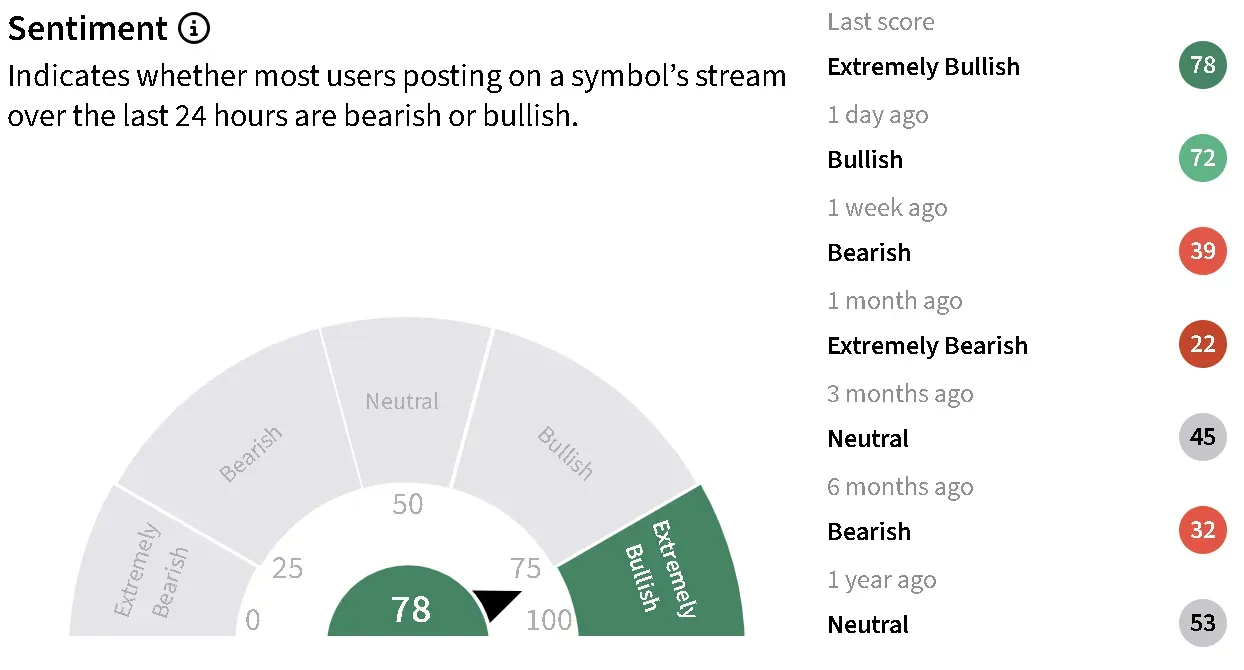
- PayPal was steadier, with retail sentiment described as more upbeat
That divergence makes sense. Coinbase is more directly tied to trading volume, policy headlines, and crypto market beta. PayPal is diversified, and stablecoin features are only one part of its ecosystem.
Still, if stablecoin rewards become harder to offer, it could pressure the “consumer adoption” narrative for both fintech and crypto platforms—especially those pitching stablecoins as a mainstream payment alternative.
Bottom Line: The Fight Is Over the Definition of a “Bank-like” Product
Dimon’s message is straightforward: stablecoin rewards on balances look too much like interest on deposits. If crypto firms want to offer that, he says they should accept the banking rulebook.
With the CLARITY Act delayed and the OCC proposing new restrictions under the GENIUS Act framework, the market is drifting toward an environment where:
- “rewards for using” stablecoins may survive,
- but “yield for holding” stablecoins will face higher regulatory friction, especially when offered by non-banks.
And that’s the real tension: crypto wants to make money behave like software—fast, programmable, and incentive-driven—while regulators (and banks) want money to behave like money—stable, supervised, and boring enough to not break the system.ffers a range of opportunities for those who are willing to invest their time, effort, and resources into it.