Treasury yields climb as bond prices remain under pressure
Treasury yields moved higher on Tuesday as U.S. government bonds remained under pressure from rising crude oil prices, persistent Middle East tensions and caution ahead of the Federal Reserve’s policy decision. Bond prices recovered from early lows during the session, but they still finished in negative territory, keeping yields elevated.
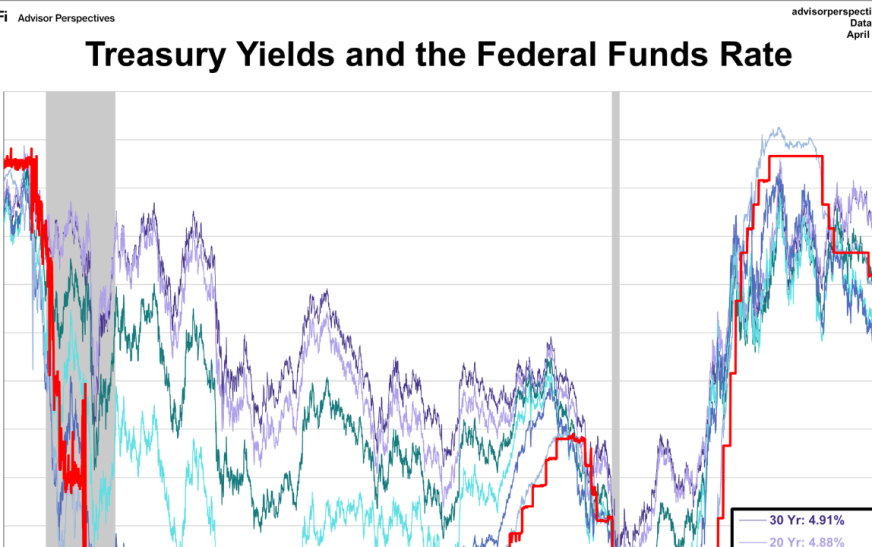
According to the original dpa-AFX report via TradingView, the yield on the benchmark 10-year Treasury note rose 1.8 basis points to 4.354% after touching an intraday high of 4.378%. Since bond prices move inversely to yields, the rise in yields reflected continued selling pressure in the Treasury market.
The latest move followed a 2.6 basis point increase on Monday, leaving the 10-year yield at its highest closing level in a month. That matters because Treasury yields influence borrowing costs across the U.S. economy, including mortgages, corporate debt, consumer loans and equity valuations.
The pressure came mainly from oil. U.S. crude oil futures surged above $100 per barrel before giving back some ground, as the stalemate between the United States and Iran kept energy markets tense. Higher oil prices raise inflation concerns, and inflation concerns can make bonds less attractive unless yields rise enough to compensate investors.
Why rising oil prices hurt Treasuries
Crude oil is one of the most important macro drivers for the bond market right now. When oil prices rise sharply, investors worry that inflation may stay higher for longer. That can push Treasury yields upward.
Higher oil prices affect inflation through several channels. Gasoline becomes more expensive. Diesel and jet fuel costs rise. Transport, logistics and production expenses increase. Businesses may pass some of those costs to consumers, keeping price pressures alive across the economy.
For bond investors, this is a direct problem. Treasuries pay fixed interest. If inflation rises, the real value of those fixed payments declines. Investors may then demand higher yields to hold government bonds.
This explains why Treasuries weakened as oil surged. The move was not only about energy markets. It was about what energy prices could mean for the Federal Reserve, inflation expectations and the broader cost of capital.
The market is especially sensitive because oil has climbed during a period when investors were already waiting for Fed guidance. When a major inflation input rises before a central bank decision, bond traders usually become more cautious.
For broader market coverage across bonds, commodities and macro events, readers can follow Finprozone latest market news.
Middle East stalemate keeps inflation risk alive
The Middle East conflict remains the main reason oil prices are elevated. The latest spike came as investors judged that President Donald Trump was unlikely to accept Iran’s proposal to reopen the Strait of Hormuz and end the war while setting aside discussions on Iran’s nuclear program.
That issue is central because the Strait of Hormuz is one of the world’s most important oil transit routes. If the strait remains restricted or unstable, energy traders must price in tighter supply and higher risk premiums.
The report noted that Trump claimed Iran was in a “state of collapse” and wanted to reopen the strait quickly while dealing with its leadership situation. CNN also reported that Iran was preparing a revised proposal, with mediators in Pakistan waiting for the new plan.
For bond markets, the exact diplomatic language matters less than the uncertainty itself. If traders do not see a credible path to reopening supply routes and stabilizing oil flows, they will continue to price inflation risk into yields.
This is why Treasury yields can rise even when geopolitical stress would normally support safe-haven buying. In a traditional risk-off market, Treasuries often gain as investors seek safety. But when the geopolitical shock raises inflation through oil prices, bonds can sell off instead.
The 10-year yield reaches a one-month high
The 10-year Treasury yield rising to its highest closing level in a month is an important signal. The 10-year note is one of the most watched benchmarks in global finance. It influences mortgage rates, corporate borrowing, equity valuations and international capital flows.
At 4.354%, the yield reflects a market that is still concerned about inflation and policy uncertainty. The intraday high of 4.378% also shows that selling pressure was stronger earlier in the session before some buyers returned.
The partial recovery in bond prices suggests that investors are not abandoning Treasuries completely. Some buyers may see higher yields as attractive, especially before a Fed decision. Others may be reducing risk after the initial oil-driven move.
Still, the close in negative territory matters. It shows the market did not fully reverse the weakness. Treasury investors remain cautious because oil prices, Middle East headlines and Fed guidance are all unresolved.
A sustained move above recent yield levels could tighten financial conditions further. That would matter for both the economy and risk assets.
Federal Reserve decision becomes the next major test
The Federal Reserve’s monetary policy announcement on Wednesday is the next major event for Treasury markets. The Fed is widely expected to leave interest rates unchanged, so the key focus will be the statement and guidance.
Traders want to know how policymakers view inflation risks. If the Fed suggests that higher oil prices could keep inflation elevated, Treasury yields may remain under upward pressure. If the Fed says it can look through temporary energy shocks, bond yields may stabilize.
The tone matters because markets are trying to understand whether rate cuts remain possible later or whether the Fed will stay restrictive for longer. A higher-for-longer message would likely support short-term yields and could keep the 10-year yield elevated.
The Fed also has to balance inflation risk against growth risk. Higher oil prices can hurt consumers and businesses. If the energy shock slows spending and investment, the economy could weaken. But if prices rise first, the Fed may hesitate to ease policy.
That tension is why the bond market is so sensitive right now. The Fed’s words may matter more than the decision itself.
Why the Fed may avoid sounding too dovish
The Fed is unlikely to ignore the oil shock. Even if officials believe the price surge is temporary, they must consider how it affects inflation expectations.
If consumers and businesses start expecting higher prices, inflation can become harder to control. Workers may demand higher wages. Companies may raise prices more aggressively. Bond investors may demand higher yields.
A dovish Fed message during an oil-driven inflation spike could risk loosening financial conditions too soon. That could weaken confidence in the central bank’s inflation control.
At the same time, sounding too hawkish could pressure markets and increase borrowing costs. The Fed therefore needs to communicate caution without creating panic.
For Treasury investors, the difference between “rates are on hold while we wait” and “rates may need to stay high because inflation risk is rising” is significant. The first message could stabilize bonds. The second could keep yields rising.
Bond prices recovered from early lows, but sentiment remains fragile
One important detail is that Treasuries climbed off their early lows. This suggests that buyers emerged after the initial sell-off. However, the market still ended weaker, which points to fragile sentiment.
A partial recovery can happen for several reasons. Some investors may view higher yields as attractive. Others may cover short positions ahead of the Fed decision. Some may believe oil’s move above $100 will not last if diplomatic talks resume.
But the failure to move into positive territory shows that the bearish forces remain stronger for now. Higher oil prices, inflation worries and uncertainty about the Fed are still weighing on the market.
The bond market often moves in stages. First, yields rise on a shock. Then investors reassess whether the move has gone too far. The next phase depends on confirmation. If oil stays high and the Fed sounds cautious, yields may extend gains. If oil retreats and the Fed reassures markets, Treasuries could recover.
What higher Treasury yields mean for stocks
Rising Treasury yields are not only a bond-market issue. They also affect stocks. When yields rise, equity valuations can come under pressure because future earnings are discounted at higher rates.
This is especially important for growth stocks and technology companies. Their valuations often depend on earnings expected far in the future. Higher yields reduce the present value of those future cash flows.
Higher yields can also make bonds more competitive with equities. If investors can earn attractive returns from Treasuries, they may demand better risk compensation from stocks.
The impact is not always negative for every sector. Banks may benefit from higher rates in some environments, and energy companies may benefit from higher oil prices. But broad equity markets often become more cautious when yields rise because financing costs increase and valuation multiples face pressure.
This is why investors across asset classes watch the 10-year yield closely.
What higher Treasury yields mean for consumers
Treasury yields also affect household finances. Mortgage rates often move with longer-term yields. If 10-year yields rise, mortgage costs can remain elevated or climb further. That can weigh on housing affordability.
Consumer loans, auto loans and credit conditions can also be influenced by broader interest-rate levels. If yields rise because inflation concerns are worsening, borrowing conditions may stay tight for longer.
This matters because consumers are already dealing with higher gasoline prices. A combination of high fuel costs and high borrowing costs can reduce discretionary spending.
For the economy, that creates a difficult mix. Stronger inflation pressures push yields higher, while higher yields and energy costs can eventually weaken demand. That is exactly the type of environment central banks find difficult to manage.
What Treasury traders should watch next
Treasury traders should watch several key signals after this move.
The first is the Fed statement. Any language about inflation, oil prices or future rate cuts could move yields quickly.
The second is Powell’s tone. If he sounds more concerned about inflation, bond yields may stay elevated. If he emphasizes patience and data dependence, the market may calm.
The third is crude oil. A sustained move above $100 would keep inflation pressure alive. A pullback could help Treasuries recover.
The fourth is Middle East diplomacy. A revised Iranian proposal or progress through mediators in Pakistan could reduce energy risk. Continued deadlock would keep pressure on oil and bonds.
The fifth is the 10-year yield’s technical behavior. If yields break above recent highs, momentum could build. If they fail to hold elevated levels, buyers may return.
For investors tracking central bank decisions and macro releases, Finprozone’s economic calendar for upcoming market events can help follow the next key catalysts.
Conclusion
Treasury yields rose again on Tuesday as oil prices surged above $100 per barrel and investors prepared for the Federal Reserve’s policy decision. The 10-year yield increased 1.8 basis points to 4.354%, after touching 4.378% earlier in the session. The move followed Monday’s increase and left yields at their highest closing level in a month.
The pressure on Treasuries reflects the market’s concern that higher crude oil prices could keep inflation elevated. The ongoing U.S.-Iran stalemate and uncertainty around the Strait of Hormuz have kept oil risk high, making bond investors demand more compensation.
The Fed is expected to hold rates steady, but the statement and guidance will be critical. If policymakers sound worried about inflation, Treasury yields may remain under pressure. If they treat the oil spike as temporary and avoid a hawkish message, bonds could stabilize.
For now, the bond market remains caught between safe-haven demand and inflation fear. The inflation side is winning. Until oil prices cool or the Fed gives investors a reason to relax, Treasury yields may stay elevated.
FAQ
Why did Treasury yields rise?
Treasury yields rose because crude oil prices surged above $100 per barrel, increasing inflation concerns. Bond investors demanded higher yields as the Middle East conflict kept energy-market risk elevated ahead of the Federal Reserve decision.
What happened to the 10-year Treasury yield?
The 10-year Treasury yield rose 1.8 basis points to 4.354% after reaching an intraday high of 4.378%. It added to Monday’s increase and closed at its highest level in a month.
Why do oil prices affect Treasury yields?
Oil prices affect Treasury yields because higher energy costs can raise inflation expectations. If inflation risk rises, investors often demand higher yields to compensate for the lower real value of fixed bond payments.
What is the Fed expected to do?
The Federal Reserve is widely expected to leave interest rates unchanged. Traders will focus on the policy statement for clues about inflation risks, oil prices and the future path of interest rates.
What should bond investors watch next?
Bond investors should watch the Fed statement, Jerome Powell’s tone, crude oil prices, Middle East negotiations and the 10-year yield’s technical levels. These factors will shape whether Treasury yields keep rising or stabilize.