Oil prices climb as supply fears remain at the center of the market
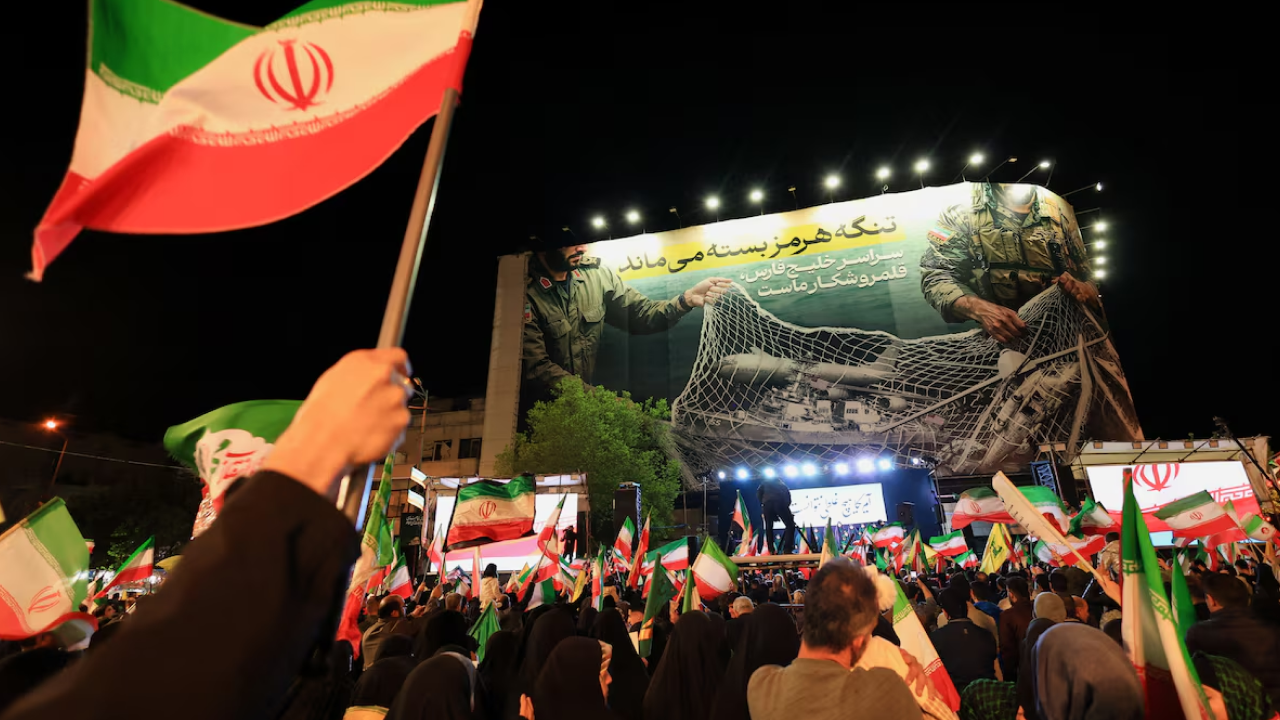
Crude oil moved sharply higher on Thursday as traders continued to react to the ongoing closure of the Strait of Hormuz, one of the most important energy shipping corridors in the world. With traffic still severely disrupted and peace efforts between the United States and Iran still delayed, the market remains focused on the risk of prolonged supply interruptions and the broader inflationary impact of elevated energy prices.
West Texas Intermediate crude for June delivery was last trading higher by $2.49, or about 2.68%, at $95.45 a barrel. The move reflects a market that remains highly sensitive to geopolitical developments and still sees the current gulf crisis as a serious threat to global energy flows.
What is driving oil higher is not just the existence of conflict, but the growing sense that the situation around Hormuz is not close to normalizing. As long as the waterway remains effectively blocked and negotiations fail to restart in a meaningful way, energy traders are likely to keep pricing in a significant geopolitical premium.
The Hormuz closure continues to dominate the outlook
The central issue for the oil market remains the closure of the Strait of Hormuz. Soon after the war involving U.S.-Israeli forces and Iran began, Iran moved to block the shipping route, creating immediate concern about the security of one of the most strategically important chokepoints in global trade.
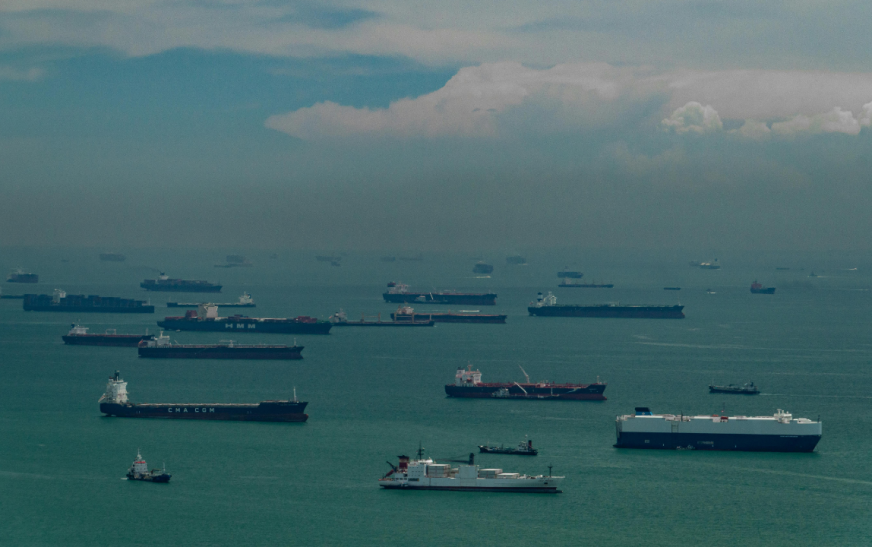
That concern has not eased. Traffic through the strait remains closed, and the twin blockades imposed by both Iran and the United States have brought a major part of the global oil trade moving through the region close to paralysis. As a result, the market continues to operate under the assumption that supply risk remains elevated and that any resolution may still take time.
This matters because Hormuz is not just another route. It is a critical artery for crude exports. When disruption there persists, traders quickly reassess supply expectations, shipping costs, energy security, and inflation risk all at once. That is exactly what the market is doing now.
The ceasefire extension has not resolved the standoff
President Donald Trump extended the ceasefire on attacks against Iran for an unspecified period, but that move has not resolved the broader standoff between Washington and Tehran. Instead, it has highlighted how fragile and incomplete the diplomatic situation remains.
The war has now entered its eighth week, and although the original ceasefire announced on April 8 was designed to halt U.S. strikes on Iran for two weeks, that temporary pause was due to end on April 22. Ahead of that deadline, the United States agreed to pursue a second round of negotiations with Iran after pressure from regional intermediaries.
But the extension of the ceasefire did not create a breakthrough. Iran has continued to reject negotiations while U.S. naval restrictions remain in place, and that refusal has kept the confrontation in a dangerous holding pattern. For the oil market, that means the conflict is no longer just about immediate military escalation. It is about the risk of prolonged instability without a clear diplomatic exit.
U.S.-Iran peace talks remain stalled
The failure to restart talks is one of the main reasons oil prices remain supported. Iran refused to take part in negotiations after U.S. forces captured an Iranian-flagged vessel in the Strait of Hormuz. In response, Trump ordered a blockade of all vessels entering or leaving Iranian ports, further escalating the maritime confrontation.
That development worsened an already tense situation. What had appeared to be a fragile path toward a second round of talks quickly gave way to renewed strategic pressure, with both sides adopting harder positions. Iran has made clear that it will not join talks while U.S. naval restrictions remain active. From the market’s perspective, that creates a diplomatic deadlock with direct implications for supply.
In practical terms, traders are dealing with a situation in which military escalation has paused in some respects, but the conditions needed for a real de-escalation still do not exist. That is why the extension of the ceasefire has not been enough to calm oil markets.
Military threats are keeping the geopolitical premium alive
The rhetoric from both sides has also helped keep energy markets on edge. Trump warned that the United States would begin striking Iranian energy and power infrastructure aggressively if Tehran failed to reach a deal. Iran responded by saying it had “new cards” on the battlefield.
Those exchanges matter because they reinforce the idea that the conflict could easily intensify again. Even without an immediate return to broader attacks, the market has to account for the possibility that critical energy infrastructure could become a target if diplomacy remains frozen.
That risk is one reason oil continues to hold a strong geopolitical premium. Energy traders are not just watching the current disruption. They are trying to price the possibility of further disruption, including direct threats to production facilities, export terminals, shipping lanes, and energy logistics across the broader region.
Iran’s actions in the strait have added to market anxiety
Tensions rose further as Iran continued offensive activity despite the ceasefire extension. Reports indicated that Iran seized two vessels across the Hormuz Strait, deepening concern about maritime security and raising the stakes for any future shipping movement through the corridor.
At the same time, Trump issued a “shoot on sight” directive for any Iran-linked boat attempting to lay sea mines in the strait. He also said that U.S. minesweepers were operating at a “tripled up level” to remove mines already planted by Iran.
These developments reinforce the perception that the region remains extremely unstable even without a formal collapse of the ceasefire. For oil traders, each additional maritime action strengthens the case that a full reopening of Hormuz may still be some distance away.
The longer that uncertainty persists, the harder it becomes for markets to assume any quick return to normal shipping flows.
Washington still believes pressure could force a deal
Trump has argued that the United States has effectively taken control of the Strait of Hormuz and sealed it tightly in order to pressure Iran into reaching an agreement. He also pointed to what he described as internal divisions within the Iranian regime between moderates and hardliners.
From Washington’s perspective, this suggests that maintaining pressure may eventually produce diplomatic movement. But from the market’s standpoint, that outcome remains speculative. What matters immediately is that the restrictions are still in place, shipping remains heavily constrained, and oil prices continue to reflect the uncertainty.
This difference between strategic intent and market reality is important. Governments may believe pressure creates leverage. Traders care about whether barrels can move, whether talks are actually happening, and whether the next escalation risk is rising or falling. Right now, the answer to those questions continues to support higher oil prices.
Inventory data offered only limited relief
Fresh U.S. inventory data added another layer to the market picture. Figures released on Wednesday showed a rise in crude inventories but a decline in gasoline and distillate stocks.
On paper, higher crude inventories might be expected to moderate some bullishness. But the broader market response suggests the inventory data was not enough to offset the geopolitical supply risk centered on Hormuz. In an environment where global shipping concerns dominate, weekly inventory changes are still relevant, but they are not the main driver.
The declines in gasoline and distillate inventories also matter because they indicate continued tightness in refined product markets. That can reinforce the inflationary effect of high crude prices, especially if transport and industrial fuel markets remain pressured.
So while the inventory report added detail, it did not materially change the larger bullish narrative shaping oil.
Inflation worries are helping support the rally
Another key reason oil remains strong is the inflation concern tied to the gulf crisis. Higher crude prices feed directly into transport costs, industrial inputs, and consumer energy bills. That makes the current move in oil important not only for commodity traders, but also for broader financial markets and central bank expectations.
The persistence of this crisis is helping keep inflation fears alive. As long as crude remains elevated, investors are likely to remain cautious about the possibility of interest rates staying high for longer across major economies. That creates a broader macro effect in which oil is not only responding to war, but also actively shaping expectations for monetary policy and growth.
This inflation channel adds staying power to the rally. Even if traders are not pricing an immediate collapse in supply, they are pricing the economic consequences of a prolonged disruption.
The market remains trapped between diplomacy and escalation
What defines the current oil market is the coexistence of two competing forces. On one side, there is still a diplomatic framework, however fragile, in the form of a ceasefire extension and outside efforts to host negotiations. On the other side, there is continued confrontation on the water, stalled talks, military threats, and no clear sign that shipping will resume normally anytime soon.
That mix leaves the market stuck in a tense middle zone. It is not pricing a full-scale resolution, and it is not yet fully pricing a worst-case regional energy collapse either. Instead, it is holding oil at elevated levels because the probability of prolonged disruption remains too high to ignore.
This type of environment often keeps volatility elevated. Each headline around Hormuz, negotiations, vessels, or military warnings can move prices quickly because the market still lacks a stable reference point.
Conclusion
Crude oil surged as the closure of the Strait of Hormuz continued to disrupt supply expectations and as U.S.-Iran peace talks remained delayed. Even though the ceasefire was extended, the broader standoff remains unresolved, with maritime restrictions, vessel seizures, military threats, and diplomatic paralysis all combining to keep the market under strain.
WTI moved toward $95.45 a barrel, reflecting persistent concern that the current gulf crisis could continue to choke energy flows and sustain inflation pressure across the global economy. Inventory data provided only limited relief, while the larger geopolitical risk around Hormuz remained the dominant force shaping sentiment.
For now, oil remains supported by a simple reality: the market still sees no credible path to a quick normalization of shipping, supply, or diplomacy in one of the world’s most important energy corridors.