The market outlook for the U.S. economy remains surprisingly firm, even as investors continue to weigh the impact of higher oil prices, sticky inflation, and the economic fallout from the Iran war. According to the original MarketWatch report published through TradingView, the U.S. economy has continued expanding despite concerns that the oil-price surge tied to the Iran conflict would weaken growth, pressure consumers, and slow hiring.
The latest data suggests that the economy is still moving forward. Businesses created more jobs than Wall Street expected for the second month in a row, unemployment remained low at 4.3%, and several recent indicators continued to point toward steady growth. That resilience has helped rebuild confidence after markets initially sold off following the outbreak of the Iran war.
The key question now is whether this strength can last. The economy is benefiting from business investment, high corporate profits, and a stable labor market. However, higher fuel costs, inflation pressure, and the fading impact of tax refunds may still weigh on households over the summer. In other words, the economy looks strong, but not untouchable.
Why the U.S. Economy Is Still Expanding
The main reason the U.S. economy continues to expand is that several growth engines remain active at the same time. Consumer spending has cooled compared with stronger periods, but it has not collapsed. Business investment remains strong, especially in new technologies such as artificial intelligence. Corporate profits remain high, giving companies room to absorb higher costs without immediately cutting jobs.
This mix has created a powerful support system. When companies remain profitable, they are less likely to reduce headcount. When unemployment stays low, consumers continue to earn income and spend. When consumers keep spending, businesses maintain sales and investment plans. That cycle helps the economy keep growing even when external shocks appear.
The Iran war created a clear risk because higher oil prices can affect nearly every part of the economy. Fuel costs influence transportation, production, household budgets, and inflation expectations. Yet so far, the shock has not been enough to stop growth.
That does not mean the risk is gone. It means the economy entered this period with enough strength to absorb the first round of pressure.
Labor Market Strength Remains the Core Support
The labor market is still one of the strongest pillars in the current market outlook. Businesses added more jobs than expected in both March and April, while unemployment stayed at 4.3%. That level of unemployment suggests most workers remain employed and continue to have income security.
A stable labor market matters because consumer spending is closely tied to job confidence. When people believe their employment is secure, they are more likely to keep spending on goods, services, travel, housing-related needs, and discretionary purchases. Even if higher gas prices hurt budgets, steady employment can prevent a sharper spending slowdown.
This is why the economy has not buckled under inflation and oil pressure. Higher fuel costs are painful, especially for middle- and lower-income households, but job security offsets some of that strain.
However, there is a limit. Some analysts cited in the source report doubt that the recent pace of job gains can continue. They point to lower job openings and business surveys showing more caution. If hiring slows meaningfully while inflation remains high, the economy could become more vulnerable.
For now, modest job growth may be enough. The economy does not need explosive hiring to stay resilient. It mainly needs unemployment to remain low and income growth to avoid a sharp deterioration.
Corporate Profits Are Helping Absorb the Shock
Corporate profitability is another major reason the U.S. economy has remained resilient. The report noted that S&P 500 profit margins in the first quarter may have reached a record high, according to a FactSet study cited by MarketWatch. That matters because strong margins give businesses more flexibility.
Companies with healthy profits can absorb higher costs from tariffs, oil prices, wages, and supply-chain pressure. They can also continue investing in technology, hiring selectively, and maintaining operations without immediate layoffs. That helps preserve the broader economic cycle.
This is especially important in the current environment because companies face several headwinds at once. Oil prices have risen because of the Iran war. Inflation remains sticky. Interest rates are still higher for longer. Tariffs add another cost layer. Under weaker profit conditions, those pressures might force businesses to cut jobs or reduce investment more aggressively.
Instead, strong margins have helped companies hold the line. That supports equities, employment, and business confidence.
The risk is that margins may not stay at record levels forever. If input costs keep rising and consumers become less willing to absorb price increases, companies may face pressure later in the year. Investors should therefore watch whether profit strength continues into future earnings seasons.
AI Investment Is Becoming a Growth Engine
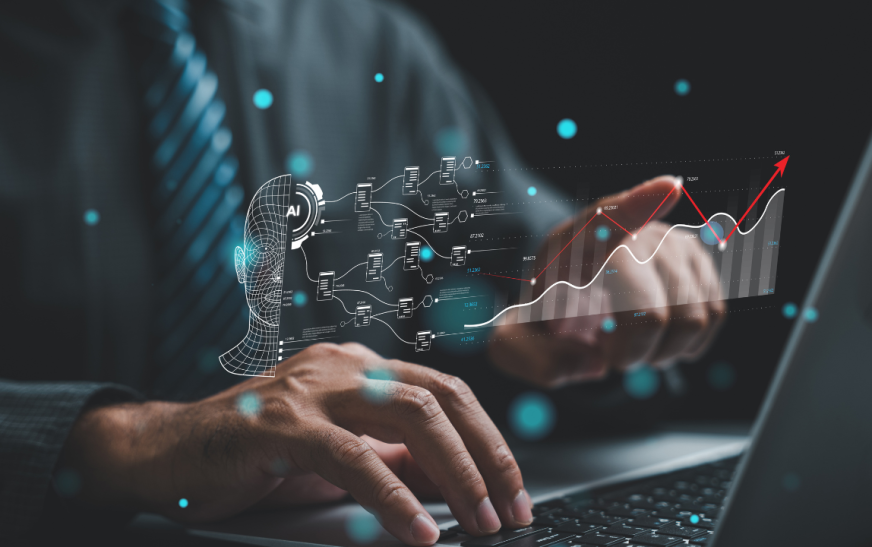
One of the most important drivers of recent U.S. economic strength is business investment in artificial intelligence and related technologies. Companies do not want to fall behind in what many view as a major productivity shift. That urgency is pushing firms to invest now, even while other parts of the economy face pressure.
AI investment can support growth through data centers, chips, cloud infrastructure, software, consulting, cybersecurity, automation tools, and power demand. This spending can lift business investment and create activity across multiple sectors.
That helps explain why the economy has remained stronger than expected. Consumer spending is not as powerful as usual, but business investment is helping fill part of the gap.
Still, AI investment also creates new questions. If investment is concentrated among a small number of large companies, the broader economic effect may be uneven. If productivity gains take longer to appear, markets could become disappointed. If AI spending increases demand for energy, land, chips, and construction capacity, it could even add to inflation pressure.
For now, however, AI-related investment remains a clear positive for economic momentum.
Consumer Spending Is Slower, but Not Broken
Consumer spending is normally the main engine of the U.S. economy. In the current environment, it is not as strong as business investment, but it remains stable enough to support growth.
Higher gas prices are a real burden. They reduce disposable income and can force households to cut back elsewhere. This is especially true for middle- and lower-income consumers, who spend a larger share of income on essentials such as fuel, rent, food, and utilities.
The report also notes that recent spending may have been supported by Trump tax cuts and larger-than-usual tax refunds. If those refunds have mostly been spent, households may have less cushion in the months ahead. That creates a potential risk for summer spending.
Still, low unemployment is keeping the consumer sector from sputtering. As long as people remain employed, spending may slow without collapsing. This distinction is important. A softer consumer does not automatically mean recession if the labor market remains stable and companies avoid layoffs.
For investors tracking economic growth, inflation, and spending trends, Finprozone latest market news offers regular coverage of the major forces shaping financial markets and the broader economy.
Oil Prices Remain the Biggest Near-Term Threat
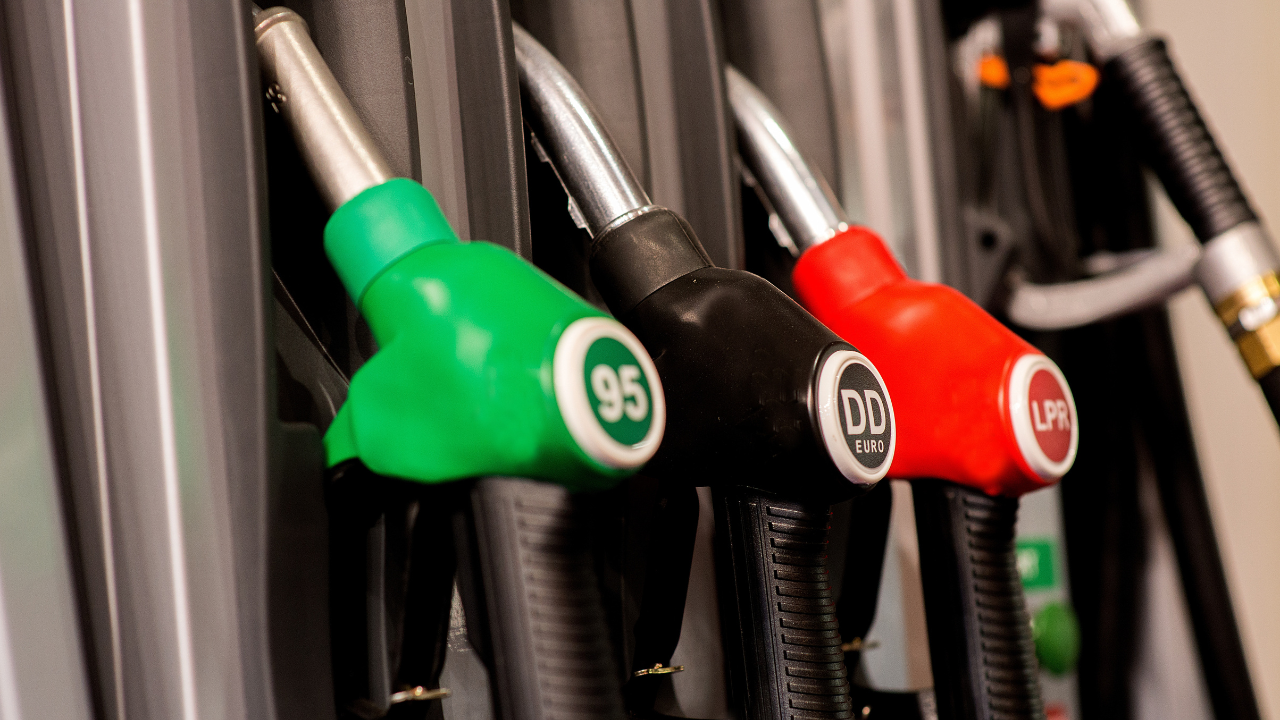
The main external risk to the U.S. market outlook is the oil-price shock tied to the Iran war. Higher oil prices can affect the economy quickly because energy is embedded in transportation, logistics, manufacturing, agriculture, and consumer spending.
When gasoline prices rise, households feel the impact almost immediately. Higher fuel costs can reduce discretionary spending and weaken confidence. Businesses also face higher transportation and production costs, which may either reduce margins or lead to higher prices for consumers.
This is why oil is not just a commodity story. It is an inflation story, a consumer story, and a monetary policy story.
So far, the economy has absorbed the oil shock better than many expected. But some analysts warn that the full impact has not yet moved through the system. Inflation may rise further over the summer, and falling inflation-adjusted wages could pressure household spending.
If oil prices remain elevated or rise further, the economy’s resilience will face a stronger test.
Inflation and Higher Rates Still Matter
Sticky inflation remains a central concern. Higher oil prices can keep headline inflation elevated, and if businesses pass through higher costs, inflation may become more persistent. That would make it harder for the Federal Reserve to cut interest rates.
Higher-for-longer rates affect the economy through borrowing costs. Consumers face higher rates on credit cards, auto loans, mortgages, and other debt. Businesses face higher financing costs for expansion, hiring, and investment. Real estate and rate-sensitive sectors may also remain under pressure.
The challenge is that the economy’s strength can itself keep rates higher. If hiring remains solid and GDP continues growing, the Fed may see less reason to ease policy. That can support confidence in the economy but also limit relief for borrowers.
This creates a mixed market environment. Strong growth supports earnings and employment. But high rates can pressure valuations, credit demand, and household finances. Investors need to track both sides rather than assuming resilience removes all risks.
Wall Street Rally Reflects Renewed Confidence
The source report notes that fresh optimism has appeared in the strong Wall Street rally after stocks initially tumbled following the outbreak of the Iran war. This suggests investors are reassessing the economy’s ability to withstand shocks.
Equity markets often respond positively when recession fears fade. If companies continue generating strong profits and the labor market remains stable, investors may be willing to look past inflation and oil risks. That appears to be part of the current market behavior.
However, the rally also raises the bar. If stocks price in continued resilience, any disappointment in jobs, earnings, inflation, or consumer spending could trigger volatility. Markets can tolerate bad news better when expectations are low. They become more sensitive when optimism is already reflected in prices.
That makes upcoming data especially important. Investors will want to see whether hiring remains solid, consumer spending holds up, inflation does not accelerate too sharply, and corporate margins remain strong.
Why “Unsinkable” Does Not Mean Risk-Free
The U.S. economy has repeatedly absorbed major shocks since the pandemic recession. It has dealt with inflation spikes, rate hikes, geopolitical stress, banking concerns, consumer pressure, and now the Iran war oil shock. That track record supports the argument that the economy is more durable than many pessimists expected.
But resilience should not be confused with immunity. An economy can keep growing while becoming more vulnerable underneath. If households spend down temporary tax-refund support, if real wages weaken, if oil prices stay high, or if hiring slows, the outlook could change quickly.
The strongest argument for continued expansion is the cycle between profits and employment. Companies are profitable, so they keep workers. Workers remain employed, so they keep spending. Spending supports corporate revenue, which protects profits. That cycle can continue as long as one side does not break.
The main risk is that inflation and energy costs squeeze consumers enough to reduce spending, eventually forcing companies to slow hiring. If that happens, the cycle could weaken.
What Investors Should Watch Next
Investors should watch several indicators to assess whether the U.S. economy can maintain momentum. The first is job growth. Hiring does not need to surge, but it must remain strong enough to keep unemployment low.
The second is consumer spending. If higher gas prices and fading tax-refund support begin to reduce spending, that could signal pressure ahead.
The third is corporate profit margins. Strong margins have helped companies absorb shocks. If margins narrow sharply, hiring and investment may become more vulnerable.
The fourth is inflation. If oil-driven inflation rises further, the Fed may keep rates high for longer, increasing pressure on borrowers.
The fifth is AI investment. If business spending on new technology remains strong, it may continue supporting growth even if consumers slow.
Together, these indicators will show whether the economy is truly in cruise control or simply delaying the impact of recent shocks.
Market Takeaway: Resilience Remains the Base Case
The current market outlook suggests the U.S. economy remains resilient despite serious headwinds. Higher oil prices, sticky inflation, and elevated rates have not stopped job creation or corporate profit growth. Business investment, especially in AI, is helping support expansion while low unemployment keeps consumer spending from weakening too sharply.
Still, the next phase is critical. The economy may be strong enough to keep growing, but the full impact of higher energy costs may not yet be visible. Middle- and lower-income households could feel more pressure over the summer, and hiring momentum may cool if businesses become more cautious.
For now, the resilience story remains intact. But investors should treat it as a trend that needs confirmation, not a permanent condition.
FAQ
Why is the U.S. economy still growing despite higher oil prices?
The U.S. economy is still growing because job creation remains solid, unemployment is low, and corporate profits are strong. Business investment, especially in artificial intelligence, is also supporting growth. Higher oil prices are a headwind, but they have not yet overwhelmed the labor market or business activity.
How does low unemployment support consumer spending?
Low unemployment gives households more income security. When people feel stable in their jobs, they are more likely to keep spending even if prices rise. This supports business sales, which helps companies maintain profits and avoid layoffs.
Why are corporate profits important for the market outlook?
Strong corporate profits help companies absorb higher costs from oil, tariffs, wages, and interest rates. When profit margins remain high, businesses can keep investing and hiring. That helps sustain economic growth and supports investor confidence.
What risks could weaken the U.S. economy later this year?
Key risks include higher gasoline prices, sticky inflation, weaker real wages, slower hiring, fading tax-refund support, and pressure from higher interest rates. If these forces combine, consumer spending could slow more sharply and challenge the current resilience narrative.
How should investors monitor the next economic signals?
Investors should watch jobs data, inflation reports, oil prices, corporate earnings, and consumer spending trends. For planning around major releases and policy events, use the economic calendar for upcoming market events to track the next catalysts.