A struggling airline moves back into the spotlight
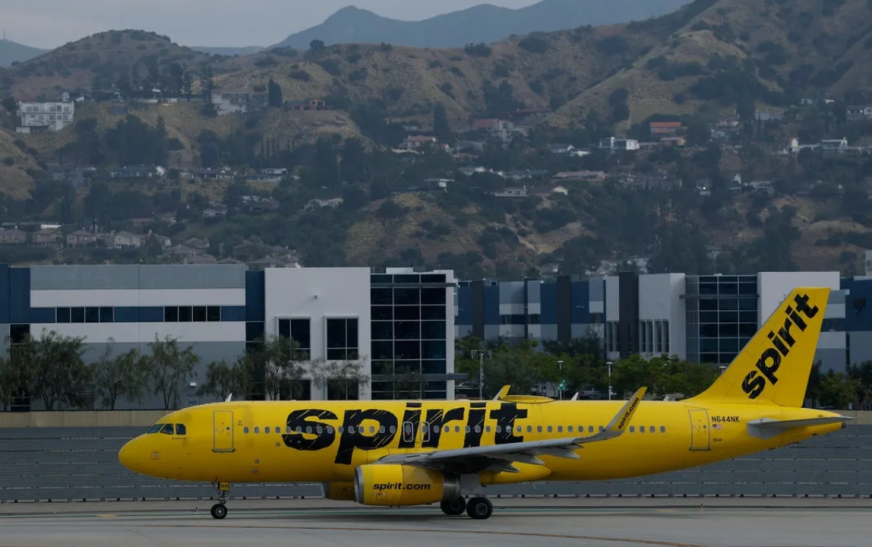
Spirit Airlines is once again at the center of a high-stakes rescue discussion, this time involving the Trump administration. As the low-cost carrier continues to struggle under bankruptcy pressure, rising fuel costs, and years of structural weakness in the discount airline model, Washington is now openly considering whether some form of federal support could help keep the company alive.
President Donald Trump said on Tuesday that he was concerned about the possible loss of 14,000 jobs if Spirit were to collapse. His comments made clear that the airline’s problems are no longer being viewed only as a private-sector corporate crisis. They are also being framed as a political and economic issue with potential consequences for employment, competition, and the broader airline industry.
“Spirit’s in trouble,” Trump said, before adding that perhaps the federal government should help. That statement, even if informal in tone, immediately raised the stakes around Spirit’s future and suggested that discussions between the administration and the airline have already moved beyond speculation.
Government aid is now part of the conversation
According to the report, the Trump administration and Spirit Airlines have been in talks about possible government assistance, including a potential U.S. government investment in the company. That is a significant development because direct federal involvement in support of a single airline is relatively rare outside moments of broad systemic crisis.
Trump also said he would like to see a buyer emerge for Spirit, although that effort has so far failed to produce a clear outcome. In other words, the administration appears to be looking at multiple options at once: encouraging a private-sector solution if possible while also reviewing whether government backing might be needed if no buyer appears.
Transportation Secretary Sean Duffy reinforced the seriousness of the matter by saying Trump had directed the Transportation Department to “take a look” at Spirit. Duffy’s comment suggests that the administration is not merely discussing the airline in abstract political terms. It is actively reviewing the company’s situation and considering what, if anything, could be done.
Spirit’s crisis did not begin this year
While the current discussions may feel urgent, Spirit’s problems have been building for a long time. The airline filed for bankruptcy protection in August, after an earlier bankruptcy filing in late 2024 failed to solve its deeper financial problems. That alone shows how persistent and difficult the company’s situation has become.
Spirit has spent years under pressure as the discount airline model became harder to sustain. One major reason is that larger rivals such as Delta Air Lines, United Airlines, and American Airlines increasingly adopted their own versions of low-cost basic economy fares. That made it more difficult for Spirit to compete on price alone.
At the same time, larger carriers still retained advantages Spirit could not easily match, including broader route networks, more premium offerings, stronger customer loyalty systems, and better access to business travelers. In effect, Spirit was squeezed from both sides: it lost some of its fare advantage while still lacking the scale and flexibility of legacy competitors.
The airline has already been trying to shrink and refocus
Spirit has not simply been standing still while its problems deepened. The Florida-based airline has been trying to reshape itself into a smaller, more focused company. It has been working to sell some aircraft and concentrate operations around core cities such as Orlando, Fort Lauderdale, and Detroit.
In February, the carrier reached an agreement with a group of creditors that would allow it to emerge from bankruptcy as a leaner airline with a stronger balance sheet and a reduced fleet size. That plan was designed to give Spirit a workable path forward, but it was built around assumptions that may already be under severe stress.
The company’s challenge is that even a carefully negotiated restructuring can quickly become unstable when outside conditions deteriorate sharply. And that is exactly what happened.
The war with Iran sharply worsened Spirit’s position
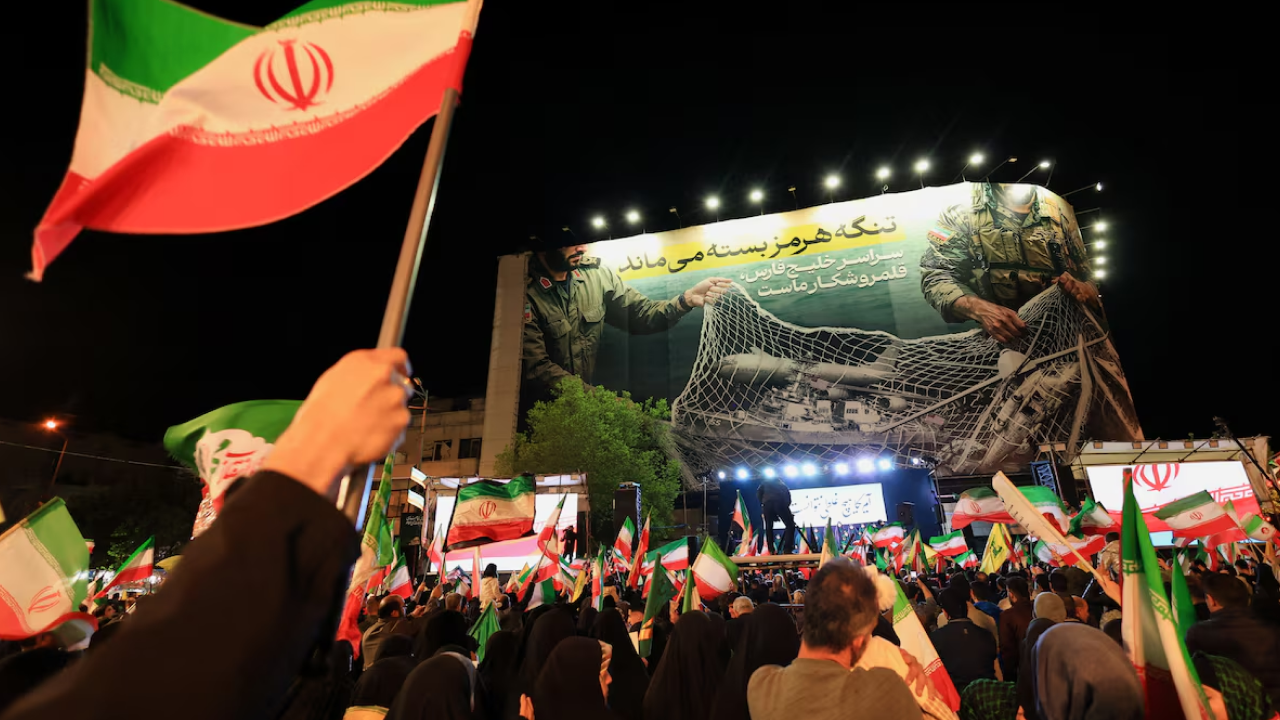
One of the biggest blows to Spirit’s recovery effort came from outside the airline industry itself: the U.S. and Israel’s war with Iran. That conflict caused jet-fuel prices to soar, with costs more than doubling over a matter of weeks.
For any airline, fuel is one of the most sensitive cost items. But for a carrier like Spirit, which operates on thinner margins and has less room to absorb major cost shocks, a fuel spike can become especially dangerous. According to analysts at JPMorgan, if jet-fuel prices remain elevated for the rest of the year, Spirit’s costs could rise by $360 million.
That figure matters because it highlights how quickly a fragile restructuring plan can become much harder to execute. A company that may have had a narrow path to survival in one fuel environment could face a dramatically different reality if energy prices stay high.
Cash remains limited relative to the risks
Spirit reported $704.9 million in cash at the end of February, just before jet-fuel prices began climbing, according to a court filing. On paper, that may sound like a meaningful amount of liquidity. But in the context of bankruptcy, a shrinking airline, and the possibility of sustained fuel inflation, the market clearly does not see it as a guaranteed safety cushion.
That concern has already surfaced among Spirit’s own lenders. The lenders backing the airline’s revolving credit line objected earlier this month to Spirit’s bankruptcy exit plan, saying it might not work if fuel prices remain high. This is a critical signal because it shows that skepticism is not coming only from outside analysts or industry commentators. It is coming from key financial stakeholders directly exposed to the company’s restructuring.
When lenders start questioning whether an exit plan is still viable under new market conditions, the pressure on management increases sharply. It also makes the possibility of outside intervention, including government involvement, seem less remote.
The failed JetBlue deal still hangs over Spirit
Another major reason Spirit remains in this weakened position is the collapse of its planned sale to JetBlue Airways. Two years ago, a federal judge blocked that proposed $3.8 billion transaction after the Justice Department challenged it on competition grounds.
The government argued at the time that removing Spirit from the market would hurt competition, especially for price-sensitive travelers, because it would eliminate the airline’s ultra-low-cost model and its role in pressuring fares downward. In that interpretation, Spirit’s survival as an independent company mattered to consumers.
That decision now casts a long shadow over the current moment. Spirit was prevented from being absorbed by a larger carrier in the name of preserving competition. But after that block, the airline continued to weaken. Now the same broader political system that once stopped a private rescue route is being forced to consider whether some form of public intervention may be needed instead.
That irony is likely to shape how this story is debated in Washington and in the airline industry.
Government help for one airline is highly unusual
The U.S. government has intervened in aviation before, but mostly during system-wide emergencies. During the Covid-19 pandemic, airlines received billions of dollars in government aid to keep workers employed and maintain operations during an extraordinary collapse in travel demand.
But helping one individual airline outside a broader industry-wide crisis is a very different matter. The government has generally tried to avoid directly rescuing a single carrier. That is one reason the Spirit discussions matter so much. If federal investment or targeted aid were to move forward, it would represent a more unusual form of intervention.
That does not mean such support is impossible. It simply means the political, legal, and strategic questions become more sensitive. Officials would likely have to justify not only why Spirit deserves help, but also what such help would mean for competitors, taxpayers, and future expectations across the industry.
Low-cost carriers are facing a broader industry challenge
Spirit’s situation is severe, but it is not completely isolated. Executives from several low-cost airlines are also expected to meet with Transportation Secretary Duffy to discuss the challenges facing the sector more broadly.
Among the issues they want to raise is a request for lawmakers to suspend the 7.5% federal excise tax on airline tickets and the $5.30 per segment tax. These requests suggest that low-cost carriers are not only dealing with company-specific weaknesses, but also with wider pressure across the budget airline model.
That broader context matters because it means Spirit’s crisis may be the most visible example of a deeper problem, not just an isolated failure of one management team or one balance sheet. If discount carriers are under structural pressure from fuel, taxes, competition, and consumer shifts, then Spirit’s problems may be extreme, but they are not entirely unique.
What happens next will matter beyond Spirit
The outcome of these discussions will matter well beyond one airline. If a buyer emerges, Spirit may still have a path to survival through a private restructuring or acquisition. If no buyer appears and the government decides to step in, that could reshape expectations about how Washington responds to future airline distress.
The administration will also have to balance multiple competing priorities. Preserving jobs is one. Maintaining competition is another. Avoiding taxpayer exposure to a risky investment is another. And all of this is happening while war-driven fuel prices continue to distort the economics of the airline sector.
For Spirit, the next phase is about survival. For policymakers, it is about deciding whether that survival is important enough to justify intervention.
Conclusion
Spirit Airlines is now in direct talks with the Trump administration over possible government support as it faces one of the most difficult periods in its history. Bankruptcy pressure, rising fuel costs, lender skepticism, and the long-term erosion of the ultra-low-cost carrier model have all combined to push the airline into a precarious position.
Trump’s public comments, Sean Duffy’s confirmation that the Transportation Department is reviewing the issue, and reports of a possible government investment all show that the situation has become politically serious. Spirit is no longer just fighting a corporate restructuring battle. It is becoming a test case for how far the U.S. government is willing to go to preserve jobs, maintain competition, and stabilize part of a fragile airline segment.
The immediate question is whether a buyer appears or some form of federal support takes shape. The larger question is what this crisis says about the future of low-cost aviation in the United States.